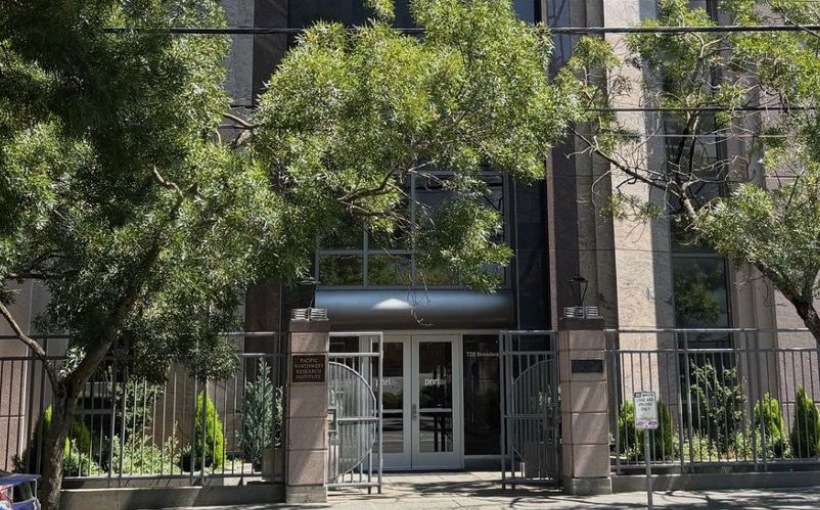
Pacific Northwest Research Institute (PNRI), a nonprofit biomedical research organization based in Seattle, has sold its longtime research headquarters in the city’s First Hill neighborhood as part of a broader effort to reinforce its balance sheet and sustain its scientific work. The institute described the move as a strategic step to strengthen its financial foundation while maintaining continuity for ongoing research programs.
As a component of the transaction, PNRI will lease back space in the same building, ensuring that its laboratory and office activities remain on-site following the change in ownership. The six-story property has served as PNRI’s primary research home since 1988 and includes laboratory facilities, office areas, and meeting space that support the institute’s biomedical research operations.
The building is located along the Broadway corridor in First Hill, an area identified as one of Seattle’s most active life sciences and medical districts. With PNRI retaining a portion of the premises through a lease, the remaining space in the property will be marketed to additional tenants, creating the opportunity for a multi-tenant research and office environment within an established healthcare-oriented cluster.
According to PNRI, the sale is intended to generate operating cash flow and provide greater financial flexibility to support and expand its research agenda. The organization framed the transaction as a way to redirect resources more directly into its mission rather than into long-term ownership of real estate, while still preserving physical proximity to the city’s broader life sciences ecosystem.
PNRI indicated that proceeds from the deal will allow the institute to focus more intensively on advancing discoveries in genetics and human health. Chief Executive Officer Mark Rieder, PhD, said the transaction improves the institute’s financial stability in the near term and creates room to plan for future initiatives, characterizing the sale and leaseback structure as a way to support both operational resilience and long-term research objectives.
The buyer, sale price, and specific lease terms were not disclosed, but the institute emphasized that its presence in the building and in the First Hill medical district will continue, even as the ownership structure of its headquarters shifts from owner-occupied to leased space.