Prologis has formally advanced its long-planned San Francisco Railyards mixed-use development by submitting an application to the San Francisco Planning Commission. With this step, the large-scale project enters the city’s formal environmental review process, a key stage in evaluating its potential impacts and benefits before any future approvals.
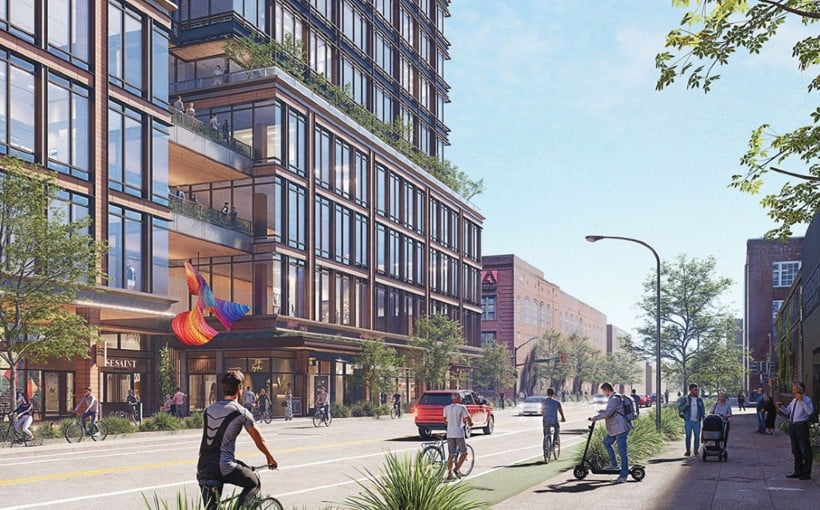
The proposal covers a 20-acre site located along Townsend and King streets, an area currently defined by rail infrastructure and transportation uses. Prologis’ plan envisions a long-term transformation of the site into a dense, mixed-use district that would add substantial residential and commercial space to the city over multiple development phases.
According to Prologis, the San Francisco Railyards project could ultimately accommodate up to eight million square feet of development at full buildout. The plan includes 2,500 apartments, positioning housing as a significant component of the program alongside other uses. The development would also feature an 850-foot tower that is planned to rise above a new Caltrain station located at the tower’s base, integrating regional rail service directly into the project.
Prologis has characterized the initiative as a long-term investment in the city. Company vice president Genevieve Cadwalader stated that the application reflects Prologis’ continued confidence in San Francisco and its intent to move the project forward. She noted that Prologis is collaborating with Caltrain and the City of San Francisco on what the company describes as an innovative public-private effort aimed at creating a new mixed-use district, improving mobility connections, and supporting employment opportunities.
The Railyards development is expected to be delivered in multiple stages over an extended timeline. Prologis indicates that the full buildout is anticipated to occur over a 15- to 20-year period, reflecting the project’s scale and the complexity of planning, approvals, and phased construction. Specific details on the sequencing of phases, commercial mix, and individual building programs have not been disclosed in the current materials.
As the project moves through environmental review and Planning Commission consideration, future steps would likely include additional public processes and further refinement of the development program. For now, the filing of the formal application marks a significant procedural milestone for one of San Francisco’s larger proposed mixed-use rail-adjacent redevelopments, setting the stage for a lengthy entitlement and buildout horizon.