**CAM Charges: What They Are and Why They Matter for Property Managers**
Property managers often bill tenants for various services, but one of the lesser-discussed expenses is common area maintenance (CAM) fees. These fees reflect the upkeep and management of shared spaces within commercial properties—an essential part of prioritizing tenant experience and preserving property value.
According to J.P. Morgan, CAM fees are a pivotal component in the effective management of commercial spaces such as mixed-use developments and neighborhood shopping centers. As Jake Bade, Head of Commercial Mortgage Lending at Chase, explains, these charges help ensure that shared areas are well-maintained while supporting consistent cash flow and operational efficiency for landlords.
**What Are CAM Fees?**
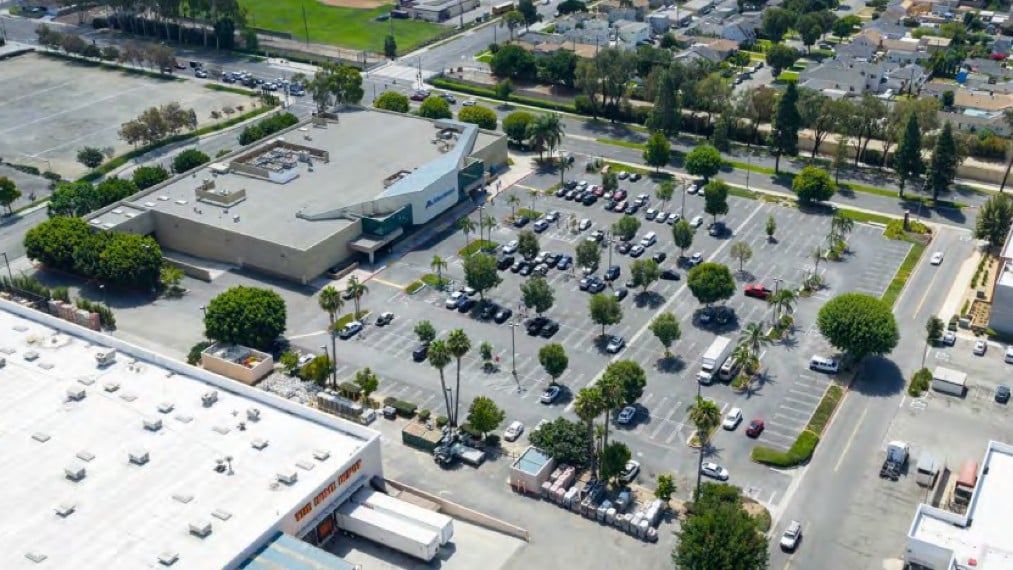
CAM fees cover the costs associated with maintaining shared spaces in commercial properties. While the exact nature and cost of services can differ by asset type, geography, and facility, most CAM fees typically include:
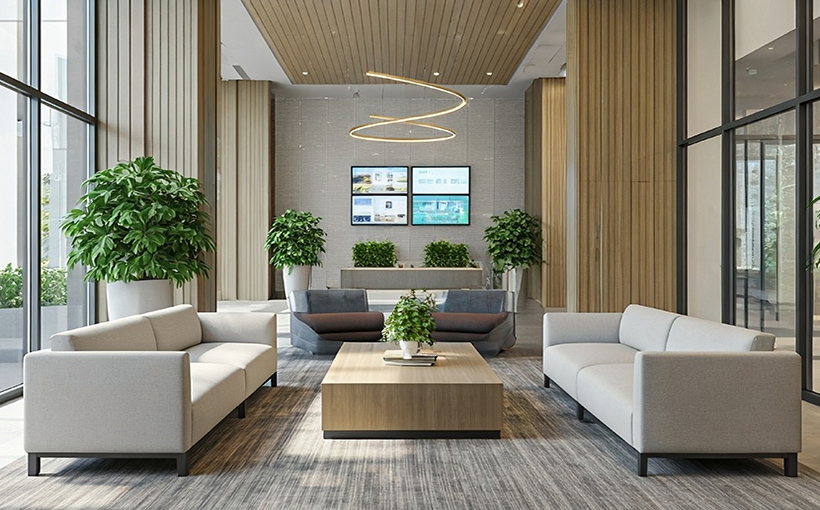
– Lobby lighting, electricity, and utilities
– Water supply for irrigation
– Landscaping
– Maintenance of parking lots, sidewalks, and driveways
– Janitorial services
Tenant contributions toward these expenses are often determined by their pro rata share—the percentage of the building’s total square footage they occupy. Typically, property managers estimate CAM costs at the start of each year as part of the building’s annual budget and distribute monthly charges based on those estimates.
However, CAM costs may not remain static throughout the year. Expenses can fluctuate due to unforeseen events—such as extreme weather or emergency repairs—and evolving market conditions. When actual costs deviate from forecasts, property managers reconcile accounts at the end of the year. Any overages are billed to tenants, while overpayments may result in credits.
**Best Practices for Managing CAM Charges**
To maintain trust and clarity with tenants, property managers should consider the following best practices:
– **Be Transparent:** Provide tenants with detailed annual statements that break down CAM charges by category, along with supporting documentation to verify the costs.
– **Ensure Ongoing Communication:** Maintain open communication with tenants, especially when CAM charges increase. Explain the reasons behind the changes to avoid confusion or disputes.
– **Perform Preventive Maintenance:** Conduct routine inspections of shared areas to ensure they remain operational and safe. This includes major systems like HVAC and roofing, as well as minor elements such as lighting, flooring, and signage.
Effective management of CAM fees not only upholds the physical quality of shared spaces but also strengthens relationships with tenants and enhances the overall value of the property. By investing time and resources into transparent, proactive CAM administration, property managers can support the long-term success of their commercial assets.