**Can the Current Energy Grid Support Increasing Data Center Demands?**
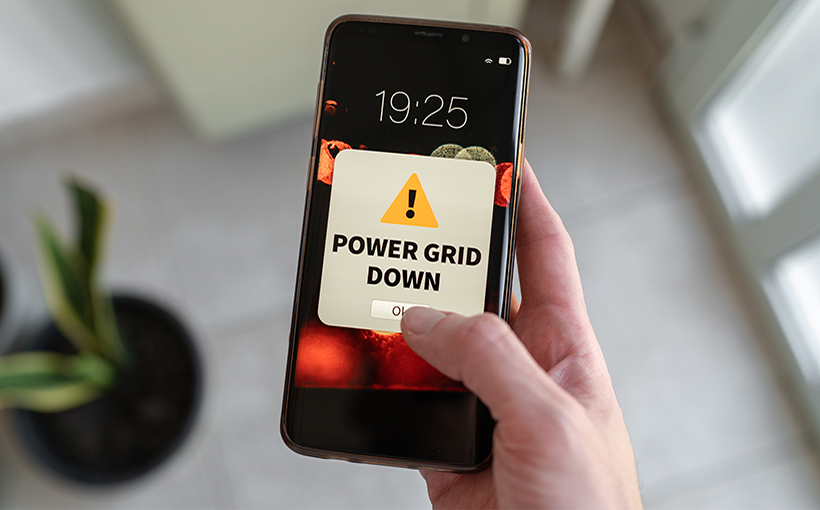
As artificial intelligence and cloud computing continue to expand rapidly, so does the demand for power and energy. While this surge in need isn’t new, it’s raising serious questions about whether local power grids are equipped to handle the load.
A recently released e-book by JLL, titled *Power Moves*, dives into the challenges posed by this power crunch and explores potential strategies to mitigate risk and build sustainable capacity for the future.
### Where We Are Now
The construction and demand for data centers are accelerating at an unprecedented pace. According to JLL’s research, more than 5.3 gigawatts (GW) of data center capacity are currently under construction—enough energy to power every household in the Chicago metro area. In a staggering projection, U.S. demand is expected to reach 62 GW by 2028.
The challenge: the U.S. power grid is already nearing full capacity. JLL notes that in the coming decade, energy consumption is expected to hover near maximum allowable output, which leaves minimal room for error or unexpected spikes in demand.
Utilities are making efforts to increase power supply, but current projections fall short of meeting upcoming demand levels.
### Potential Bridge Power Solutions
To bridge the gap between power supply and demand, JLL outlines several supplemental energy sources:
– **Natural Gas**: These turbines are reliable, versatile, and can be deployed in as little as three to six months, making them a viable short-term energy solution.
– **Battery Storage**: Batteries can store energy during periods of low demand and release it back into the grid during high-usage times. This is particularly useful for data centers that operate with consistent power loads.
– **Small Modular Nuclear Reactors (SMRs)**: Though not currently feasible due to development timelines and regulatory hurdles, SMRs could become commercially viable within five to ten years.
– **Solar and Wind Power**: These renewable sources enhance grid resilience and help offset peak demand loads with clean energy.
### Selecting the Right Data Center Location
According to JLL, a site’s power infrastructure is a critical factor in choosing a location for a data center. Key considerations include:
– **Grid Reliability**: Including protections against service disruption through redundant systems.
– **Access to Renewable Energy**: Reducing the environmental impact of operations.
– **Infrastructure Capacity**: Ensuring the local grid can support projected future demands.
– **Regulatory Environment**: Understanding the frameworks that govern access to grid power and back-up systems.
As data center demand continues to surge, a collaborative, forward-thinking approach to energy generation, storage, and grid infrastructure will be essential. With appropriate planning and strategic investments, the energy sector may be able to support the future of digital infrastructure.