**A New Angle on Multifamily Amenities: Sustainability in Focus**
Multifamily developers, owners, and operators are increasingly competing in what some are calling an “amenity war,” investing heavily in features like rooftop lounges, co-working spaces, bike repair stations, and dog runs to attract tenants and increase net operating income. While these amenities are designed to captivate potential renters, they often go underutilized once move-in day has passed.
However, sustainable energy amenities appear to offer more lasting value — both to tenants and building owners. Simon Herrmann, Senior Vice President at PearlX, recently shared his insights with ConnectCRE on how these energy-conscious features shape the future of multifamily living.
**What Are Sustainable Energy Amenities?**
According to Herrmann, sustainable energy amenities are features powered by clean energy solutions or designed to reduce overall energy consumption in a building. While “clean energy” may not sound like a typical amenity, these upgrades can significantly enhance the resident experience and deliver real value.
**Examples of Sustainable Energy Amenities**
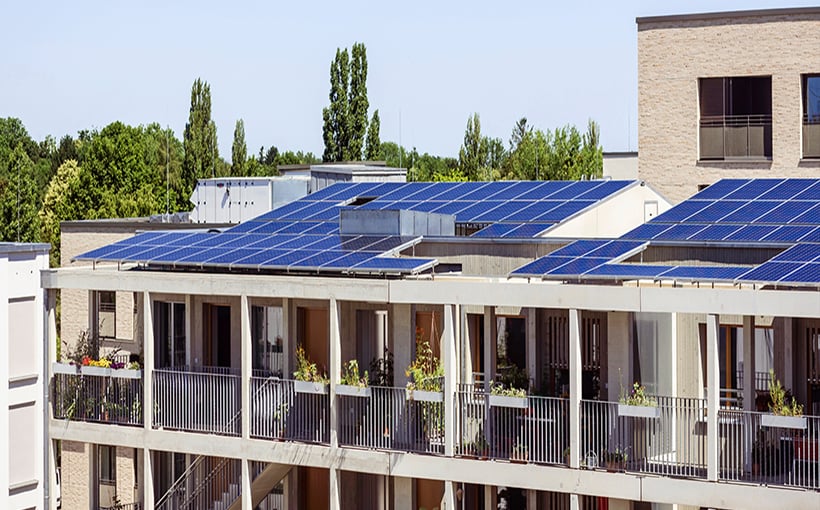
One of the most well-known sustainable energy solutions is solar power. This typically involves installing solar panels on rooftops or carports to provide cheaper and greener alternatives to conventional electricity sources.
Another fast-growing feature is the inclusion of electric vehicle (EV) charging stations, which encourage lower-emission transportation options.
Smart building technology — such as smart locks, energy-efficient lighting, and programmable thermostats — also qualifies as a sustainable amenity. Many multifamily operators are also replacing outdated HVAC systems with more efficient ones that can be integrated into a smart energy management platform, helping distribute optimal temperatures and cut utility waste.
In addition, more owners are investing in battery storage and clean-energy generators. These systems can reduce utility costs through peak demand management — drawing on stored energy during high-use periods — while also serving as backup power sources during outages, maintaining essential operations and minimizing potential loss.
**Benefits for Renters and Owners**
Sustainable amenities are proving to have a strong influence on leasing velocity, especially in competitive rental markets. A recent survey from MRI Real Estate Software found that two-thirds of renters view environmental and sustainable features as essential considerations when choosing where to live.
For today’s eco-conscious renters, particularly Millennials and Gen Z, sustainability translates into real value — and they’re willing to pay for it. Many are comfortable paying a premium of 10% or more for apartments with green features, which presents a compelling opportunity for multifamily owners.
From an operational standpoint, these amenities help prevent property obsolescence. By integrating cutting-edge technologies and renewable energy solutions, owners ensure their buildings comply with evolving state and local green building requirements — a critical step in future-proofing assets.
**Cost and Implementation Considerations**
Sustainable upgrades do come with costs, especially upfront. However, Herrmann points out that the right partnership can turn this challenge into an advantage. Companies like PearlX offer turnkey solutions, covering the cost of installing and maintaining solar infrastructure. In return, owners receive rental income for the rooftop or carport areas utilized for the panels.
This model allows building owners to deliver sustainability-driven perks to their tenants without substantial capital investment, turning typically idle rooftop space into a revenue-generating asset.
**The Takeaway**
As multifamily owners seek to balance resident satisfaction with revenue growth, Herrmann believes sustainable energy amenities offer a rare win-win scenario.
“Most multifamily owners are trying to balance client service with increased revenue and value,” Herrmann says. “Sometimes these factors are at odds with one another. But when it comes to sustainable energy solutions, owners, operators, developers, and tenants can really have it all.”
This story was originally published on ApartmentBuildings.com.