**Aging Baby Boomers and the Impact on Commercial Real Estate**
It’s no secret that the Baby Boomer generation—those born between 1946 and 1964—is aging rapidly. According to the U.S. Census Bureau:
– The population of Americans aged 65 and older grew by 3.1% between 2023 and 2024, reaching 61.2 million.
– This demographic now makes up 18.0% of the U.S. population, up from 12.4% in 2004.
This year, approximately 73 million Boomers are 65 or older, representing more than a fifth of the total U.S. population.
A recent research brief from Marcus & Millichap highlights how this demographic shift could significantly affect commercial real estate, especially in two primary areas: senior housing and medical office buildings (MOB).
**Increased Demand for Senior Housing**
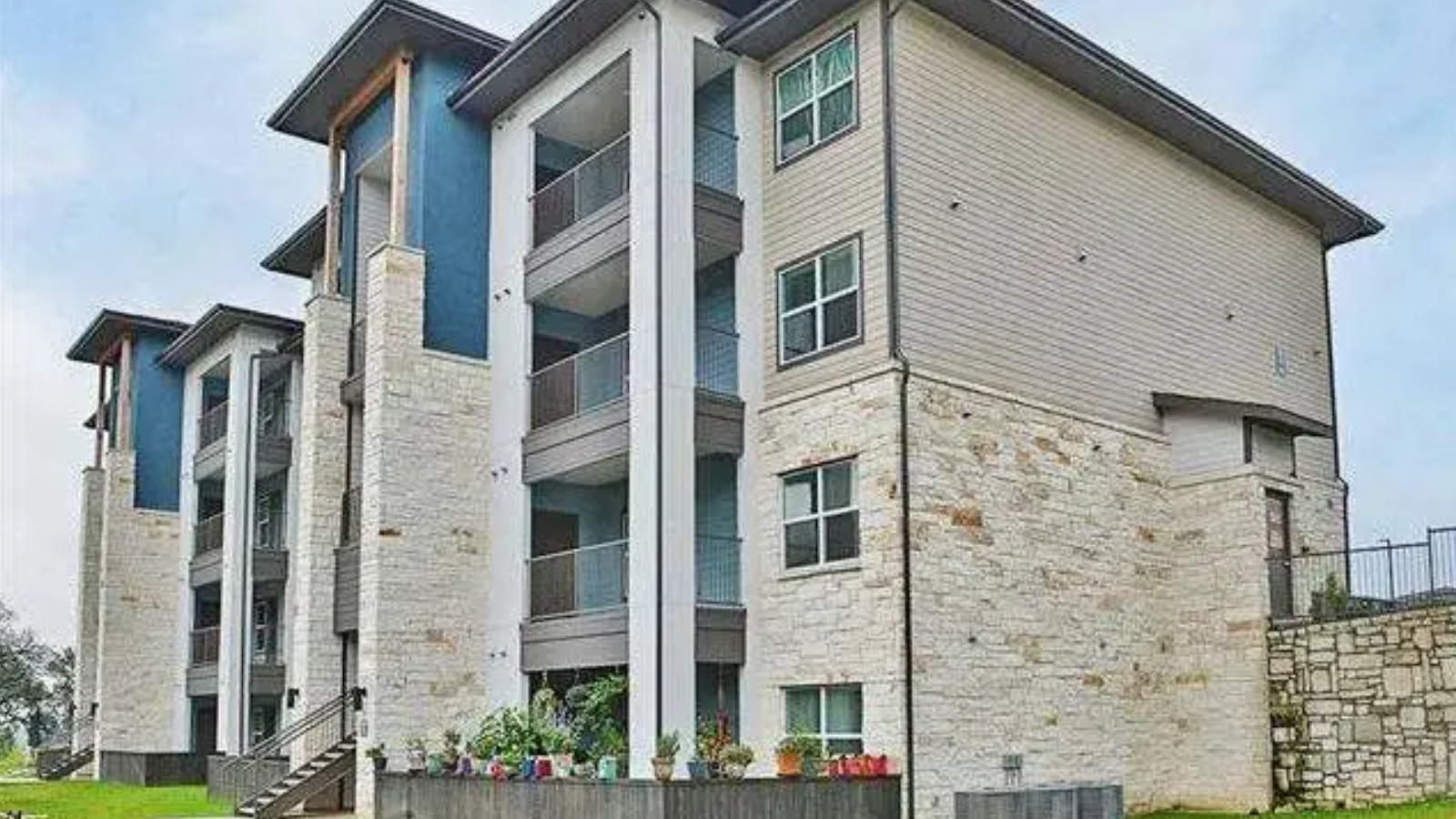
As more Americans enter their senior years, demand for various types of senior housing—including independent living, memory care, and continuing care properties—is expected to grow substantially.
NIC MAP, utilizing Census Bureau data, projects that the population aged 80 and older will increase by 3.4% to 14.7 million in 2024. By 2028, that figure could rise by 16.6%, and by 2030, by nearly 28%. By 2035, that number is anticipated to reach nearly 23 million—a surge of over 55% in just a decade.
To accommodate this growth, an estimated 600,000 new senior living units will be needed in the next five years. For comparison, during the peak development year of 2019, only 60,000 units were completed. This imbalance between supply and demand is expected to contribute to higher occupancy rates and rent increases. Labor shortages in the sector also pose a significant challenge.
**Rising Demand for Medical Office Buildings**
With a larger aging population comes a greater need for healthcare services. As a result, the demand for medical office space is also rising. The Marcus & Millichap report noted that this trend is decreasing vacancy rates and increasing rent growth in the sector.
In 2024, over 8.4 million square feet of medical office space was delivered, with the average vacancy rate sitting at 9%. However, the ongoing shortage of doctors and other healthcare professionals may make it difficult to meet the growing healthcare demand.
Reflecting this need, approximately one-third of all net job creation in the U.S. over the past year, as of August, was concentrated in the healthcare sector.
The aging of Baby Boomers is reshaping the landscape of commercial real estate, with lasting impacts anticipated in housing and healthcare infrastructure. Developers, investors, and municipalities will need to act swiftly to meet the growing needs of this demographic shift.