**A New Angle on Multifamily Amenities: Sustainability**
*Q&A with Simon Herrmann, SVP at PearlX*
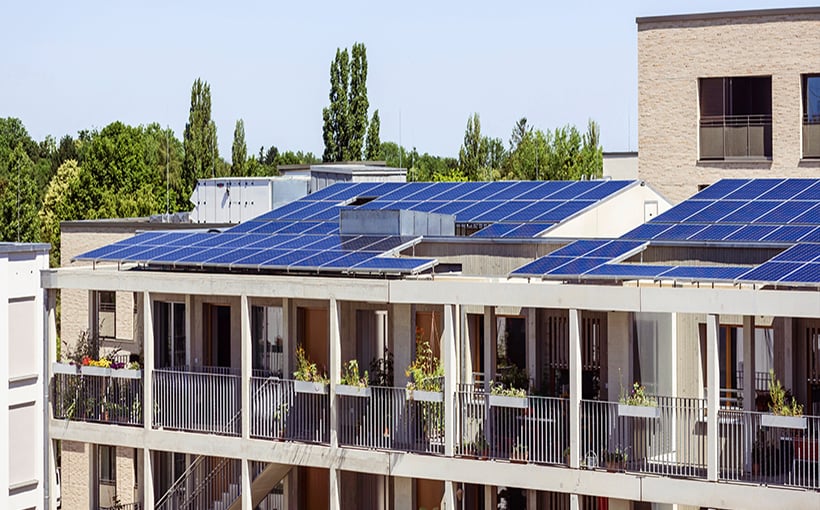
![Solar panels installed on a multifamily property rooftop]
![Simon Herrmann – Senior Vice President, PearlX]
*Simon Herrmann*
Multifamily developers, owners, and operators are increasingly locked in an amenities race, investing heavily in features like rooftop lounges, business centers, bicycle maintenance stations, and dog parks to attract tenants and enhance net operating income.
Though these amenities appear popular in concept, Simon Herrmann, Senior Vice President at PearlX, argues they are often underutilized in practice. In contrast, he highlights how sustainable energy amenities are proving to generate real value for both tenants and building operators. Herrmann recently spoke with Connect CRE about this emerging trend.
—
**Q: What are sustainable energy amenities?**
**A:** A sustainable energy amenity refers to any feature that either uses clean energy or contributes to lowering overall energy consumption. While it’s not typically categorized as an amenity, clean energy offerings significantly enhance the resident experience by delivering meaningful environmental and financial value.
—
**Q: What are some examples of sustainable energy amenities?**
**A:** Solar infrastructure is among the most common. Rooftop or carport-mounted solar panels offer a cost-effective and environmentally friendly alternative to traditional energy sources. Another fast-growing feature is electric vehicle (EV) charging stations, supporting the growing shift to EV use.
![EV Charging Station]
Smart building technologies also fall under this category, including smart locks, lighting, and programmable thermostats. Additionally, many owner-operators are replacing outdated, energy-guzzling HVAC systems with high-efficiency alternatives that can be integrated with smart tech, allowing better temperature control across units.
Investments are also increasing in clean energy storage devices like batteries and generators. These systems can store energy for use during peak demand or serve as backup power during outages, ensuring operational continuity and reducing utility costs.
—
**Q: What are some benefits of these features?**
**A:** Sustainable amenities can significantly affect leasing velocity, particularly in balanced markets. A survey by MRI Real Estate Software found that two-thirds of renters consider sustainability features essential in their housing choices.
Tenants, especially those from Gen Z and Millennial demographics, are willing to pay more—often a 10% or greater “green premium”—for environmentally friendly living spaces. This provides a substantial competitive edge to property owners during periods of tenant competition.
![Smart Lock for apartment access]
From an ownership standpoint, investing in sustainable infrastructure future-proofs properties by aligning them with the latest technology and environmental regulations, reducing the risk of obsolescence.
—
**Q: How costly is implementation and maintenance?**
**A:** Sustainable amenities do require significant upfront investment. However, partnerships can offset these costs. For example, PearlX installs solar infrastructure at no upfront cost to property owners, handling installation and ongoing maintenance. In return, PearlX pays rent for the rooftop or carport space used for solar panels.
This model allows owner-operators to offer a high-value amenity without bearing financial burden, while also introducing a new revenue stream from the property.
—
**Q: What else can you say about sustainable amenities?**
**A:** Multifamily owners often face a balancing act between enhancing tenant experiences and improving bottom lines. With sustainable energy solutions, the two priorities can be harmonized—benefiting residents, developers, owners, and the environment.
—
*This article was originally published on ApartmentBuildings.com*