**Rural America: A Hidden Economic Secret**

Collectively, rural communities in the United States contribute a staggering $2.2 trillion to the nation’s GDP. Despite this, rural America is frequently portrayed as economically marginal. Recognizing this misconception, the McKinsey Institute for Economic Mobility conducted an in-depth study to spotlight the “massive opportunities” within rural regions and smaller towns that continue to drive the national economy in powerful, yet often underappreciated, ways.
### What Exactly Is Rural America?

Commonly referred to by terms such as “flyover country” or “small-town America,” rural regions are far more complex and diverse than these labels suggest. The McKinsey study emphasizes that rural America encompasses a wide range of geographies, economic structures, and cultural identities. According to the report, rural areas are “large, diverse, dynamic, and full of opportunity.”
Through comprehensive cluster analysis, McKinsey researchers established six archetypes that define the varied economic landscapes of rural America:
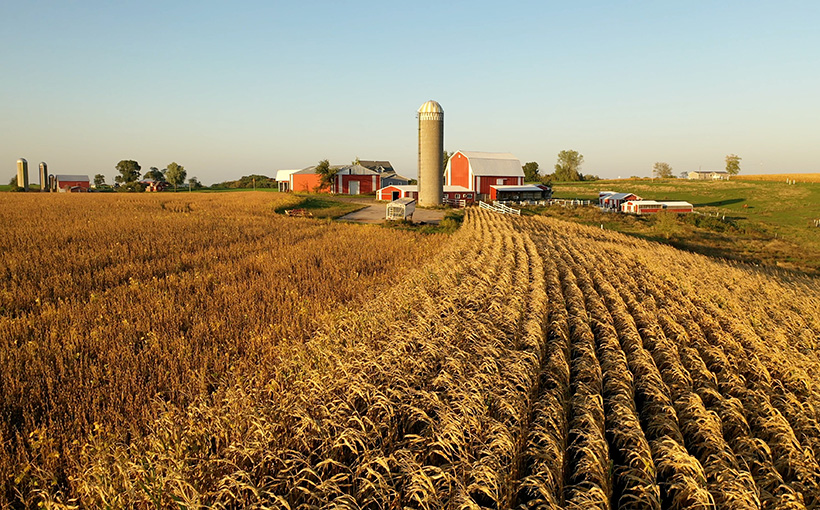
– **Agricultural Powerhouses**: Communities with a strong focus on agriculture and steady economic growth.
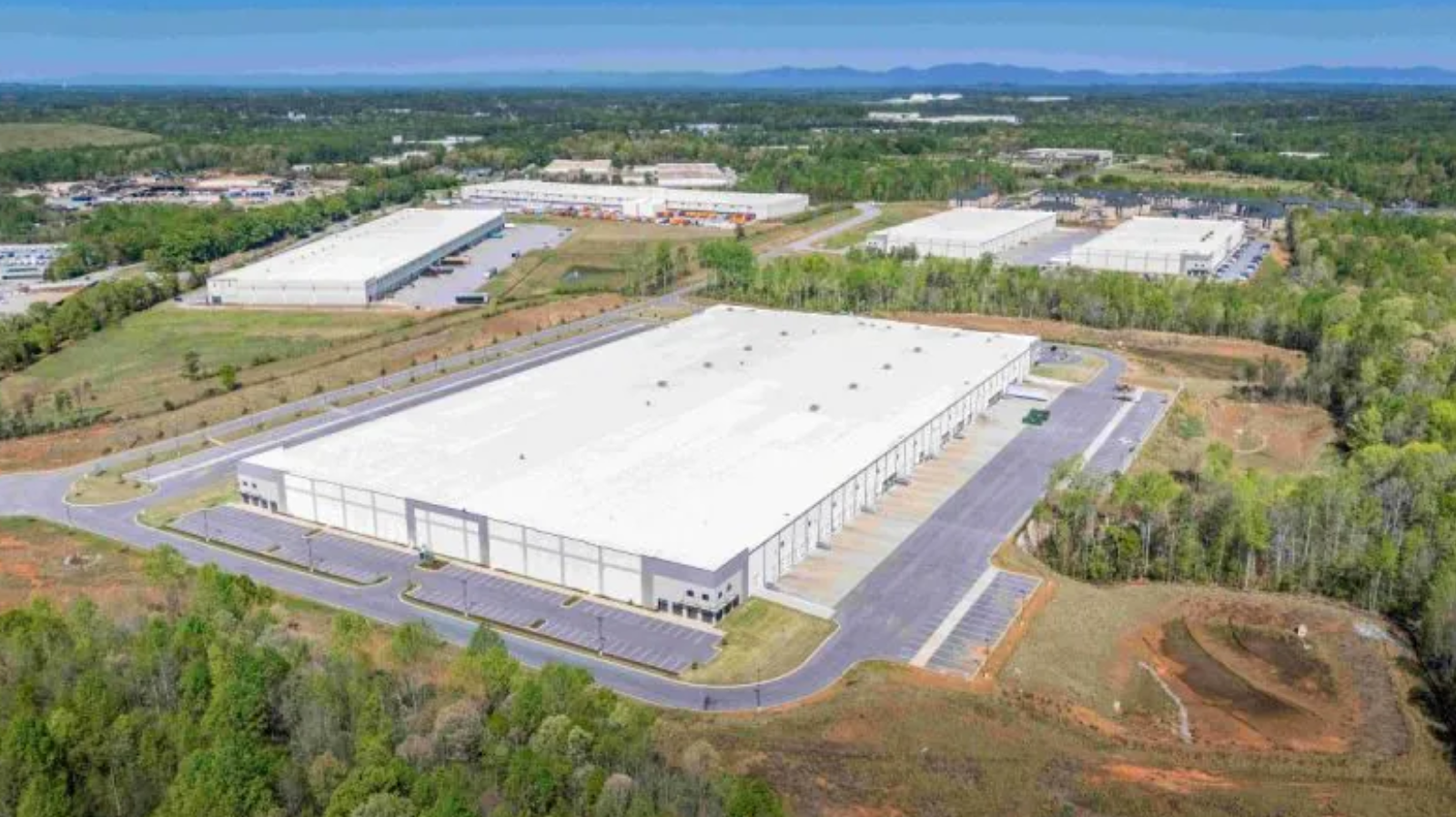
– **Manufacturing Workshops**: Areas with robust labor participation and low unemployment. These are categorized into two subsets:
– *Deindustrializing counties*, primarily in the Rust Belt.
– *Re-shoring counties*, located mainly in the Southern U.S.
– **Migration Magnets**: Exurbs adjacent to metropolitan areas or near popular tourism destinations, often experiencing population inflows.
– **Remote Regions**: Smaller, geographically isolated communities with limited industrial specialization.
– **Resource-Rich Regions**: Locations where economic strength is tied to natural resource extraction, including mining, quarrying, oil, and gas.
– **Middle America**: Mid-to-large communities lacking a singular economic identity but showing strong overall economic performance.
### Recommended Economic Strategies

To stimulate continued prosperity and economic mobility, McKinsey’s researchers suggest a series of strategic initiatives aimed at unlocking the full potential of rural America:
– forge partnerships to support entrepreneurs and accelerate the growth of specialized and high-potential industries.
– invest in anchor institutions such as universities and hospitals to catalyze local economic development.
– enhance postsecondary education readiness to close learning gaps and prepare students for careers across sectors including IT and healthcare.
– implement focused workforce training programs aligned with current and future labor market demands in fields such as agriculture, mining, and manufacturing.
– expand healthcare access to promote the physical and emotional well-being of rural residents.
– launch and sustain place-based “cradle-to-career” programs to support holistic community development.
Ultimately, the report concludes that rural America plays a vital role in the nation’s economic fabric and holds enormous untapped potential. By implementing these strategies, communities across rural America can foster prosperity, improve quality of life, and solidify their place as key contributors to long-term national growth.