Large, tiered lecture halls have long been a defining feature of higher education, but new thinking on learning and space utilization is challenging their role on campus. Referencing a recent JLL article, universities are reassessing whether fixed seating, one-way presentations and rigid room formats still serve students effectively in an era of collaborative and personalized learning.
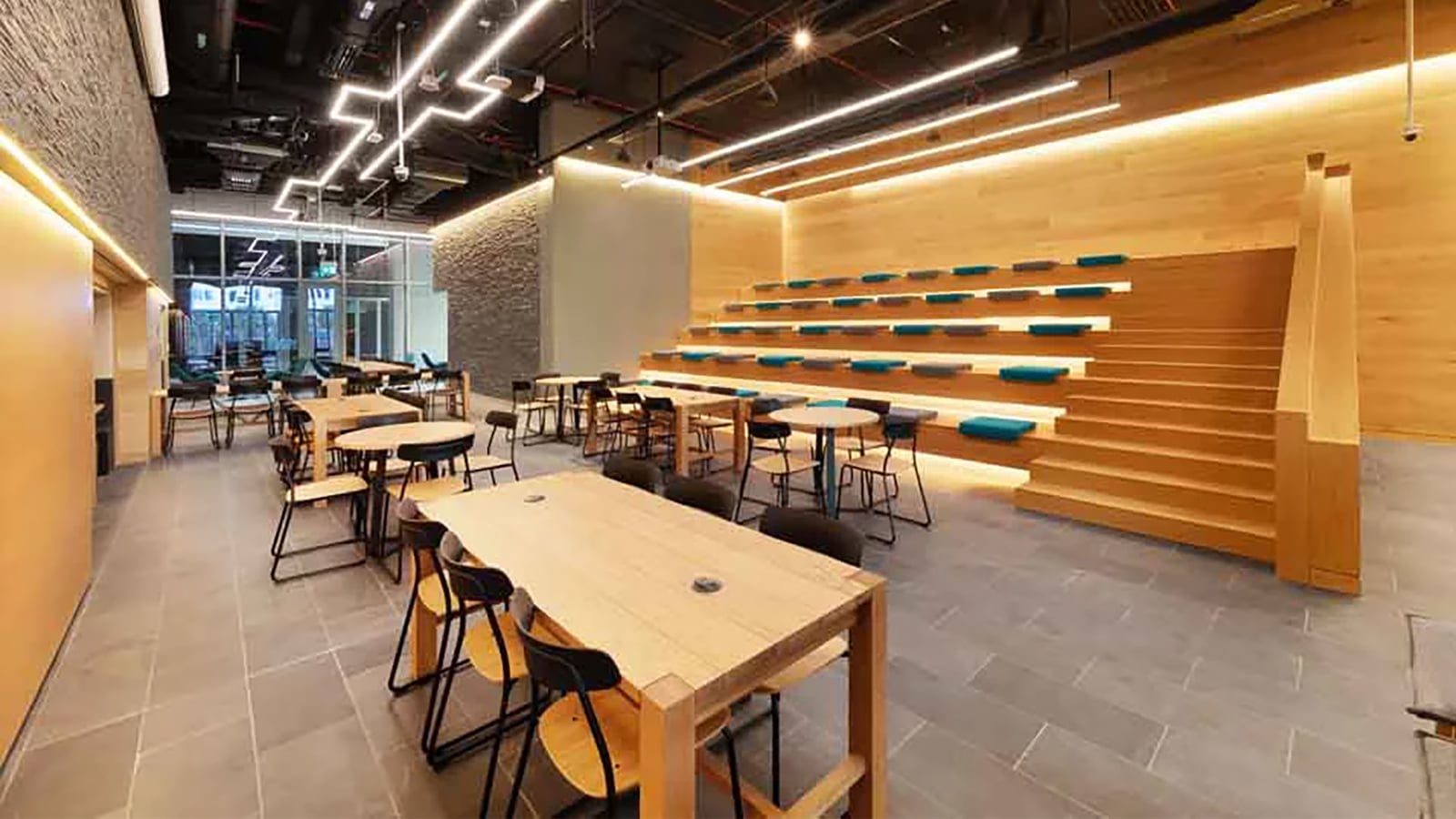
JLL notes that institutions are increasingly finding that traditional lecture-heavy environments do not align with modern learning styles. Converting thousands of square feet from static amphitheater-style rooms into multipurpose spaces is emerging as a key strategy, echoing shifts already seen in contemporary workplaces.
The evolution of offices away from “cube farms” offers a template. As JLL describes, many workplaces are now designed to let people select from a spectrum of settings, from focused individual areas to collaborative team zones and presentation environments. Applying this model to higher education means reimagining academic interiors as flexible ecosystems rather than single-use rooms.
In the JLL article, Sally Edelsten, director of design and asset experience at PDS Advisory, JLL, observes that universities replacing traditional lecture halls with multi-functional environments are likely to see deeper campus engagement. These areas can be used continuously throughout the day instead of only during scheduled lecture times, increasing overall utilization and making better use of existing real estate.
JLL also connects these spatial changes directly to academic performance. The firm highlights the concept of “active learning commons” where students naturally gather between formal sessions, supporting a range of teaching approaches and learning preferences. This becomes particularly important as research indicates that a significant share of the global population is neurodivergent, including people with autism spectrum conditions, attention-deficit disorders, dyslexia and dyspraxia.
For these students, environments that offer quiet zones, reduced sensory stimulation and clear navigation can be more effective than traditional lecture settings. JLL argues that neuro-inclusive design does not require abandoning large group instruction altogether; instead, it calls for spaces that can support lectures when needed but can also be reconfigured for seminars, group work or individual study.
To support this transition, the JLL article outlines several design principles drawn from workplace strategy. These include offering varied space types for focus, collaboration and presentation; turning hallways into active transition zones that encourage informal interaction; and embedding neurodiversity principles through adjustable lighting, diverse acoustic conditions, clear wayfinding and multiple seating options.
The guidance also emphasizes flexible reconfiguration, such as integrating technology and movable partitions so that large rooms can shift between different uses over the course of a day. Finally, JLL underscores the importance of balancing individual autonomy with opportunities for connection, creating interiors that respect personal work preferences while still encouraging collaboration.
Together, these recommendations illustrate how university real estate is being reassessed through a lens that has already reshaped modern offices, with an emphasis on flexibility, inclusivity and more productive use of campus space.