**Data, Economics, and Commercial Real Estate: Key Insights from Q3 2025**
The U.S. economy showed notable growth in the third quarter of 2025, with Gross Domestic Product (GDP) expanding by 4.3%. This growth was largely fueled by stronger consumer spending — especially on nondurable goods and services — increased government outlays, and a rise in net exports. In addition, personal income rose by 0.4%. However, trade declined significantly, with International Trade in Goods and Services and Q2’s International Transactions falling by $52.8 billion and $251.3 billion, respectively.
According to Marcus & Millichap’s “Gross Domestic Product” research brief, the upward momentum in GDP was driven by robust domestic demand and export activity. However, this data predates the federal government shutdown, which lasted from October 1 to November 12, and resulted in reporting delays and weakened economic momentum heading into the final quarter of the year.
The brief suggests that Q3’s performance will not carry over into Q4, citing the impacts of the shutdown and a slight dip in private domestic investment. Overall, Marcus & Millichap forecast GDP growth at approximately 2% for calendar year 2025.
**Labor Market and Inflation Trends**
Labor market trends are sending mixed signals. Marcus & Millichap’s December “Economic Update” notes that payroll growth in the private sector remained modest in October and November. Meanwhile, government employment declined, in part due to previously enacted layoffs becoming effective as severance periods expired.
On the inflation front, November’s core Consumer Price Index (CPI) rose by 2.6% year-over-year. While this was a relatively positive development, experts warn that data gaps from the government shutdown could mean that inflation was underestimated. The Marcus & Millichap brief indicated that if inflation increases again amidst subdued hiring, household finances could come under stress, although lower borrowing costs and fiscal stimulus may help stabilize overall consumer activity.
**Impact on Commercial Real Estate Sectors**
Here’s how current economic conditions are affecting the four primary segments of commercial real estate:
**Multifamily: A Mixed Bag**
High barriers to homeownership—exacerbated by low housing supply—are keeping more households in the rental market. This has resulted in lower vacancy rates, further reinforced by a slowdown in new deliveries, with 2025 marking the lowest completion total in three years.
That said, the segment is showing signs of bifurcation. According to Marcus & Millichap’s “Economic Brief,” usage of concessions in Class C apartment units reached nearly record levels in November, with about 20% of these units now offering rental incentives—well above the rate seen in higher-quality properties.
**Retail: Positioned for Possible Spending Decline**
Despite economic headwinds, retail vacancies remain low. This resilience persists even after more than 13 million square feet of retail space was relinquished earlier in the year, thanks largely to reduced construction and backfilling of existing spaces.
However, future retail expansion faces uncertainty. Disposable personal income remained flat in Q3, despite an increase in total savings. This stalling in income, coupled with ongoing concerns around consumer confidence and trade policy, could curb future consumer spending at stores and restaurants.
**Office: Building Momentum**
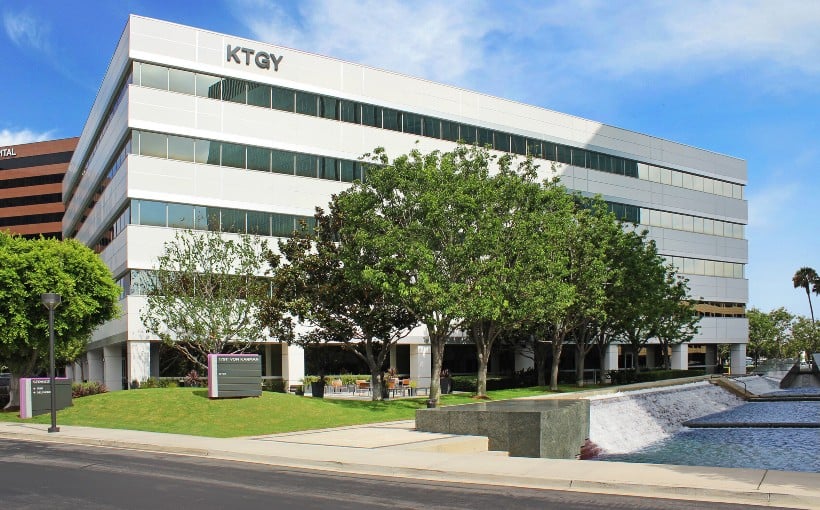
The office sector is seeing renewed momentum due to a reduction in new construction and growing tenant demand. Amenity-rich, Class A buildings in major metros are especially popular, alongside increasing interest in newer, smaller suburban office spaces.
Looking ahead, a leaner construction pipeline for 2026 may reduce availability of modern office stock, potentially pushing some tenants toward updated older buildings.
**Industrial: Ongoing Supply Pressure**
Industrial space continues to perform well, although new supply is pressuring vacancy rates upward. Deliveries have surpassed the long-term average for nine consecutive years.
Still, much of the new supply is concentrated in ten major markets, helping a third of large metros maintain third-quarter vacancy rates below the national average.
As the U.S. navigates post-shutdown volatility, the outlook for commercial real estate remains tightly linked to broader economic indicators, including inflation, employment, and consumer confidence. Each sector faces distinct challenges and opportunities as these macro trends unfold.