**CAM Charges: What They Are and Why They’re Important**
Property managers frequently bill tenants for a variety of services, but one of the most essential—and often overlooked—is the common area maintenance (CAM) fee. According to J.P. Morgan, shared building spaces not only reflect a property’s aesthetic and functionality but also show that tenants’ needs are prioritized. Properly maintained common areas are a vital component of effective commercial property management.
“Common area maintenance fees play a crucial role in managing the shared spaces of neighborhood shopping centers, mixed-use developments, and other commercial properties,” said Jake Bade, Head of Commercial Mortgage Lending at Chase.
Beyond maintaining physical spaces, accurate CAM management helps ensure steady cash flow, improves operational efficiencies, and can strengthen tenant relationships.
**Understanding CAM Fees**
CAM fees cover the costs associated with maintaining common shared spaces in a commercial property. These fees vary depending on the property’s type, location, and specific needs, but they typically include expenses such as:
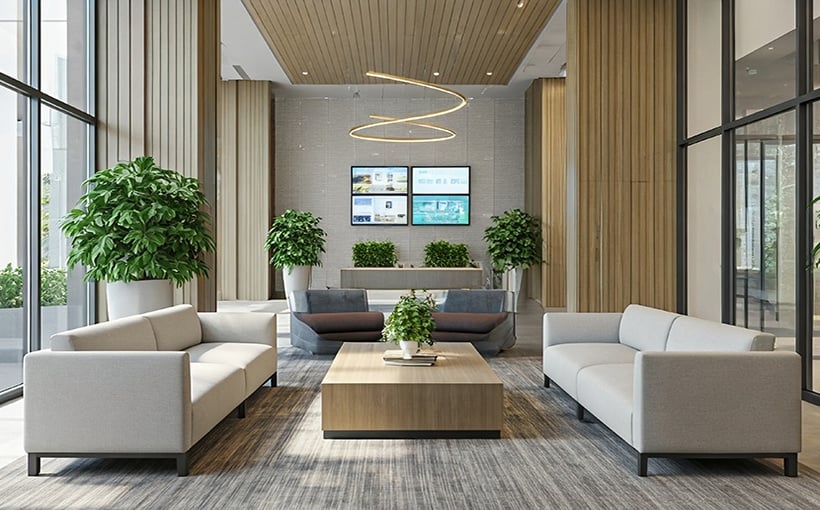
– Lobby lighting, electricity, and utilities
– Water for irrigation
– Landscaping
– Parking lot, sidewalk, and driveway maintenance
– Janitorial services
Tenants’ CAM charges are generally calculated based on their pro rata share—the percentage of the building’s square footage they occupy. In most commercial leases, property managers estimate annual CAM costs at the start of each year and then bill tenants monthly based on those projections.
However, CAM fees are not fixed. Unexpected events—such as extreme weather, emergency repairs, or changing market conditions—can impact actual expenditures. At the end of each year, property managers reconcile estimates with actual costs. If tenants have overpaid, they may receive a credit. If costs exceed estimates, tenants are billed for the difference.
**Best Practices in Managing CAM Charges**
To ensure accuracy and foster transparency, it’s important for property managers to:
– **Be Transparent:** Provide tenants with clear and detailed annual CAM statements. These statements should categorize expenses and include supporting documents for verification.
– **Maintain Open Communication:** Proactively inform tenants of any changes—especially increases—in CAM fees. Be prepared to explain the reasons behind rising costs.
– **Conduct Preventative Maintenance:** Regularly inspect shared areas to prevent expensive repairs. Maintenance should cover both major systems (e.g., HVAC and roofing) and smaller features (e.g., flooring, signage, and lighting).
Efficient and transparent CAM management not only supports the upkeep of shared commercial spaces but also enhances trust and collaboration between property managers and tenants.