**The Realities Behind the 2025 Multifamily Rent Growth**
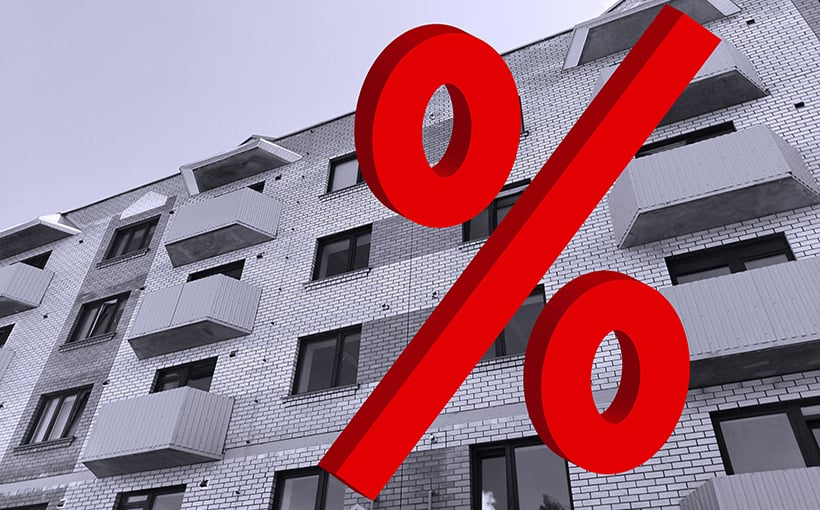
At the close of 2025, data from commercial real estate and analytics firms signaled a near standstill in apartment rent growth. Reports varied slightly, with Cushman & Wakefield indicating a year-over-year increase of 1.1%, RealPage reporting 0.6%, and Yardi Matrix showing no growth at all—deeming it “the weakest showing in five years.”
Despite the flat results, industry experts saw the trend as a predictable slowdown rather than a red flag. Dwight Dunton, founder, CEO, and CIO of Bonaventure, explained, “Broadly speaking, rent growth in 2025 was slower than in the immediate post-COVID years. That shouldn’t surprise anyone, as we were coming off an unsurprisingly strong run.”
### A Natural Normalization
Following the pandemic, especially between 2022 and 2024, apartment rents saw historic surges due to limited homeownership affordability and a shift towards suburban living. The demand jump-started an unprecedented wave of multifamily development.
That breakneck rent growth, however, proved unsustainable over the long term. Laura Khouri, President and COO of Western National Property Management, described 2025 as a “normalization phase after several years in which rent gains ran ahead of long-term trends.”
Echoing that outlook, David Fletcher, Managing Director and Head of Acquisitions at Excelsa Holding, added: “Rent growth in 2025 reflected a period of measured improvement, following the subdued performance of the previous two years. While increases were modest on a national basis, the sector avoided the deeper corrections some analysts expected.”
### Geography Matters
Rent performance in 2025 varied widely depending on location. Brian Connolly, founder and CEO of Feasibly, noted that while many markets experienced flat or even slightly declining rents, the trends were localized. “It’s not a uniform market story. There are submarkets where demand conditions were strong and others that faced oversupply,” he explained.
Khouri emphasized that markets with strong job growth and moderate new supply performed well. Conversely, areas still absorbing a surge in new units, particularly in the Sun Belt and Mountain regions, relied heavily on concessions to maintain occupancy.
Karlin Conklin, President and COO of Investors Management Group, described 2025 as “a year of protecting occupancy,” not one for winning higher rents.
### Looking Ahead to 2026
Looking forward, experts expect the theme of normalization to continue into 2026. Yardi Matrix projects the delivery of 450,000 new units, while RealPage suggests that number may be closer to 300,000. Though lower than the past few years, these projections don’t automatically translate into higher rent growth.
Connolly predicts stabilization and a slight acceleration in rents in the latter half of the year as occupancy levels improve. “We anticipate stabilization, followed by modest acceleration toward the long-term historical average,” he said.
As new supply slows, Conklin believes that concessions will begin to fade and operators could realize modest rent increases. Khouri concurs, adding that “many markets should see improving fundamentals, especially where job growth remains solid and household formation recovers.”
Dunton expects 2026 rent trends to resemble those of 2025 but warns that results will remain highly regional. “Soft, oversupplied markets will continue to struggle until inventory is absorbed. Strong, supply-disciplined markets should continue to outperform,” he said.
Overall, while 2025 lacked the dazzle of previous years, it represented a healthy shift toward a more sustainable rental market trajectory.
*Laura Khouri, Dwight Dunton, Brian Connolly, Karlin Conklin, and David Fletcher contributed their insights to this analysis.*
*An earlier version of this story appeared on ApartmentBuildings.com.*