The Trepp CMBS Special Servicing Rate posted a modest improvement in February, moving down 18 basis points to 10.73%. The overall decline was driven primarily by the resolution of distress in select office and mixed-use loans, even as new stress emerged in the retail sector. Seven office loans and three mixed-use loans transferred out of special servicing during the month, easing pressure in those categories and contributing to the headline rate decrease.
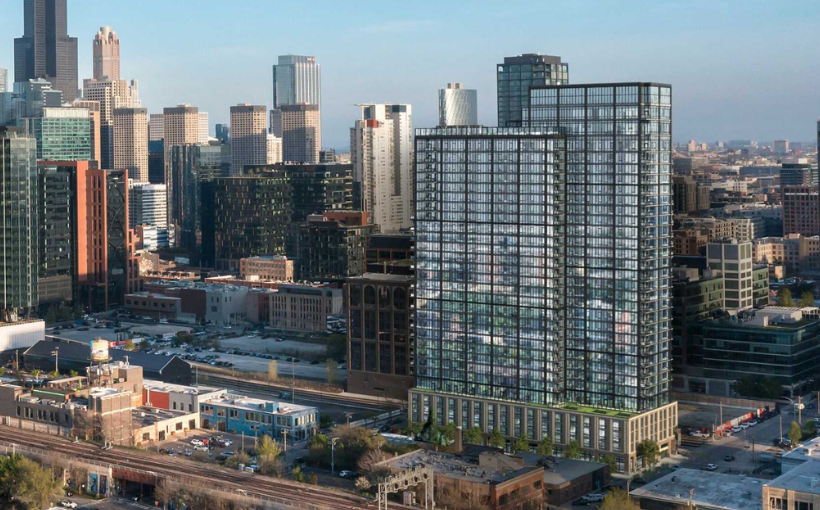
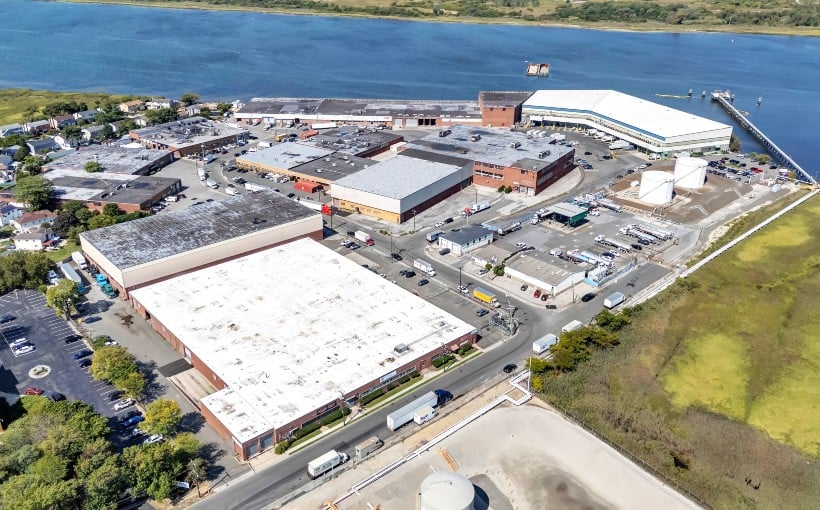
Performance by property type was uneven. The mixed-use special servicing rate fell 118 basis points to 12.49%, reflecting progress on a portion of loans previously transferred into workout. Office also recorded a notable decline, with its special servicing rate dropping 82 basis points to 16.29%. Industrial stood out for its stability, as its special servicing rate remained unchanged at a low 0.85%, indicating limited CMBS distress in that segment at this time.
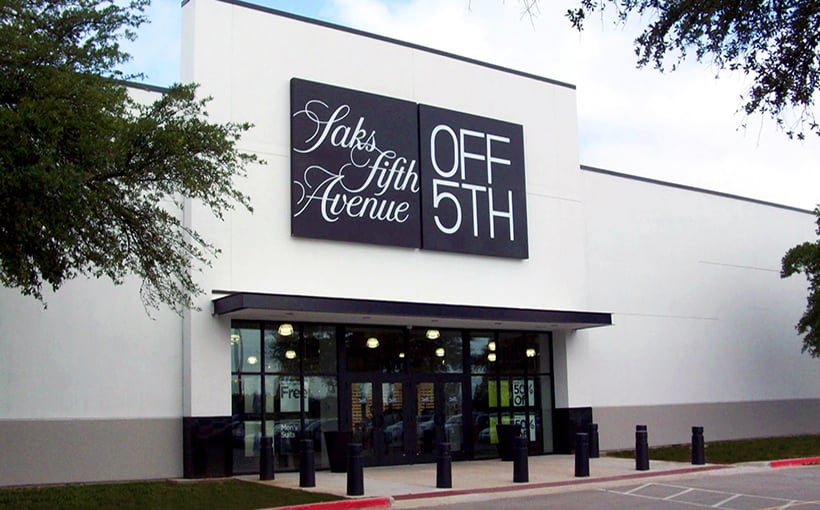
In contrast, CMBS retail performance deteriorated meaningfully in February. The retail special servicing rate increased 133 basis points to 13.09%, with most of that move tied to a single large loan. The $1.25 billion Saks Fifth Avenue Building loan transferred into special servicing for imminent monetary default following bankruptcy filings by the loan guarantors and related entities, including the ground lessee. Those filings triggered multiple events of default under the loan documents and resulted in a cash sweep period associated with the asset.
Lodging and multifamily also saw incremental pressure in February. The lodging special servicing rate rose 64 basis points to 10.01%, signaling a pickup in distress for hotel-backed CMBS loans. Multifamily experienced a comparatively smaller move, with its rate edging up 16 basis points to 8.30%. While these increases are not as dramatic as the retail spike, they point to ongoing stress in certain segments of the CMBS universe despite the headline decline in the aggregate special servicing rate.
Overall, February's Trepp data highlights a bifurcated CMBS landscape. Office and mixed-use loans showed signs of improvement as a subset of troubled credits exited special servicing, and industrial remained steady with minimal distress. At the same time, the sharp rise in retail special servicing, driven by a single high-profile loan transfer tied to bankruptcy-related events of default and cash management measures, underscores that large, individual exposures can materially shift sector-level distress metrics even in months when the overall rate is moving lower.