Towne began nearly four decades ago with a single valet stand and has grown into a multi-service parking, hospitality and mobility provider focused on the full arrival-to-departure experience. CEO Andrew Kerin describes the company as a partner to owners that aims to improve how tenants, residents, visitors and employees first encounter a property, how they leave it and how those touchpoints influence asset performance over time.
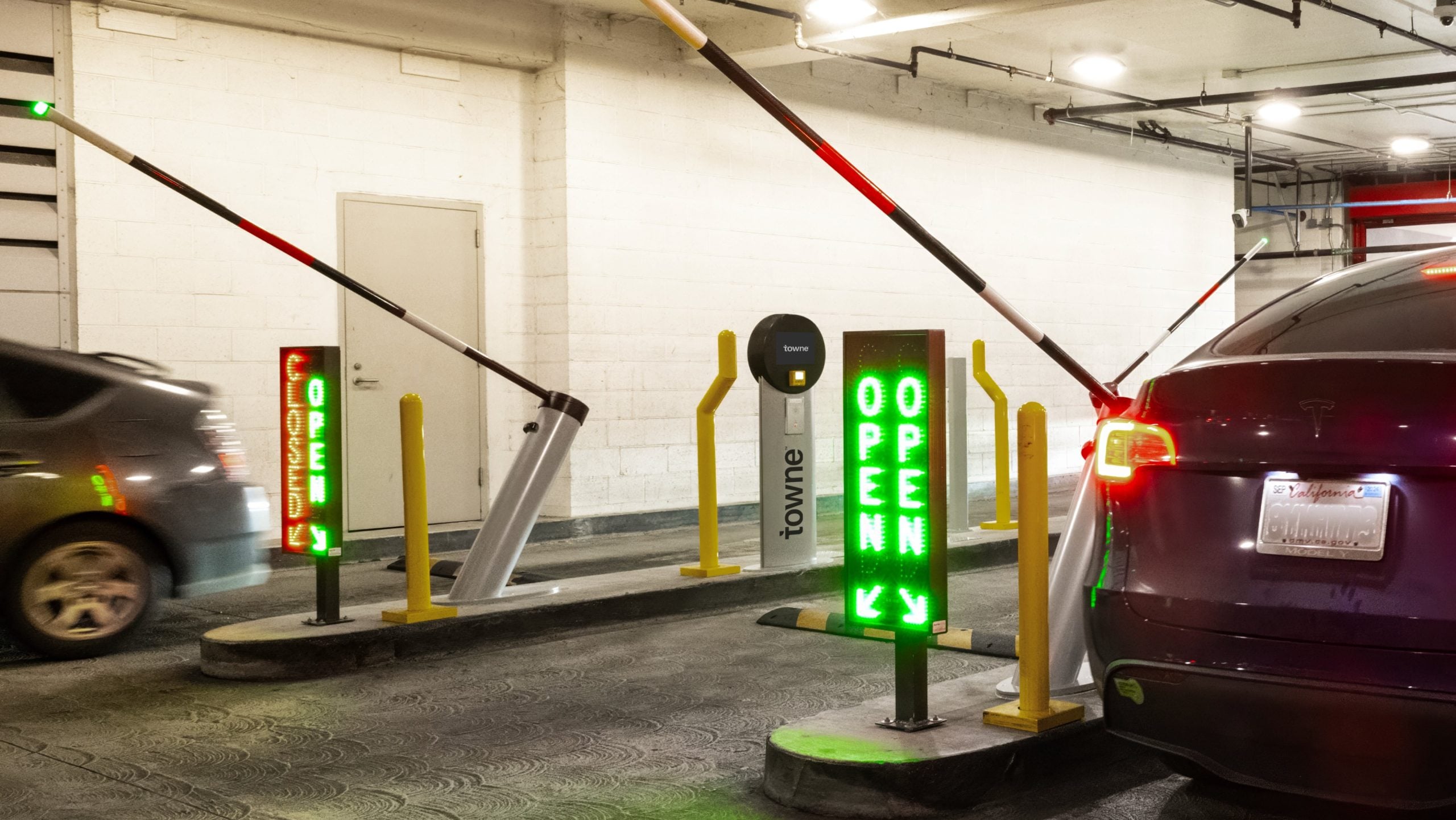
The company positions parking as a key element of brand and customer experience rather than a simple transaction. Towne combines front-line service with standardized operations and its Nexity by Towne technology platform, which can be deployed alongside Towne’s operating services or on a standalone basis. Nexity integrates access and revenue control, parking guidance, digital payments, analytics, revenue optimization and valet management so owners can monitor usage and performance more closely.
Kerin notes that across property types, from mixed-use to hospitals, retail centers and offices, owners are facing higher customer expectations and rising operating costs. They are looking to parking and mobility operations to deliver dependable service, drive efficiency and capture more revenue without major capital expenditures. By examining the full journey into and out of a property, Towne works with owners to calibrate the right mix of self-park, valet, service levels and technology to match each user group and property profile.
The link between arrival experience and financial outcomes is highlighted most clearly in case examples. At one corporate campus, guidance technology and occupancy sensors revealed that existing capacity was underused, allowing the owner to defer a planned parking expansion. According to Towne, this reallocation preserved roughly $15 million of capital, raised peak utilization by 15% and produced an estimated $1.25 million in annual productivity gains.
At a premier Southern California shopping center, integrated guidance tools reportedly cut time spent searching for spaces by 27%, increased peak utilization by 15% and boosted measured customer satisfaction by 112%. Data from the same project indicated that the existing parking footprint could support a 31% increase in retail square footage without building additional parking. In other retail and mixed-use environments, Towne cites results where optimized parking and guidance solutions have produced revenue increases of 30% or more and operating cost reductions of over 50%.
Kerin argues that these examples illustrate how owners can use technology, data and integrated operations to treat parking as a managed revenue stream and experience driver rather than a static amenity. For mixed-use sites in particular, the ability to tailor permits, validations, reservations and pricing by user group and time of day can help owners balance office, residential, hotel, entertainment and retail demands on shared infrastructure while advancing both customer experience and NOI objectives.