**The Cease-Fire Between Bricks-and-Mortar and E-Commerce: A New Era for Retail**
It wasn’t long ago that terms like “retail apocalypse,” “death of physical stores,” and “final curtain” dominated headlines and industry panels. These warnings were driven by valid concerns, including an overabundance of retail space, the rise of online shopping, and the impacts of the COVID-19 pandemic.
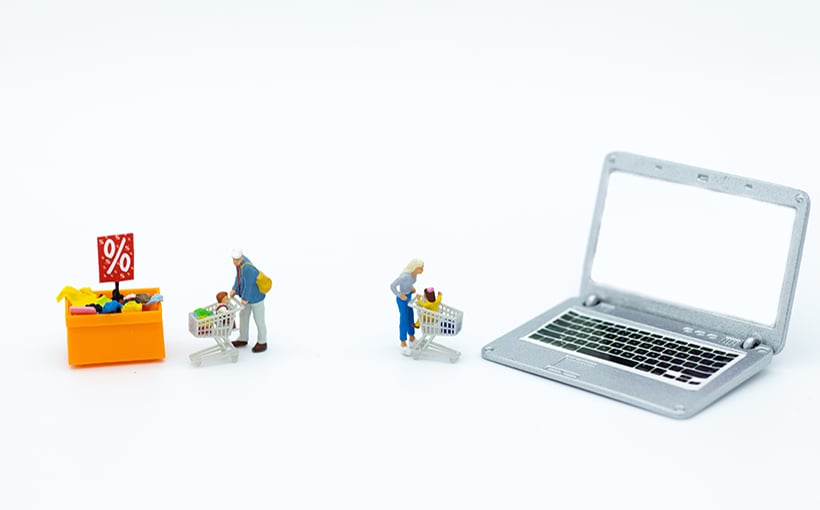
However, the retail landscape has evolved dramatically. Today, industry experts agree: the battle between e-commerce and traditional brick-and-mortar stores is over. In fact, they’ve declared a cease-fire—one that’s paving the way for strategic collaboration and expansion.
—
**Bricks-and-Mortar and Online: From Rivals to Allies**
The once-disparate strategies of physical retail and online commerce have merged into a unified, omnichannel approach. J. Wickham Zimmerman, CEO of Outside the Lines Inc., explains, “Retailers are no longer treating online and bricks-and-mortar as separate strategies. They are integrating the two to create a seamless experience.”
Echoing this sentiment, Meghann Martindale, Principal and Director of Market Intelligence, Retail at Avison Young, points out that physical stores serve multiple roles beyond sales—they build brand awareness, function as fulfillment hubs, and enhance customer loyalty. Online platforms, meanwhile, offer convenience, enable data gathering, and support targeted digital engagement efforts.
Stephanie Skrbin, a broker with Axiom Retail Advisors, notes that physical stores have evolved into dynamic tools for order fulfillment, data collection, and brand promotion. She adds, “Retailers are investing in computer vision, real-time analytics, and AI-driven insights to optimize store layouts, promotions, and shopper journeys.”
Open-air retail centers are also on the rise, offering walkable, lifestyle-focused environments that cater to modern consumer preferences. “This shift is also supporting the rise of open-air retail centers that offer the social, walkable and lifestyle-oriented environments that today’s consumers prefer,” adds Zimmerman.
—
**Balancing Strategy in a Tech-Driven Market**
Retailers today must find equilibrium between their physical and digital strategies. Darren Pitts, Co-Founder and Executive Vice President of Velocity Retail Group, believes that success in both realms is essential to remain competitive: “Big data and artificial intelligence will continue to lead the way. Being good at physical and online strategies is a requirement in the retail sector and to serve today’s increasingly demanding and tech-savvy consumer.”
—
**The Return of Expansion—But With Discipline**
During the 2010s and through the pandemic, consumer behavior and failed concepts led many to believe retail space would remain in chronic oversupply. But that’s no longer the case. According to Skrbin, “Tenant expansion continues because physical retail remains strong and consumers value the in-person experience.”
Pitts adds, “Demand for physical space continues to be stronger than new supply being constructed in the market.” The cost of new development has curtailed new builds, contributing to historically low vacancy rates.
However, today’s expansion strategies are more cautious. Martindale believes the days of unchecked growth are over. “Expansion strategies will be much more disciplined going forward,” she notes, emphasizing a shift towards profitable operations.
—
**Adapting to Constraints and Exploring Plan B**
Limited supply means retailers must remain flexible when planning for growth. One approach has been retrofitting existing buildings, though there isn’t always enough inventory available. Martindale suggests that tenants often consider a Plan B—whether it’s waiting for space in a preferred location, downsizing, relocating to a secondary site, or launching temporary pop-ups to gauge demand.
Despite the earlier predictions of retail’s decline, the dynamics today paint a different picture. “Retail and restaurant activity, overall, is still strong, as is competition on availabilities in A and B centers,” Skrbin says.
In this new era, retail is no longer about choosing between online or in-store. Instead, it’s about leveraging both to create a smarter, more resilient, and more customer-centric experience.