Tesla’s solar battery business is pursuing local tax incentives tied to a proposed large-scale manufacturing project in Fort Bend County. The company has submitted an application to county officials requesting property tax relief for a potential $10.1 billion solar cell production facility. The filing comes as Elon Musk-affiliated ventures continue to expand their industrial and technology footprints, following a separate announcement that SpaceX plans a $16.8 billion chip fabrication plant near the Texas A&M campus.
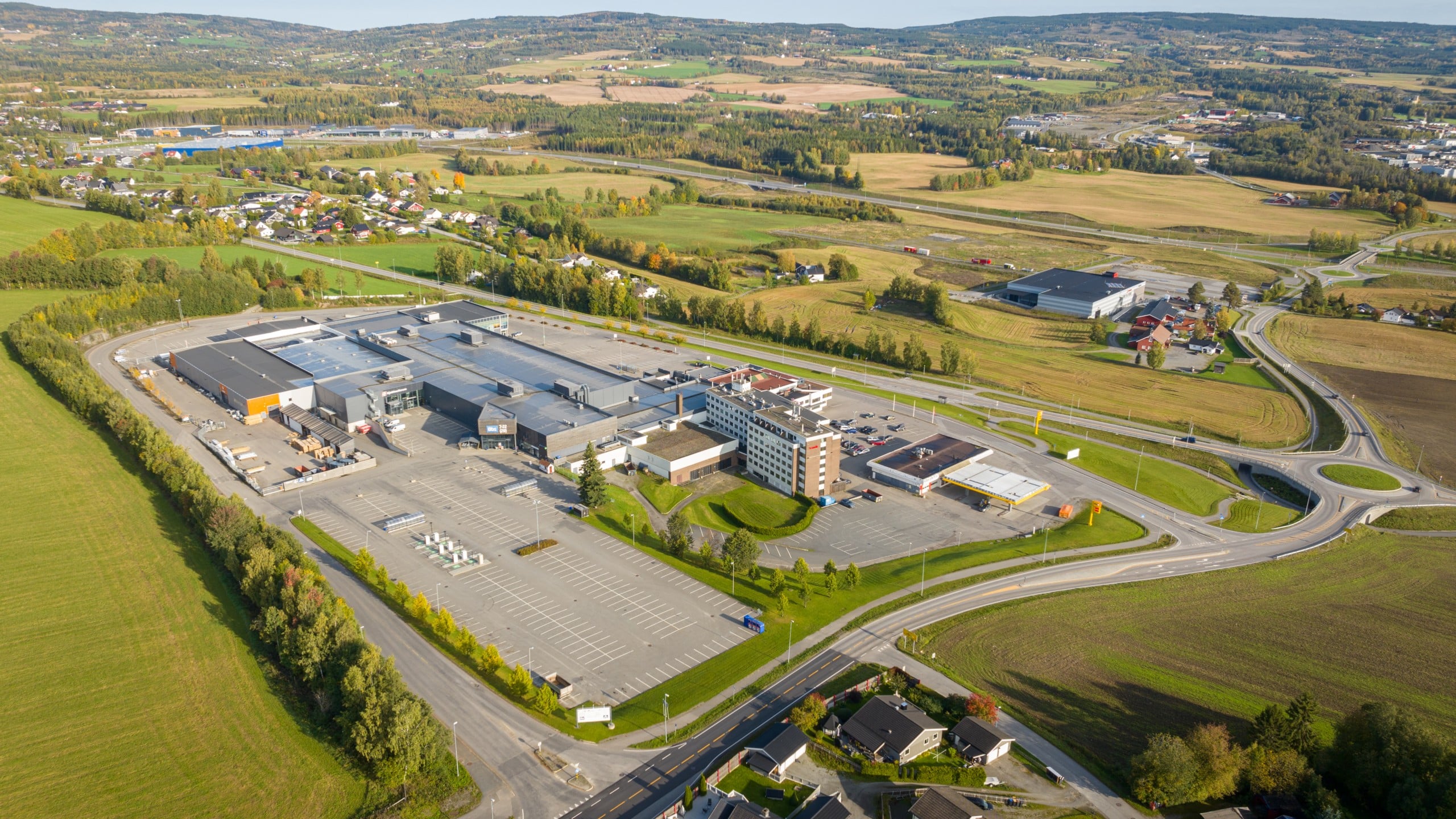
According to information reported by the Houston Business Journal and cited in the filing, the envisioned factory would be located near the intersection of FM 1994 and FM 762, in an area not far from Houston. The proposal outlines a significant land assembly, with five separate parcels totaling more than 3,000 acres under consideration for the development site. The scale of the land position underscores the industrial footprint anticipated for the facility.
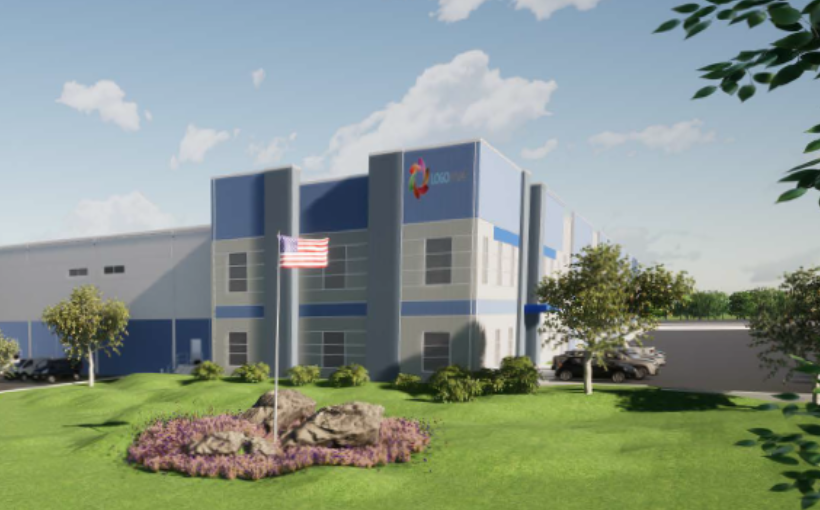
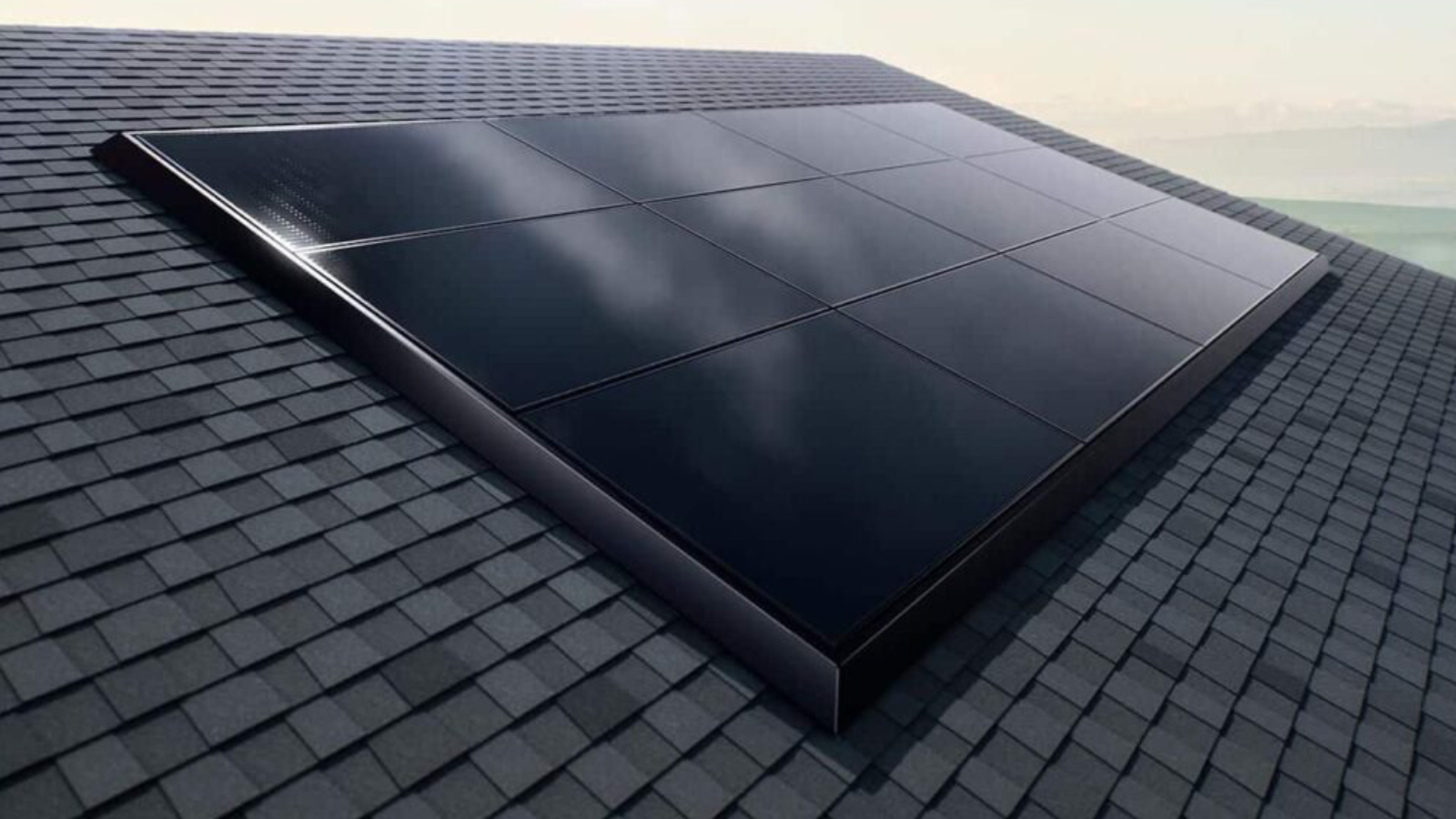
The planned plant is described as a vertically integrated solar manufacturing operation. The company indicates that the facility would manufacture photovoltaic solar cells and assemble solar modules, the key components used to convert sunlight into electricity. The submission notes that operations at the site would center on producing finished photovoltaic products destined for utility-scale solar farms, commercial projects, and distributed solar installations.
The application states that the plant would be scheduled to begin operations in 2029, signaling a long lead time for planning, permitting, site work, and construction. While construction timing and phasing details are not included in the summary, the proposed start date provides a rough indicator of the development horizon for the project.
As part of its incentive request, the company is asking Fort Bend County to approve a 10-year property tax limitation for the site. The requested arrangement would cap a portion of the facility’s taxable value for a defined period, aligning with common local incentive structures used to attract large-scale industrial investment. Specific terms of the limitation, including valuation thresholds and any job-creation or investment benchmarks, were not detailed in the summary.
The proposal positions the Fort Bend County site as a major hub in the company’s clean-energy manufacturing strategy, with output aimed at multiple segments of the solar market. If realized as described in the application, the project would represent one of the region’s larger contemplated industrial investments by value and land area, with long-term implications for local infrastructure, employment, and the surrounding industrial real estate landscape.