**Healthcare Real Estate Shines Thanks to Strong Fundamentals**
Economic volatility has impacted several real estate sectors over the past year. However, healthcare real estate continues to demonstrate resilience, buoyed by solid demographic trends and strong market fundamentals.
“Healthcare real estate has remained exceptionally strong in recent years, driven by the continued aging population, paired with healthcare systems shifting toward value-based and outpatient care to meet the increasing demand,” said Alex Browne, Transwestern’s National Healthcare & Life Sciences Research Director.
### By the Numbers
Transwestern’s Q2 2025 Medical Office report supports Browne’s analysis with key metrics:
– **12-month net absorption**: 7.4 million square feet
– **Vacancy rate**: 5.8%, a 20 basis point decline year-over-year
– **Asking rent**: $22.64, with 1.4% growth over the previous year
– **Under construction**: 11.1 million square feet
The report also notes that the healthcare industry leads in employment gains. Meanwhile, the amount of medical office space under construction has decreased by 50% over the past five years, leading many tenants to remain in their current locations.
### Strong Underlying Fundamentals
The sector’s strength is largely driven by demographics. According to Browne, “By 2040, the population over the age of 65 is estimated to exceed 83 million, making up about 25% of the total U.S. population.” Given that older adults account for nearly half of healthcare spending, the demand for medical services—and by extension, medical office space—is expected to grow.
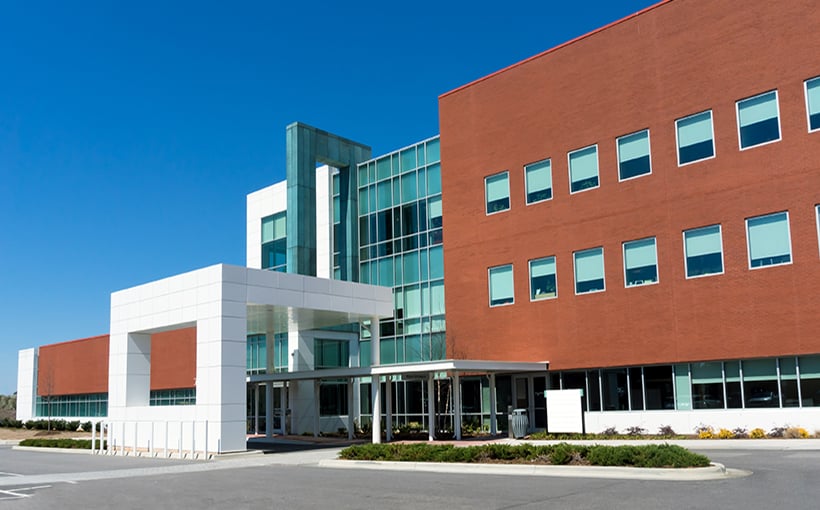
Another significant trend is the shift toward outpatient care. This has fueled demand for Medical Office Buildings (MOBs), which are preferred by institutional investors due to their long-term, creditworthy tenants and historically low vacancy rates.
“These assets benefit from long-term, creditworthy tenants and consistently low vacancy rates from sticky tenants,” Browne explained. “These factors make MOBs attractive to institutional investors, which have been pivoting toward these assets.”
### Supply Challenges and Trends
Despite strong demand, the sector isn’t immune to wider economic pressures. Rising interest rates, increased construction costs, and tighter lending standards have curbed speculative development.
Yet these same constraints are helping to keep supply and demand balanced. Pre-leasing activity remains strong, contributing to historically low vacancy rates.
Browne also highlighted a divide in MOB development trends. On-campus facilities, which typically command higher rents, account for 45% of the current construction pipeline. Meanwhile, suburban, off-campus sites—especially those near retail centers—are gaining popularity among private practices and outpatient providers wishing to be closer to residential areas.
“Suburban off-campuses that are retail adjacent are gaining traction with private practices, outpatient providers and healthcare groups who want to be closer to where patients live and work, decreasing the barriers to visits,” said Browne.
### Looking Ahead
Browne anticipates that healthcare real estate will maintain its stability over the next 12 to 18 months. Factors like ongoing demand, a modest and measured construction pipeline, strong pre-leasing figures, and institutional investor interest will support continued growth.
He also pointed to employment trends within the sector. “The healthcare sector has helped boost employment growth, and it is an overwhelmingly in-person type of profession,” he added. “These professionals are going to need medical buildings to work in and serve the ever-aging population.”
With strong fundamentals underpinning the sector, healthcare real estate—particularly medical office buildings—continues to offer stability and promise even amid wider economic uncertainties.