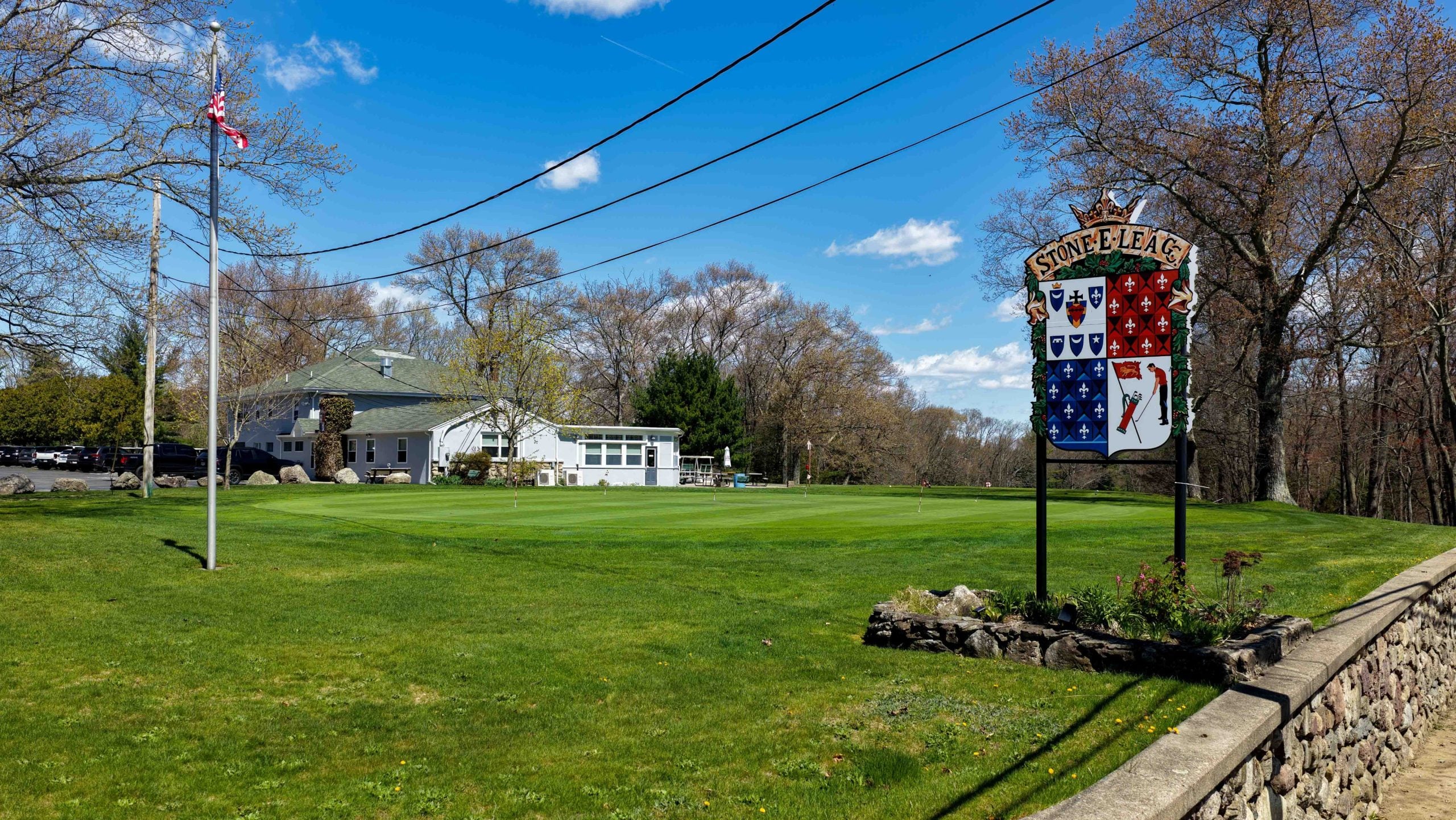
Stone-E-Lea Golf Course, a long-standing recreational venue in Attleboro, MA, is preparing to close at the end of 2026 after serving the community for more than seven decades. The family-owned club occupies roughly 140 acres at 1411 County St., and its pending closure is shifting attention to how the site could be repositioned through redevelopment.
The property is being brought to market as ownership evaluates future options for the land, with a focus on potential new uses that could leverage its scale and location. While no specific redevelopment plans have been announced, the site’s size and setting distinguish it from typical offerings in the area and position it as a notable opportunity for investors and developers.
To manage the sale process and lead marketing efforts, the owners have engaged 128 CRE, a Massachusetts-based commercial real estate brokerage and advisory firm. The assignment will be led by senior vice president David P. Linehan, SIOR, who will coordinate closely with colleagues Adam T. Meixner, Jeremy A. Freid, SIOR, and Tyler J. Capecci, SIOR. Their mandate encompasses both the disposition of the property and positioning it to a range of prospective redevelopment buyers.
In comments on the assignment, Linehan emphasized the golf course’s long tenure in Attleboro and the role it has played locally, noting that its history is an important consideration as stakeholders look toward the next phase of the site. He also underscored that redevelopment opportunities of this magnitude, particularly those with visibility along Interstate 95, remain uncommon in the region.
With the course expected to remain in operation until late 2026, there is a defined transition period during which ownership and the brokerage team can engage with potential buyers and explore different redevelopment paths. That process is expected to weigh market demand, land use potential, and community context as the property moves from an active golf course toward its next use.
As marketing progresses, attention from investors, developers, and local stakeholders is likely to focus on how the large, contiguous parcel can be repositioned in a way that responds to regional real estate dynamics while acknowledging the property’s long-standing presence in Attleboro.