
The Puget Sound retail market is entering 2026 on relatively stable footing, supported by consistent consumer spending and improving in-store traffic across the region. A recent report from Kidder Mathews indicates that retailers and landlords are operating in a market that is holding up, but also becoming more discerning as economic conditions evolve.
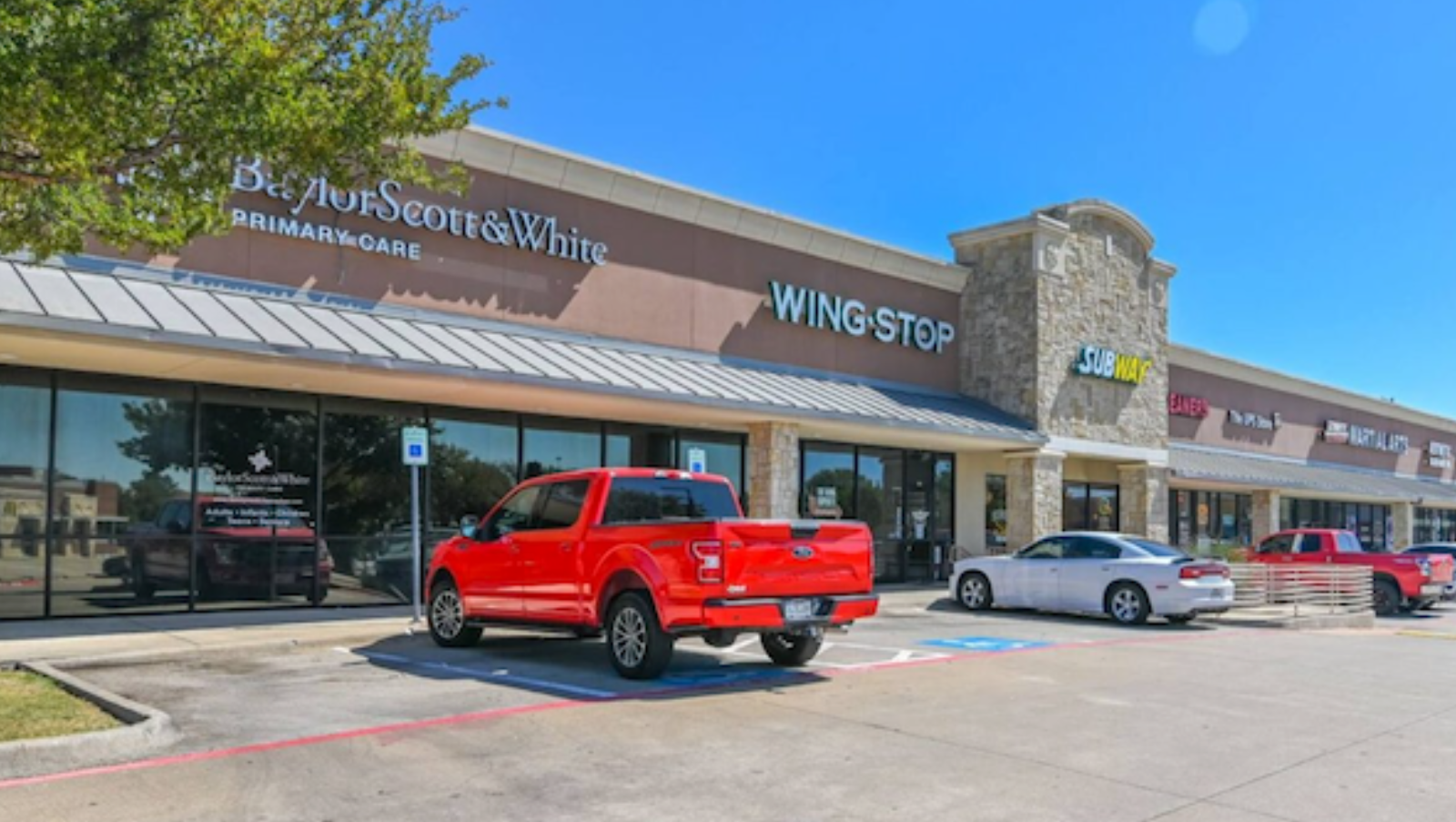
According to the report, overall demand for retail space remains in place, yet leasing decisions are increasingly shaped by moderating job growth and ongoing cost pressures. These dynamics are pushing occupiers to focus more intently on operational efficiency and the quality of their locations. In practice, this is translating into a preference for smaller-format and service-oriented spaces, which continue to see stronger interest and performance relative to larger retail footprints.
The Seattle portion of the Puget Sound market is described as relatively tight, even as vacancy has moved higher on a year-over-year basis. The increase in available space has not undermined the broader sense of stability, but it has added to the selectivity seen among both tenants and landlords. Space that aligns with evolving consumer patterns and supports service-based concepts is seeing the most consistent activity.
New construction is not spread evenly across the region. Instead, development is largely concentrated in specific suburban and mixed-use corridors, where projects are being tailored to local demand. The report cites Woodinville as one example, noting that activity there represents a meaningful contribution to the pipeline of new retail supply in the Puget Sound area.
Leasing momentum is being led by smaller-format tenants, which are generally able to make quicker decisions and adapt to changing spending patterns. These occupiers are helping drive absorption in well-located centers and mixed-use environments. By contrast, larger spaces are experiencing slower lease-up timelines and, in some instances, are coming under pressure to be repositioned or considered for redevelopment.
This divergence between space types underscores an ongoing shift toward compact, service-oriented retail concepts that can capture daily traffic and provide experiential offerings aligned with current consumer behavior. For owners and stakeholders across the Puget Sound region, the findings from Kidder Mathews suggest that asset strategy and merchandising plans will increasingly need to account for the relative outperformance of smaller footprints and the greater leasing friction associated with big-box and larger-format space.