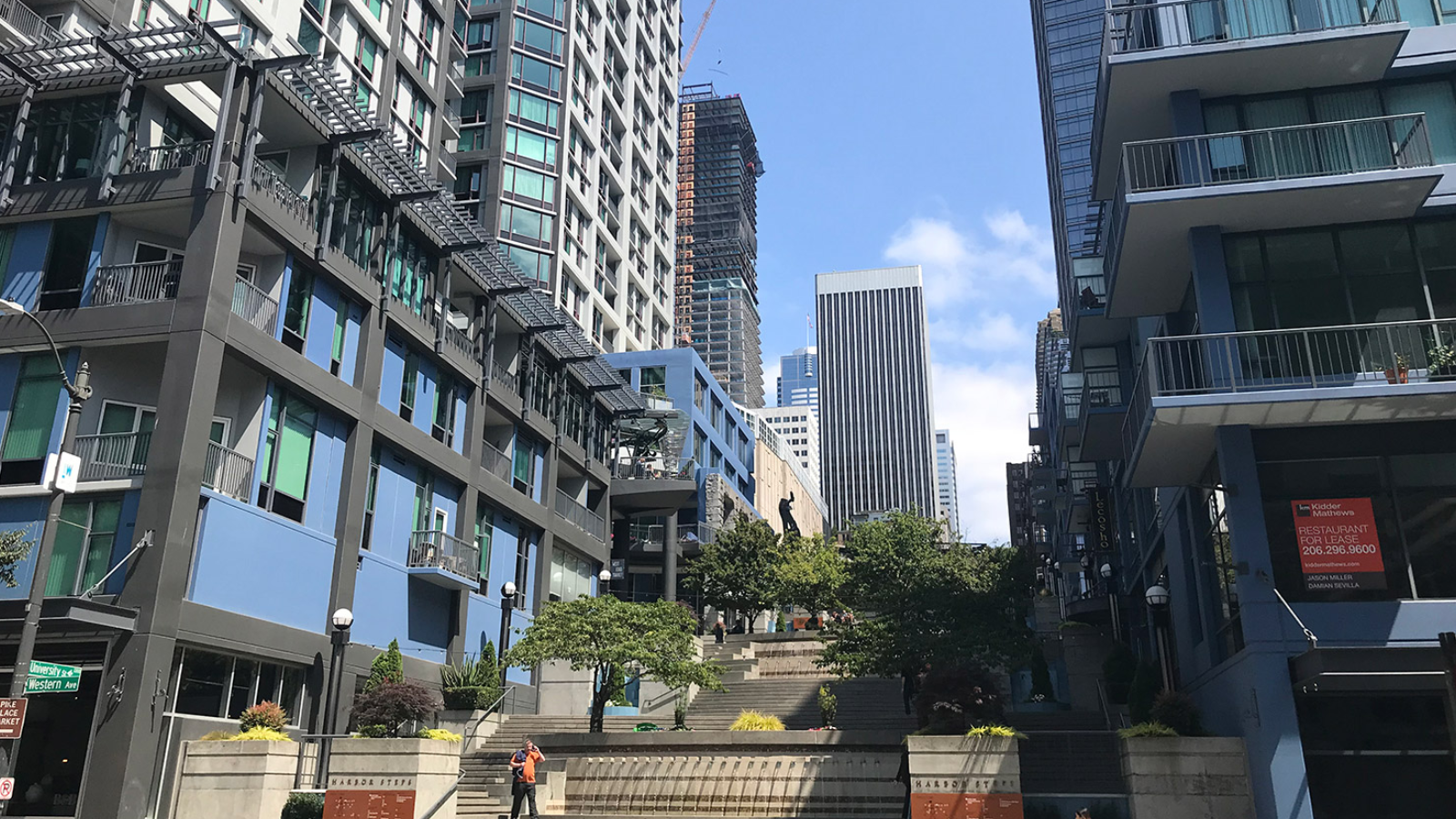
The Puget Sound retail market began 2026 with relatively steady performance, as resilient consumer spending and improving in-store traffic continued to support fundamentals, according to a recent report from Kidder Mathews. The research notes that the region entered the year in a generally stable position following a softer 2025, with overall demand holding up even as retailers adjusted to a more cautious operating environment.
Kidder Mathews reports that retail tenants are maintaining interest in the market but are now more selective about where and how they expand. Slower job growth and persistent cost pressures are weighing on growth plans, leading many operators to focus on efficiency and profitability at the store level. Expansion strategies increasingly favor locations that demonstrate strong sales productivity and align with retailers’ evolving format and operational requirements.
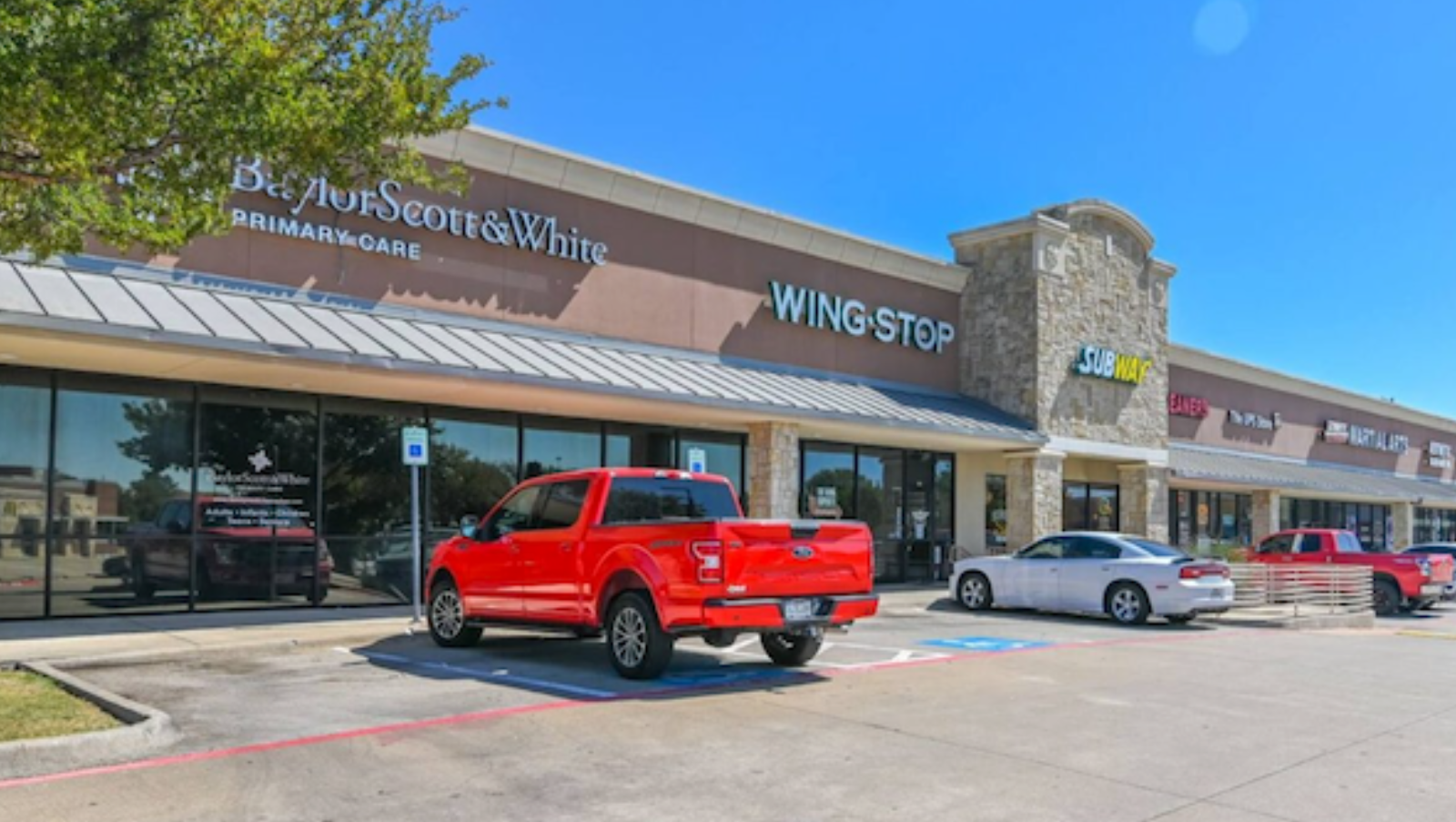
Smaller-format and service-oriented retailers are identified in the report as the primary drivers of leasing activity across the Puget Sound area. These concepts are generally better suited to the current consumer environment, where convenience, services, and everyday needs are drawing consistent demand. By contrast, larger-format spaces tied to more discretionary spending are seeing comparatively softer demand, reflecting a more cautious approach by both tenants and consumers.
Despite these shifts, market tightness remains a defining characteristic of the region’s retail landscape. The report notes that the direct retail vacancy rate stood at 3.9% in the second quarter, up modestly from 3.7% a year earlier. While this represents a slight increase, vacancy is still near historic lows and appears to be stabilizing after moving off record lows. This balance suggests a market that has cooled from peak conditions but continues to benefit from constrained supply and steady underlying demand.
On the pricing side, retail rents have been largely flat. Average asking rates held at $1.95 per square foot in the second quarter, indicating little movement over the past year despite the small uptick in vacancy. Kidder Mathews expects rent growth to persist but at a slower pace going forward, as retailers weigh expansion opportunities against ongoing economic uncertainty and higher operating costs. This environment may reinforce a focus on targeted, performance-based expansions rather than broad-based growth.
Overall, the report portrays a Puget Sound retail market that has transitioned from the stronger momentum of earlier years into a more measured phase. Stable vacancy near historically low levels, flat asking rents, and a tilt toward smaller, service-driven concepts illustrate a market where both landlords and tenants are adapting strategies to maintain performance in a more cautious economic climate.