**The Built Environment: More Than Facilities**
Over the past several decades, the concept of the built environment has evolved from focusing solely on facilities to emphasizing environments that support employees’ well-being. Programs such as the U.S. Green Building Council’s Leadership in Energy and Environmental Design (LEED) system and WELL certification from the International WELL Building Institute have promoted sustainable building practices with a clear emphasis on health and wellness within architectural design.
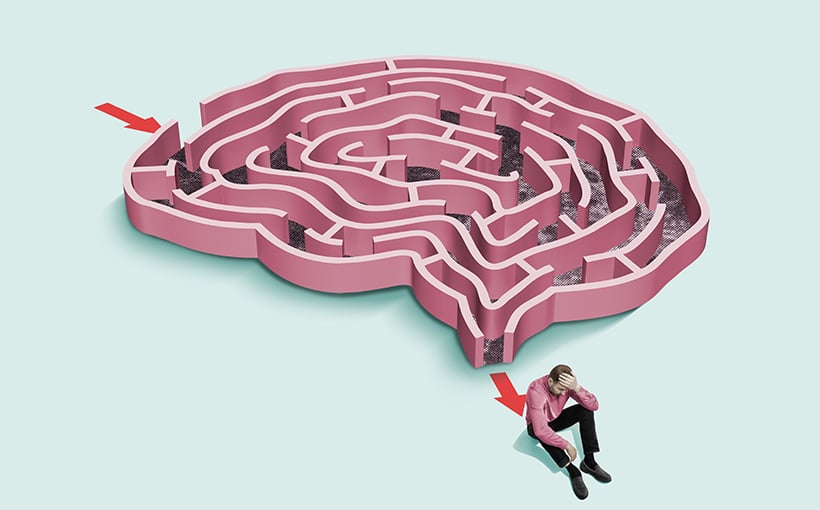
A recent article in Urban Land Magazine, titled “Brain Economy Opportunity: Brain-Healthy, Climate-Positive Cities,” explores how physical spaces significantly impact brain health. Despite this, the article points out that “the capacity of our buildings and public spaces to be regenerative in that regard remains largely untapped.”
Dr. Harris Eyre, a physician, neuroscientist, and senior fellow for brain and society at Rice University, emphasized the connection between the built environment and brain functions such as cognition, creativity, and overall well-being. “Support for environments that foster mental wellness and cognitive performance is not just wise policy—it is an economic and social imperative,” said Eyre.
Supporting this perspective, the McKinsey Health Institute estimates that the economic burden of brain disorders will rise dramatically—from $5 trillion to $16 trillion annually by 2030. According to McKinsey, good brain health encompasses more than the absence of disease; it includes cognitive functioning, resilience, a sense of well-being, and the ability to handle life’s normal stresses, perform productively, and engage with community life.
Further expanding on these ideas, the Urban Land article highlighted how architecture and interior design can support the development of “brain capital.” A prime example cited was architecture firm HKS’ Atlanta office relocation. The new design prioritized a smaller physical footprint, open shared environments to promote collaboration, and adaptable spaces and furniture. These were designed to foster various workplace needs, including idea generation, co-creation, rest, contemplation, and social interaction. The design was further reinforced by cultural workplace practices focused on environmental well-being, work-life balance, team connection, and SMART brain training initiatives.
The outcomes of the new office design included:
– Reduced multitasking
– Higher rates of focused task completion
– Increased employee retention
– A more fulfilled and engaged team
Additionally, the article noted the benefits of open green spaces and pedestrian-friendly environments, which also play a crucial role in enhancing brain health.
As the built environment continues to evolve, its role in promoting mental wellness and cognitive health proves to be not only essential but transformative—marking a new era in design that prioritizes the human experience.