**The Built Environment: More Than Just Facilities**
Over the past several decades, the focus of the built environment has shifted. It’s no longer just about constructing functional buildings—it’s increasingly about creating environments that support the well-being of the people who use them. Programs like the U.S. Green Building Council’s Leadership in Energy and Environmental Design (LEED) emphasize sustainable building practices, while WELL Certification, from the International WELL Building Institute, promotes health and wellness for building occupants.
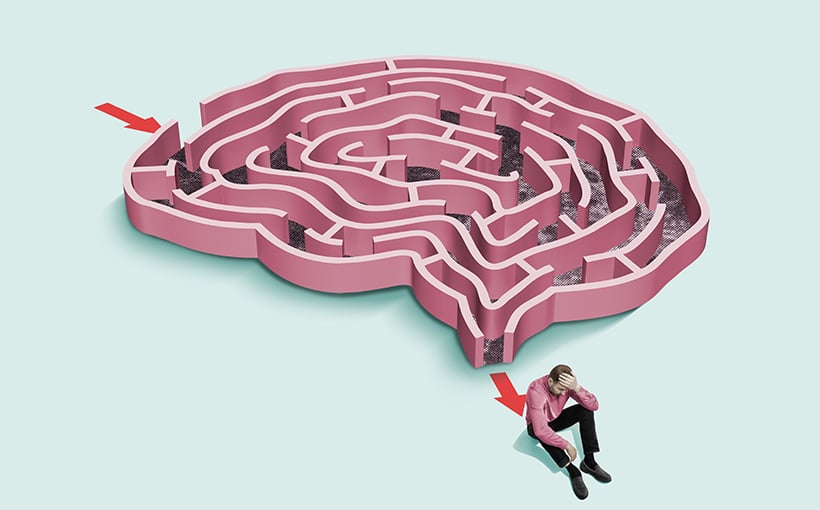
Now, new insights suggest that how we design our spaces could also significantly impact brain health. A recent article in *Urban Land Magazine*, titled “Brain Economy Opportunity: Brain-Healthy, Climate-Positive Cities,” explores the underutilized potential of our public and private spaces to be regenerative and supportive of mental wellness.
Harris Eyre—a physician, neuroscientist, and senior fellow for brain and society at Rice University—stresses that the built environment influences critical aspects of brain function, including cognition, creativity, and overall well-being. “Support for environments that foster mental wellness and cognitive performance is not just wise policy—it is an economic and social imperative,” he stated.
Supporting this view, the McKinsey Health Institute projects that the global cost of brain disorders will rise from $5 trillion to $16 trillion annually by 2030. According to McKinsey, good brain health is more than the absence of disease—it encompasses cognitive functioning, emotional resilience, and the ability to work productively and interact meaningfully with community.
Taking this further, the *Urban Land* article emphasized how a building’s design can help foster “brain capital”—the collective cognitive and emotional resources of its occupants. A case in point is the HKS Atlanta office relocation, which focused on optimizing its physical and cultural environment. Key strategies included a smaller real estate footprint, shared spaces to boost collaboration, flexible areas for different types of work (such as ideation, rest, and social interaction), and workplace habits that promote wellness and balance. Additionally, the company implemented SMART brain training for its team.
The outcomes were notable:
– Reduced multitasking
– Increased completion of focused tasks
– Higher retention rates
– A more fulfilled team
Beyond the walls, the article also highlighted how open green spaces and walkable, pedestrian-friendly environments contribute positively to brain health.
As the understanding of the link between built environments and mental performance grows, it’s clear that design decisions have far-reaching implications—not only for sustainability but also for the cognitive and emotional well-being of the people who live and work in these spaces.