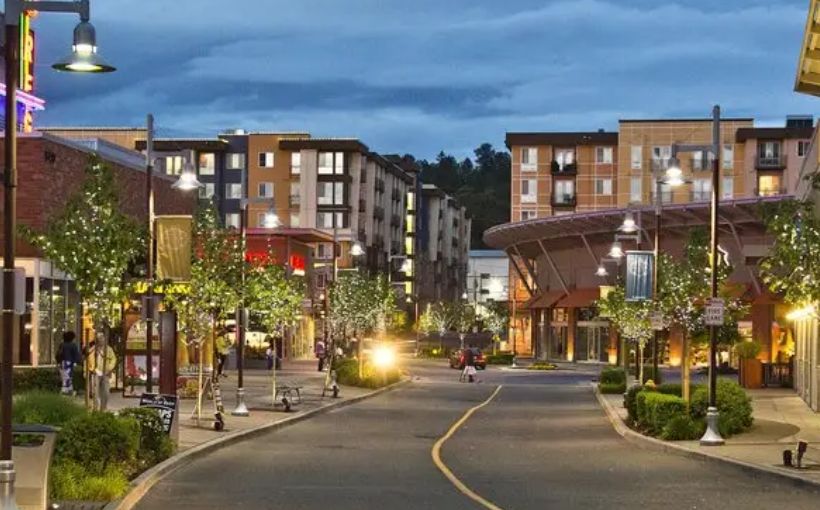
The Puget Sound retail market posted another quarter of steady performance in the third quarter of 2026, according to a report from Kidder Mathews. Market fundamentals were described as relatively stable, with the region continuing to register positive net absorption even as leasing activity became more measured.
Kidder Mathews noted that retailers are proceeding cautiously with expansion plans, responding to slower employment growth and elevated consumer costs. Expansion strategies are increasingly focused on proven trade areas and established locations, with operators favoring smaller and more efficient store formats rather than large, space-intensive footprints.
Retail vacancy in the Puget Sound market remained low and largely unchanged during the third quarter, underscoring a generally balanced relationship between supply and demand. Average asking rents were reported at $1.93 per square foot in the third quarter, unchanged from the same period a year earlier and slightly below the level recorded in the previous quarter, suggesting that rent growth has flattened even as occupancy conditions have improved.
On the supply side, development activity picked up in the third quarter, with 215,000 square feet of new retail space delivered to the market. These deliveries brought year-to-date completions to approximately 306,000 square feet. Despite the additional inventory, vacancy held steady, indicating that new projects have been absorbed without materially disrupting overall market conditions.
The report also highlighted that all three quarters of 2026 have recorded positive absorption to date. This marks a notable shift from 2025, when the Puget Sound retail market experienced occupancy losses. The return to consistent positive absorption, combined with stable vacancy and flat rents, points to a market that has regained its footing, even as both occupiers and consumers navigate a more cautious economic environment.