**Winter is Coming: Time to Prepare Multifamily Amenities for the Off-Season**
As Labor Day fades into the rear-view mirror and the start of the fall season becomes a memory, colder temperatures, ice, and snow are quickly approaching. But there’s still time for multifamily property owners and operators to prepare their communities for the seasonal shift.
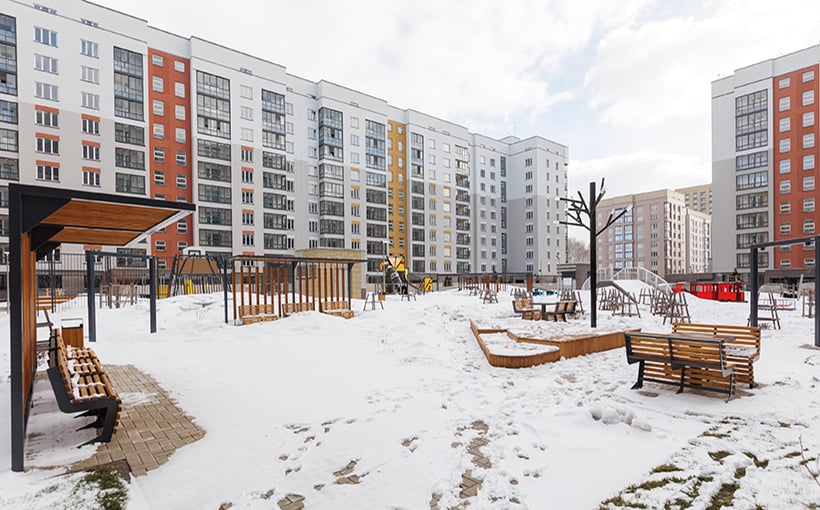
“Think of it as a seasonal reset,” said Alexandra LaFlam, National Account Executive at WithMe, Inc. Multifamily properties should take proactive steps to winterize outdoor amenity spaces—like courtyards, rooftop terraces, fire pits, and swimming pools—while also optimizing indoor amenities that residents will rely on more during the colder months.
### Inspect, Clean, and Store
No matter the region, outdoor features tend to see less use as the temperature drops. That makes early fall the ideal time to perform inspections, evaluate inventories, and thoroughly clean warm-weather amenities.
“This is the time to schedule thorough inspections, check the inventory, and clean everything,” said Brian Buccino, President & Chief Operating Officer, North America, at LIVunLtd. Items such as outdoor furniture and seasonal equipment should be cleaned, repaired, stored, or replaced now, rather than waiting until spring.
Alexandra LaFlam added that scheduling any necessary major repairs now and throughout the winter ensures everything is in top condition come spring.
Athenes Bauza-Wu, Director of New Development and Multifamily Rentals at FirstService Residential, pointed out a key benefit of this forward-thinking approach. “Dealing with repairs and replacements during the off-season ensures readiness for the next peak season. Failure to do so could disappoint residents and result in higher emergency repair costs during the busier months,” she said.
### Focus on the People
Amenities and maintenance are only half the story—property teams play a crucial role in seasonal transitions. Recognizing and rewarding summer staff for their hard work is an important part of shifting into the off-season.
“Reward that team and recognize their contributions to a successful season,” Buccino advised.
The off-season is also a strategic time to invest in staff development. Bauza-Wu recommended using this time to provide comprehensive training for management personnel and lifeguards to ensure they’re well-prepared to meet resident needs and safety requirements next summer.
Additional attention should also be paid to maintaining key infrastructure like pools, enhancing durability of furnishings, and lengthening replacement cycles wherever possible.
### Gather Resident Feedback
A key part of preparing for next summer is gathering honest feedback from current residents while their experiences are fresh.
LaFlam suggested distributing surveys to better understand what worked and what fell short. “Based on usage data and staff feedback, this information can help determine which seasonal offerings delivered value,” she said.
Buccino agreed, noting that resident satisfaction can play a big role in shaping the next season’s plans. “Resident feedback informs improvements for the next season,” he said.
### Shift the Focus Indoors
Just because summer is over doesn’t mean amenities use ends—attention simply shifts indoors. With the change in weather, indoor spaces such as fitness centers, game rooms, lounges, on-site theaters, and coffee bars become more prominently used by residents.
“Consider re-introducing these indoor amenities to residents as their routines shift,” LaFlam suggested. Ensuring these spaces are clean, well-maintained, and promoted to residents is essential for maximizing year-round engagement.
Tech systems that supported summer amenity bookings, such as reservation apps, can easily be adapted for fall and winter use, according to Buccino. A few small adjustments can retool these platforms for cooler weather activities.
In conclusion, seasonal transitions in multifamily properties are about more than just maintenance; they require a thoughtful approach focusing on property features, operational readiness, staff training, and resident satisfaction. As LaFlam summed it up: “It’s essential to prepare amenities for off-season use by aligning them with seasonal activities and residential needs.”
—
*This article originally appeared on ApartmentBuildings.com.*