Retail media networks are becoming a more visible part of the in-store experience for shoppers, according to a new white paper from Placer.ai. The research notes that advertising delivered on in-store screens, on shoppers’ personal devices, and through in-store audio has become a routine feature of many retail visits.
Placer.ai frames the opportunity around a core set of questions that guide brands investing in this channel: who the shoppers are, when they visit, how long they stay, and how frequently they return. The paper emphasizes that answering these questions is fundamental to building media plans that can demonstrate a clear return on advertising spend inside brick-and-mortar stores.
The white paper, titled “3 Brands, 3 Retail Media Playbooks,” focuses on three retailers with established media networks: Kroger, Sam’s Club, and CVS. By analyzing these operators through the lens of location intelligence, the report seeks to highlight both the common elements and the strategic differences in how each company approaches in-store media.
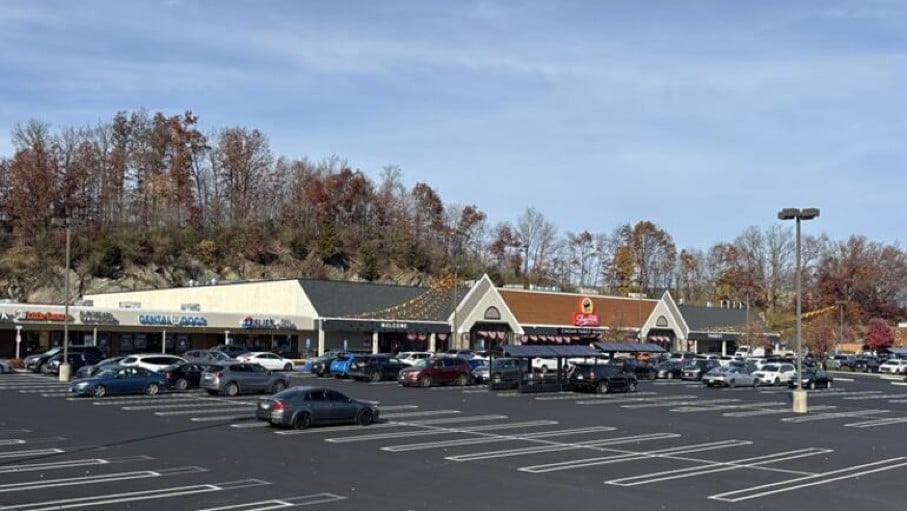
Placer.ai reports that Kroger Precision Marketing operates across more than a dozen grocery banners. These banners are described as drawing very different audiences, underscoring that a single media network can serve multiple shopper profiles and trip missions under one corporate umbrella. For advertisers, this variation can translate into distinct targeting opportunities within the same overall retail platform.
Sam’s Club is cited in the report as an example of how retail media networks are expanding into new in-store channels. According to Placer.ai, the warehouse club operator now delivers ads through fuel-pump screens, adding another customer touchpoint outside the store’s physical walls but still tied to the retail brand. This channel extends the reach of the media network to shoppers during fuel stops, which are often separate from regular store visits.
CVS is also included among the three analyzed brands, reflecting the role retail media can play in health and pharmacy-oriented formats as well as in grocery and club environments. While the article does not detail CVS-specific tactics, its inclusion in the study highlights the breadth of retail categories where in-store media is now relevant.
Across these examples, Placer.ai positions location intelligence as a key input for understanding shopper behavior and refining media strategies. By tying ad exposure to visit patterns and repeat trips, retailers and brands aim to better align messaging with how customers actually use stores and associated services.
For owners and investors focused on retail real estate, the continuing build-out of media networks within major chains underscores how stores are functioning as both sales environments and advertising platforms. The Placer.ai analysis suggests that the way different retailers design and deploy their networks is closely linked to the distinct shopper bases they serve.