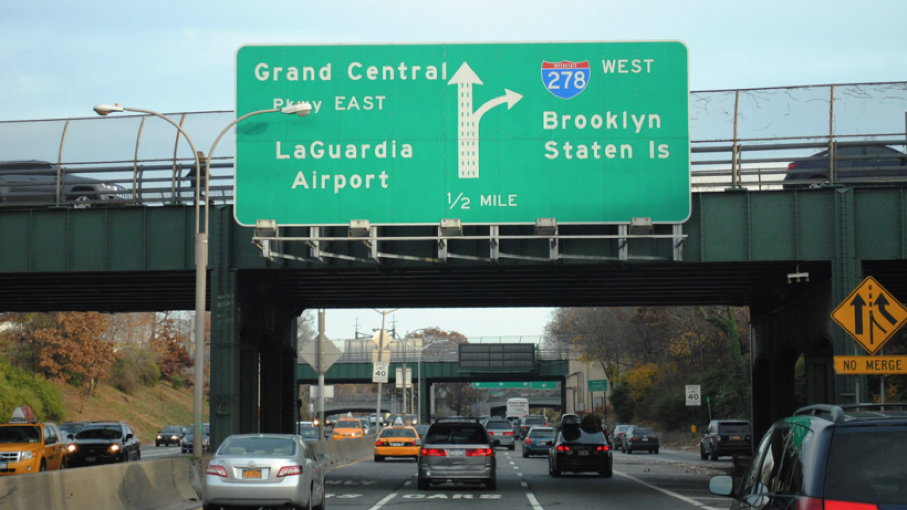
Mayor Zohran Mamdani and New York City Department of Transportation (NYC DOT) Commissioner Mike Flynn have outlined a long-term plan to rehabilitate the city-owned portion of the Brooklyn-Queens Expressway between Atlantic Avenue and Sands Street. The initiative targets a 1.5-mile stretch of the corridor and carries an estimated cost of $4 billion. According to the announcement, construction is expected to span 10 years, with work scheduled to begin in 2030.
City officials describe the project as a response to mounting structural and operational pressures on the roadway. The mayor’s office noted that this section of the Brooklyn-Queens Expressway is roughly 20 years beyond its original design life. The corridor currently accommodates approximately 130,000 vehicles per day, more than double the traffic volume the structure was initially engineered to handle.
As part of the rehabilitation strategy, NYC DOT plans to create a temporary bypass to keep traffic moving while work proceeds on the existing structure. The agency intends to construct a two-level highway detour above Furman Street, located below the Brooklyn Heights promenade, extending from Atlantic Avenue to Columbia Heights. This temporary alignment is expected to support traffic flows during the overhaul of the underlying triple cantilever section of the expressway.
Commissioner Flynn framed the effort as a necessary intervention for aging infrastructure, emphasizing that the timeframe for deferring action has effectively run out. Referencing the triple cantilever structure that supports part of the route, he stated, “Time is up. We are fixing the triple cantilever.” The comments underscore the administration’s view that a major capital intervention is required to stabilize and modernize this segment of the expressway.
The plan has drawn support from stakeholders in the regional construction and development community. At the New York Building Congress, president and CEO Carlo A. Scissura characterized the current condition of the Brooklyn-Queens Expressway as “disastrous” and warned that failure to act could worsen safety risks for the city. He argued that moving swiftly toward implementation would improve safety outcomes and help address what he described as the worst section of the city’s worst highway.
Scissura also acknowledged that details around construction phasing and the overall timeline remain to be fully resolved. Even so, he indicated that the organization backs the administration’s decision to formally initiate the process of executing a large-scale fix. He praised Mayor Mamdani, Deputy Mayor Kerson, Commissioner Flynn and the broader administration for advancing a proposal designed to rehabilitate the corridor as quickly as possible, while noting that questions about how exactly the work will proceed are still outstanding.
With a decade-long schedule and a multibillion-dollar budget, the rehabilitation of the Brooklyn-Queens Expressway’s city-owned stretch represents a major public infrastructure undertaking. While the announcement centers on structural integrity and safety, the project also signals an extended period of planned construction activity along a heavily used route that serves significant volumes of daily traffic.