**Neocloud: The Next Phase in AI and What It Means for Commercial Real Estate**
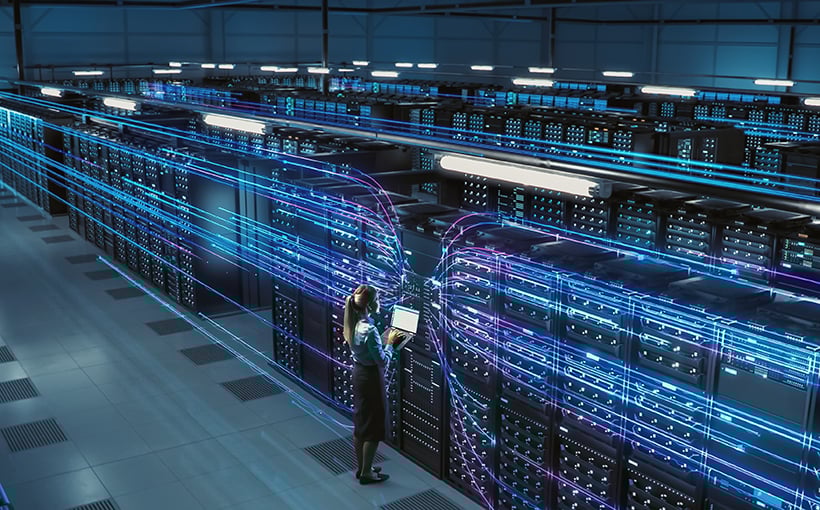
As data center investment and development continue to evolve, a new frontier is emerging: the neocloud. This next-generation cloud architecture goes beyond traditional internet cloud services by offering on-demand access to graphic processing units (GPUs), making it especially well-suited for powering artificial intelligence (AI), blockchain applications, and graphics-intensive gaming platforms. With increased need for power and advanced cooling, neoclouds are rapidly gaining attention as a vital component of the digital infrastructure landscape.
According to a recent report by JLL, “The Rise of Neocloud in the AI Landscape,” real estate professionals involved in data center assets should pay close attention to this sector. The report notes that neoclouds provide “superior flexibility, scalability, and cost advantages for specialized AI infrastructure needs,” and are increasingly seen as preferred alternatives—or strategic complements—to traditional hyperscalers.
The surge in interest around neocloud developments is largely driven by growing AI demand for high-performance GPUs, which in turn require data centers capable of delivering extreme power (100 kW per rack or more) and advanced cooling methods. Neocloud providers are able to deploy GPU infrastructure rapidly and cost-effectively, giving them an edge over slower-moving hyperscale cloud facilities. Additionally, many neocloud firms are aligning themselves as partners to hyperscalers, focusing on niche AI workloads while the larger players provide broader computing and storage services.
From a commercial real estate perspective, neocloud facilities offer a host of intriguing opportunities. These include potential new revenue streams through waste heat monetization—since such facilities generate substantial heat—as well as enhanced rental income compared to leasing to traditional enterprise tenants. Inventory shortages and space limitations for GPU-optimized areas only add to their value proposition.
However, navigating the neocloud investment space comes with its challenges. Firstly, the capital requirements are high, and the sector is still developing, meaning there is a significant level of revenue uncertainty. Building out GPU infrastructure demands considerable upfront investment and advanced knowledge.
Moreover, the contractual landscape is different from traditional data center agreements. While standard leases often last up to 15 years, neocloud GPU contracts typically run for just two to five years. This creates a disconnect with asset payback timelines, which tend to span seven to nine years, increasing investor risk.
JLL recommends that potential investors in this emerging space conduct thorough tenant assessments and prioritize locations with robust power availability. Due diligence on the property and infrastructure is also essential before committing capital.
As the technology landscape continues to shift, the rise of neoclouds marks a significant phase in the evolution of AI infrastructure—and signals new opportunities and challenges for commercial real estate stakeholders poised to support high-performance computing environments.