**A New Angle on Multifamily Amenities: Sustainability — Q&A with PearlX’s Simon Herrmann**
As the competition among multifamily developers, owners, and operators intensifies, many are investing heavily in premium amenities like rooftop lounges, business centers, bike maintenance shops, and dog runs to attract tenants and boost net operating income. Yet, while these features may seem appealing in theory, they are often underused in practice.
According to Simon Herrmann, Senior Vice President at PearlX, a new class of amenities is delivering real value to both residents and property owners: sustainable energy solutions. In a recent conversation, Herrmann shared insights on the growing importance of sustainability in multifamily developments.
**What Are Sustainable Energy Amenities?**
“A sustainable energy amenity is one that’s either powered by a clean energy solution or helps lower overall energy usage,” Herrmann explains. “While it may sound unusual to think of clean energy as an amenity, these solutions can improve the resident experience and deliver meaningful value to renters.”
**Examples of Sustainable Energy Amenities**
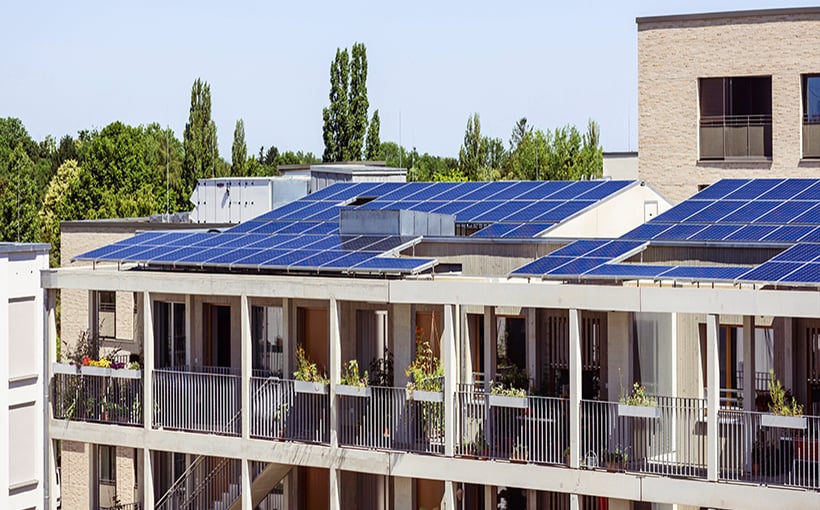
One of the most recognized sustainable features is solar power infrastructure, such as installing solar panels on rooftops or carports. These systems provide a cleaner and more cost-effective energy source than traditional utilities.
Another increasingly popular feature is the installation of electric vehicle (EV) charging stations, which support the growing adoption of electric vehicles among residents.
Smart building technologies—like smart locks, lights, and thermostats—are also included in the category of sustainable amenities. Many property owners are upgrading inefficient HVAC systems with modern, energy-efficient alternatives that integrate with smart tech, improving environmental performance and comfort for tenants.
Additionally, building owners are investing in batteries and clean-energy generators. These systems help manage peak energy demand by storing power for high-usage periods, optimizing electricity costs while also serving as reliable backup sources during outages.
**Benefits of Sustainable Amenities**
Sustainable features aren’t just good for the environment—they make business sense, too. “These solutions can significantly influence leasing velocity, especially in competitive markets,” says Herrmann.
A survey conducted by MRI Real Estate Software found that two-thirds of renters consider environmental and sustainable features essential when choosing a place to live. In particular, Gen Z and Millennial renters are willing to pay a premium—often 10% or more—for sustainable living spaces. This “green premium” presents a major opportunity for multifamily properties aiming to improve revenue while differentiating their offerings.
Furthermore, sustainability-focused upgrades often delay property obsolescence by ensuring buildings remain compliant with emerging green building codes and fully equipped with smart, future-facing infrastructure.
**Cost of Implementation and Maintenance**
Although adopting sustainable amenities involves upfront costs, innovative partnership models can remove the financial barrier for property owners. Companies like PearlX offer turnkey solar energy installations at no cost to the owner, covering maintenance and operational expenses entirely.
“In our model,” Herrmann explains, “we install solar infrastructure and pay owners rent for the rooftop or carport space used. That way, they gain a new revenue stream with no upfront expense, and their residents benefit from a valuable, sustainable amenity.”
**A Win-Win for All**
Ultimately, Herrmann believes that sustainable energy solutions strike a rare balance between delivering exceptional service to residents and driving long-term value for owners and operators.
“Most multifamily owners are trying to balance client service with increased revenue and value,” Herrmann concludes. “Sometimes these factors are at odds. But with sustainable energy solutions, owners, developers, and tenants truly can have it all.”
—
A previous version of this article appeared on ApartmentBuildings.com.
© Connect CRE. All rights reserved.