Experiential Retail and Placemaking: Necessity, Not Amenity
Not so long ago, serving up experiences alongside retail products was considered a “nice to have” strategy. Today, that “nice to have” has become a “need to have,” especially for retailers who want to attract and retain customers.
According to Lee & Associates’ report, *The New Logic of Retail Leasing*, the goal of physical retail is now to bring in more customers and keep them longer. “Every property is being judged on whether it feels like a place people choose to spend time, not a box they pass through,” the analysts wrote.
**Experience as an Economic Variable**
Quick-service restaurants remain consistent traffic drivers, benefiting from convenience, price sensitivity, and daily relevance. At the same time, grocery, fitness, wellness, and service-oriented concepts continue to be the strongest demand generators.
The concepts expanding today succeed by combining retail with services, memberships, events, and product add-ons. As a result, tenants and owners are underwriting for more than just sales per square foot. They are focused on frequency, dwell time, and adaptability.
Sales per square foot rose 4.2% year over year, and occupancy cost ratios have largely normalized. “That gives well-positioned tenants room to invest in buildouts and programming when the payoff is repeat business,” the report noted.
**Placemaking Redefined**
Placemaking is often associated with large malls and mega mixed-use projects. Lee & Associates offers a broader definition: the combination of tenant mix, shared-space investment, and ongoing activation that turns retail real estate into a destination. It also encompasses whether a property can remain relevant over time.
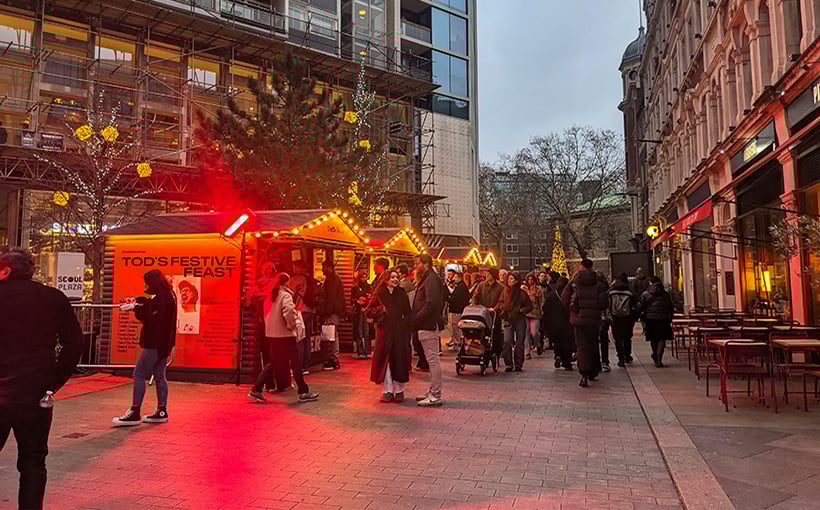
At the stand-alone property level, placemaking can include promenades, shade, seating, and flexible storefronts that evolve with demand. Rotating kiosks, temporary activations, and outdoor programming are strong examples, particularly when they serve as gathering spots. “The point isn’t spectacle,” the report emphasized. “It’s usability.”
**The Takeaway**
For owners, the primary question is no longer simply who will pay the highest rent. Instead, it is which tenant mix, environment, and operating plan will keep the space relevant—and financeable—through the next cycle.
It’s not enough for a property to offer an experience; the critical issue is whether that experience is repeatable and aligned with how people actually live. The report concludes that this means prioritizing uses that monetize frequency, reducing friction with realistic buildout pathways, using data to understand behavior patterns, and maintaining flexibility in a market where construction costs and time-to-open can determine whether deals get done.