**Adaptive Reuse: Not Just for Office or Residential**
A recent report from StorageCafe highlights a growing trend in the commercial real estate sector: the adaptive reuse of buildings for self-storage purposes. According to “Out With the Old, Enter Self Storage,” annual deliveries of new self-storage space in the 2020s have exceeded 64 million square feet.
One of the most notable insights from the report is that adaptive reuse projects now account for roughly 10% of the total self-storage inventory across the United States. “Owners are increasingly embracing conversion projects—repurposing existing buildings to expand inventory in markets where zoning hurdles and limited land make new development difficult,” the report explains.
Over the past decade, adaptive reuse in self-storage has accelerated, comprising more than half of all conversions, totaling approximately 108 million square feet. This surge coincides with growing demand, as self-storage facilities continue to expand alongside residential developments.
Mirela Mohan, senior editor and co-author of the report, emphasized how these conversions are helping meet that demand. “This growth aligns with rising demand, as self-storage has become a well-established service growing alongside the residential sector,” she said.
**Understanding Self-Storage Conversions**
Mohan outlined the process involved in converting a building for self-storage use. It typically includes reworking both interiors and exteriors to accommodate storage units, HVAC systems, and other amenities essential for a fully functioning facility. On average, these projects take about a year to complete.
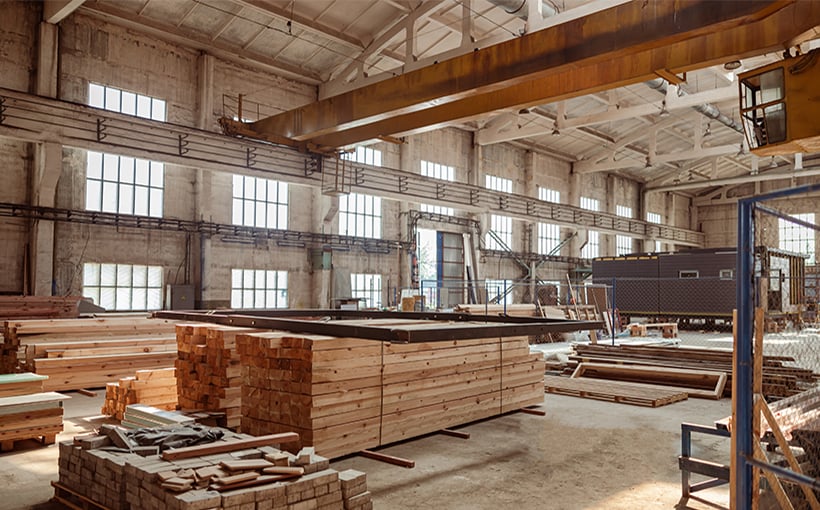
The most common types of buildings suited for this transformation include retail centers, office buildings, and industrial facilities. But the list is expanding—bowling alleys, movie theaters, car dealerships, and even schools are now being repurposed.
These conversions can offer a cost-effective way to bring additional storage capacity to a market, particularly when newer structures are adapted. However, Mohan cautioned that for multi-story buildings, structural integrity is crucial. “Upper floors must be structurally sound enough to support the weight of fully built-out storage units,” she noted. Ceiling height is also a consideration, with 10 feet or more being optimal for installing lighting, sprinkler systems, and HVAC. “This is where a structural engineer becomes essential,” Mohan advised.
**Where It’s Happening**
Converted self-storage facilities are popping up in major metro areas like Chicago, Brooklyn, Manhattan, Philadelphia, and St. Paul. Additionally, Sun Belt locations—Irving, TX; Los Angeles, CA; and Fairfield, AL—are seeing a spike in conversion projects currently under construction. Other active regions include Cranston, RI and Buffalo, NY.
According to Mohan, local market conditions are fueling the trend. Limited availability of land, strong demand, and an abundance of historic or vacant buildings are making adaptive reuse an attractive option. “With ground-up construction more difficult in these areas, developers are turning to older structures from the cities’ industrial past to create storage facilities that meet local needs,” she said.
**Challenges Facing Developers**
Despite the upsides, developers pursuing adaptive reuse must be prepared to navigate several challenges:
– **Zoning Issues**: “This is a major hurdle,” said Mohan. “Some areas simply aren’t zoned for self-storage, which can halt a project in its tracks.”
– **Building Conditions**: Not every building is a suitable candidate. Older structures may require extensive modifications, including roof upgrades, HVAC overhauls, or partial demolitions. These additional needs can extend development timelines and significantly increase costs.
To avoid costly missteps, Mohan advises developers to begin by analyzing local demand, zoning policies, and the overall condition of the property. Design considerations are crucial as well. Developers must choose between single-story and multi-story layouts—each with its own set of logistical pros and cons. “Single-story facilities often allow for easier drive-up access,” she noted.
**The Benefits of Conversion**
Despite the difficulties, the benefits of adaptive reuse for self-storage are numerous. These projects help breathe new life into underused or vacant buildings, contributing to job creation, neighborhood reinvestment, and even the preservation of historic architectural elements.
“Overall, self-storage conversions are an effective way to meet local storage demand while catalyzing neighborhood reinvestment,” Mohan concluded. Moreover, converted facilities typically come online faster than those built from the ground up—allowing operators to respond swiftly to community needs.