**Change is Coming to Downtown Toronto’s Office Market: Colliers**
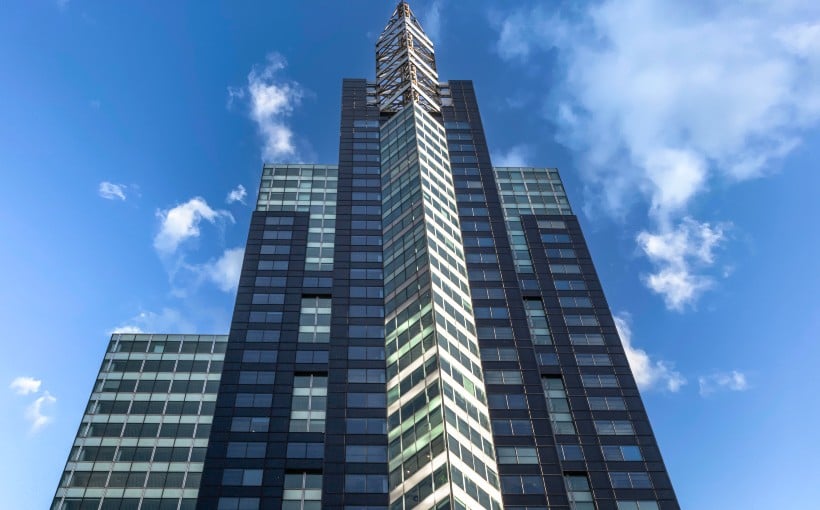
Toronto’s downtown office landscape is undergoing a significant transformation. In the final quarter of 2019, the city’s core office vacancy rate was a mere 1.1%. Fast forward to Q3 2025, and that number has climbed to 12.6%, according to Colliers.
But there are signs that a shift is underway.
**A Tale of Two Building Classes**
Post-pandemic return-to-office mandates are reigniting demand for physical workplaces. However, not all office buildings are reaping the benefits. High-quality Class AA and AAA towers, especially those near transit and retail amenities, are seeing increased occupancy. In contrast, Class B assets – particularly those located farther from public transportation and lifestyle conveniences – continue to struggle with double-digit vacancy rates.
As demand rises, there’s an opportunity for owners of these lower-tier buildings to reposition their properties and attract new tenants – potentially capitalizing on a shortage of premium space.
**Current Market Dynamics**
Jonathan Olynick, Senior Managing Director with Colliers’ Brokerage Group in Toronto, notes that even though hybrid and remote workplaces remain viable models, a growing number of firms now prefer to see staff in the office more frequently.
Canada’s leading banks are at the helm of this change. In May 2025, Royal Bank of Canada requested that staff return to the office four days per week starting in September. Following suit, Scotiabank and Bank of Montreal announced similar mandates the next month.
“The big banks are the standard setters, and we expect more companies to follow suit,” Olynick said.
These institutions are strategically located in Toronto’s Financial District, with easy access to public transit, dining, and shops – advantages that enhance their appeal for occupiers.
Unfortunately, not all buildings downtown are equally advantaged. Properties outside the Financial District – including those in Downtown East, Downtown West, and Midtown – are less connected and will likely find it more challenging to fill vacancies. Compounding the issue is worsening vehicle congestion, making accessibility even more crucial.
Within the core, top-tier buildings are faring better. “Many new, well-located trophy offices in Toronto’s core are now seeing vacancy around 4%, a notably lower rate compared to last year,” said Olynick. “Meanwhile, there is tougher competition among landlords of older buildings to replace departing tenants, as office occupiers find themselves with a myriad of options.”
**Unlocking Opportunity in Underutilized Assets**
Owners of aging or lower-class office buildings have a few clear strategies at their disposal.
**1. Deliver Turnkey Spaces**
Chris Fyvie, Vice President with Colliers’ Office Leasing Group in Toronto, emphasizes the shift in occupier expectations. “Occupiers aren’t just leasing space – they’re choosing proximity to transit, staff amenities and operational ease,” he said. “In today’s market, location, employee incentives and turnkey readiness aren’t perks – they’re prerequisites.”
Providing turnkey spaces – move-in ready with minimal renovation required – is becoming a standard rather than a luxury.
**2. Improve Bike Infrastructure**
With city traffic congestion on the rise, many employees are turning to bicycles for their commute. Owners of buildings not situated near transit hubs can enhance accessibility and appeal by offering secure bike racks, storage lockers, showers, and even on-site bike repair facilities. Partnerships with services like Bike Share Toronto can provide tenant incentives and encourage more sustainable commutes.
**3. Offer Shuttle Services**
Another amenity growing in popularity is the private shuttle. Building operators can arrange transportation between major transit stations and their office properties, especially during rush hours. Some might even consider offering ride-share discounts to facilitate smoother connections.
**4. Add On-Site Amenities**
Tenant expectations now extend beyond the physical office. Modern occupiers value on-site services that contribute to convenience and wellness. This includes fitness centers, yoga studios, dry cleaning, car detailing, concierge services, food options, and retail conveniences.
“Buildings that either include, or are connected to, a functional, convenient array of shopping, dining and necessity retail tend to attract good tenants,” Olynick explained. “Moreover, having attractive, accessible and comfortable green outdoor spaces that promote relaxation and wellness should be prioritized.”
**Looking Ahead**
Toronto’s downtown office market is evolving rapidly. With a clear division between high-quality, transit-rich buildings and those in less accessible areas, the success of individual properties will depend on proactive investment, strategic upgrades, and alignment with the evolving priorities of occupiers.
As Class A space becomes more scarce, landlords willing to reimagine and reinvest in their buildings may find themselves well-positioned to take advantage of this next wave of workplace demand.