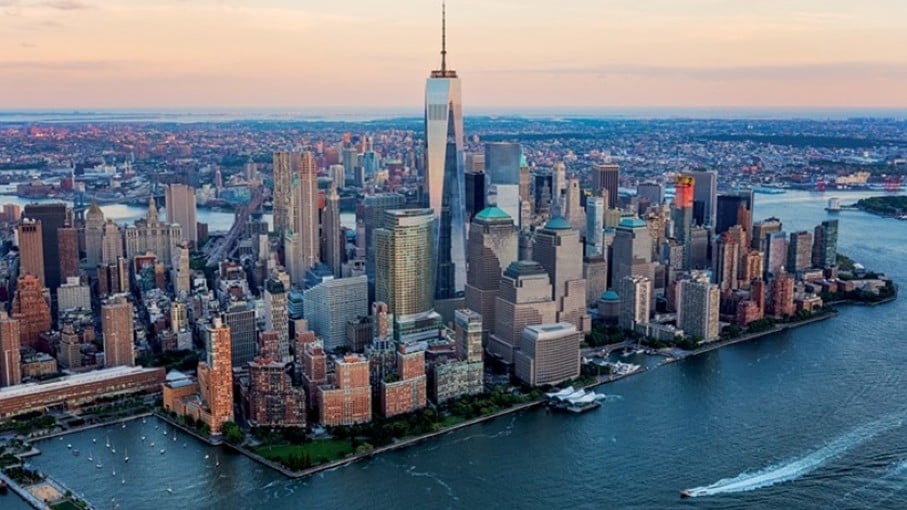
Lower Manhattan has seen a dramatic reshaping of its urban fabric since the Sept. 11 attacks, with New York State Comptroller Thomas DiNapoli describing the change as a profound transformation. In a recent report examining the area’s socioeconomic trajectory, DiNapoli highlights how the district has evolved from a predominantly office-driven environment into a more diversified, round-the-clock neighborhood.
The report notes that the local population has grown significantly over the past two and a half decades. Lower Manhattan’s resident base increased from 32,446 people in 2000 to 70,761 in 2024, surpassing the pace of growth in Manhattan overall. This demographic expansion has been concentrated in neighborhoods such as the Financial District and Tribeca, signaling a broader shift toward residential and mixed-use living in areas once dominated by office users.
Housing growth has been an essential component of this evolution. The number of housing units in Lower Manhattan climbed from 21,337 in 2002 to 46,194 at the start of 2026. According to the comptroller’s analysis, this surge in residential inventory has been enabled by zoning changes and the conversion of office buildings into apartments and ground-floor retail. These adaptive reuse projects have helped repurpose older commercial stock while bringing in new residents and street-level activity.
DiNapoli’s report also points to a broader diversification of the local economy. Lower Manhattan is now home to a wider mix of businesses, a growing tourism sector, and a range of government offices, hotels, restaurants, and cultural destinations. Together, these uses support a 24-hour neighborhood dynamic rather than a purely daytime, office-focused district.
Public transportation investments have been another pillar of the area’s resurgence. Major improvements in transit access have strengthened connectivity for workers, residents, and visitors alike, reinforcing Lower Manhattan’s role as a key employment and cultural hub. These infrastructure upgrades, coupled with the area’s expanding amenity base, have supported both the rise in population and the diversification of local uses.
Reflecting on the changes, DiNapoli contrasts today’s conditions with the period immediately following the attacks. He notes that it would have been difficult to imagine the neighborhoods around Ground Zero taking their current form, marked by a growing residential community and a mix of retail, business, government, hotel, restaurant, and cultural activity. He frames the district’s trajectory as a testament to the sustained effort and investment that followed one of the darkest days in recent history, and as an example of resilience at both the city and national level.