**Lower Interest Rates: More Than Just Fed Cuts**
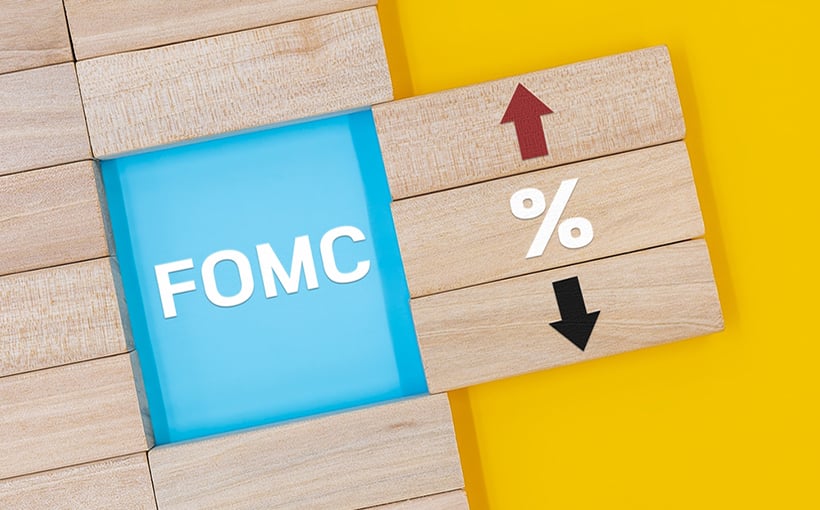
In late October, the Federal Reserve implemented its second 25-basis-point cut of the year to the Effective Federal Funds Rate (EFFR), lowering the overnight rate to a range between 3.75% and 4%. While this move has spurred optimism that it may boost commercial real estate (CRE) deal flow, experts caution that multiple factors are influencing lending rates beyond just the Fed’s action.
John Chang, Senior Vice President at Marcus & Millichap, pointed out that the broader lending environment reflects more than just monetary policy adjustments. In a recently released video update titled *CRE Rates Trend Lower*, Chang outlines a range of dynamics currently placing downward pressure on interest rates.
### Banks Are Changing Course
In 2024, banks scaled back their involvement in commercial real estate as they focused on repairing balance sheets and addressing potential default risks. Financial institutions spent much of the year clearing higher-risk loans and rebuilding deposit bases.
However, that phase appears to be passing. “It looks like banks may face a more lenient regulatory environment that requires lower reserves,” said Chang. As a result, traditional banks are becoming more active in lending markets once again, supporting a broader recovery in CRE finance.
### Private Lending Capital: Still Available
Private debt funds and alternative capital sources have filled the void left by cautious traditional lenders. Many investment funds have shifted away from direct real estate acquisitions toward investor financing.
These private lenders—often offering bridge loans and avoiding personal guarantees—have played a key role in closing funding gaps. These loans are typically used for refinancing maturing debt or funding value-add renovations. In the first three quarters of 2025 alone, private lenders raised approximately $24 billion—up from $11 billion the previous year.
“This increased liquidity has helped put downward pressure on commercial real estate lending rates,” Chang noted.
### Optimism and the Fed
Market sentiment anticipates continued rate cuts in 2026. In response, lenders are increasingly lowering spreads as confidence grows in rate stability or further modest decreases by the Fed. Chang explained that lending rates are also influenced by the sponsor’s track record, asset class, location, and several other underwriting variables.
### Will It Continue?
Despite a year-over-year decline, commercial real estate lending rates remain elevated compared to conditions in 2021 and 2022. Uncertainty lingers as to how long this softer rate environment will last.
At a recent press conference, Federal Reserve Chairman Jerome Powell stated that a December rate cut is “not a foregone conclusion.” Meanwhile, optimism for further rate reductions in 2026 has tempered, suggesting that the lending landscape remains fluid.
“We’re still in a fluid lending landscape, and there are a lot of forces in play that could move interest rates up or down,” Chang concluded.
While the Fed’s decisions remain closely watched, it’s clear that a confluence of regulatory shifts, private capital flows, and lender sentiment are also vital pieces of the interest rate puzzle in the commercial real estate market.