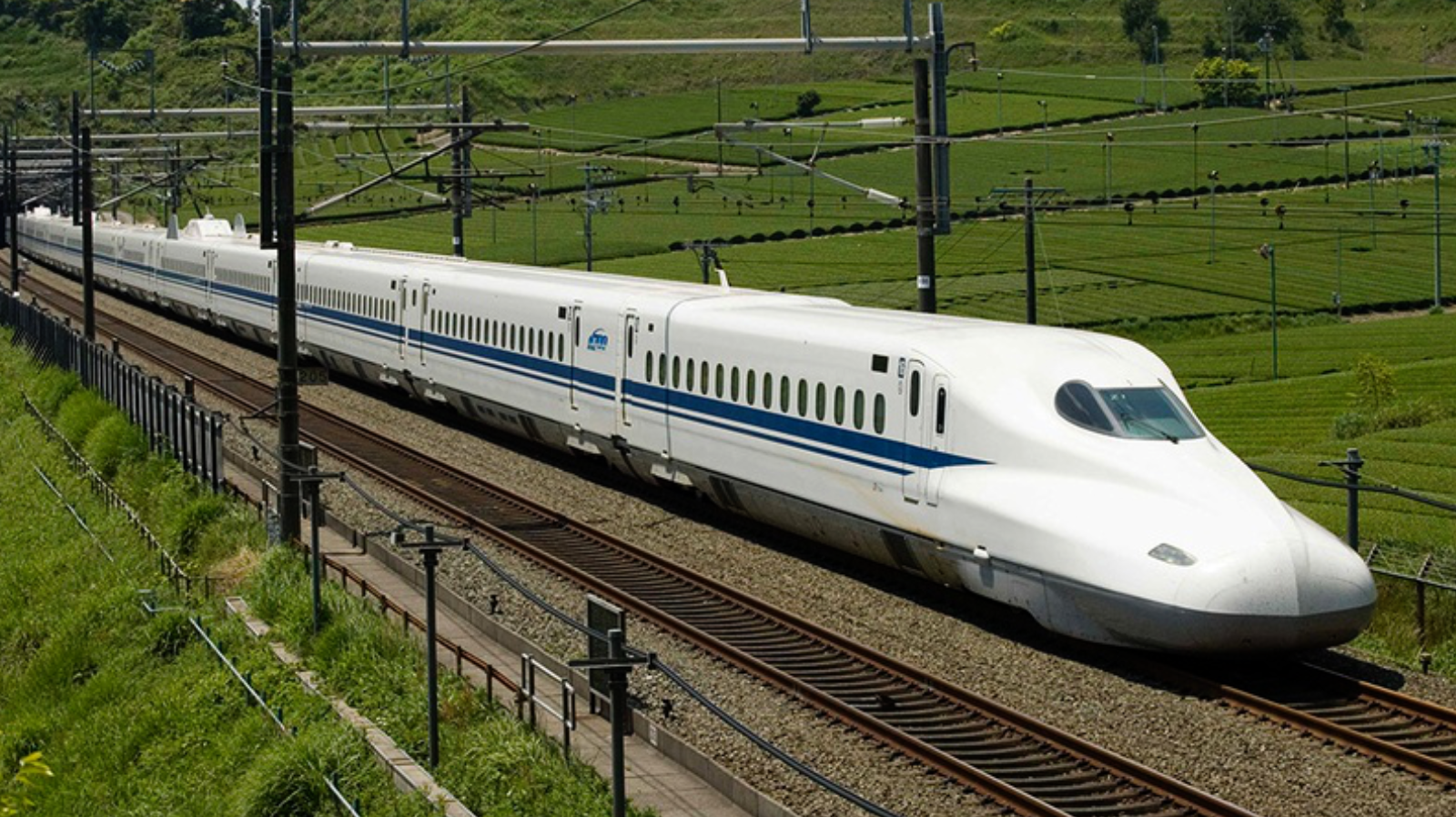
A new analysis of the proposed high-speed rail line between Dallas and Houston outlines sizable potential tax and real estate impacts for communities along the corridor, particularly Fort Worth and Arlington. The project, which has been discussed by transportation leaders as a way to address anticipated population growth and mounting traffic congestion in the region, remains under review as public and private stakeholders evaluate costs and benefits.
According to findings cited from a study led by AECOM, the corridor could generate between $3.3 billion and $4 billion in property tax revenue for Fort Worth and Arlington over a 15-year period from 2035 through 2050. Those projections focus on incremental value tied to new development and economic activity that would be catalyzed by the high-speed rail system if it is fully built out.
The study highlights the potential impact of a Fort Worth station on the line, suggesting it could become a focal point for significant commercial growth. At full system buildout, a station presence in Fort Worth is projected to support approximately $1.2 billion in annual spending tied to the surrounding area. In addition, AECOM estimates that roughly 19,400,000 square feet of new commercial development could be developed around the station area as the market responds to improved regional connectivity.
Hospitality and retail-related tax streams are also expected to benefit if the project advances. The study projects that hotel tax revenue tied to the Fort Worth station area could grow to about $84 million per year at maturity. Sales tax collections in the vicinity are estimated to rise to approximately $12 million annually, signaling increased visitor and consumer activity associated with the high-speed rail service and related commercial uses.
While detailed figures were not broken out, the report indicates that Arlington could see tax revenue and development metrics that are broadly similar to those outlined for Fort Worth. Both cities are positioned as potential beneficiaries of new commercial projects and related infrastructure that would cluster around station locations, helping to reshape land use patterns and taxable value if the rail link proceeds.
The proposed Dallas-to-Houston high-speed rail system carries an estimated project cost of $30 billion, positioning it as one of the most ambitious infrastructure undertakings contemplated in the state. The scale of the investment underscores the need for coordination among multiple organizations and public entities, which would need to reach agreement before moving forward with what is described as one of the largest public works efforts in Texas history.
For now, the project remains under review as policymakers, transportation officials, and local jurisdictions weigh its potential to alleviate congestion against the substantial capital commitment and governance complexities involved. The AECOM study adds a layer of quantified expectations around tax revenue and commercial square footage, providing local governments and commercial real estate stakeholders with a clearer picture of the potential upside tied to station-area development.