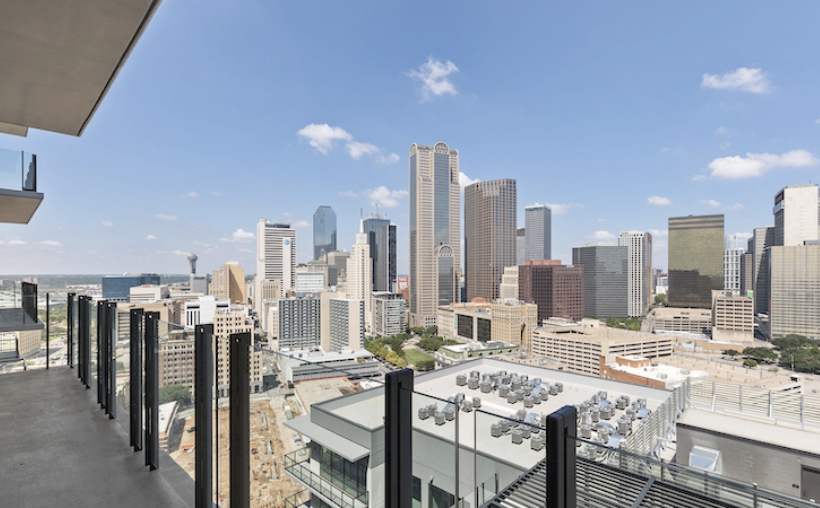
Dallas-Fort Worth continues to rank as the top U.S. metro for new multifamily supply, maintaining its position as the busiest apartment construction market. According to Multihousing News data cited in the report, the Metroplex recorded 40,666 newly delivered units across 162 properties last year, edging above the 40,497 units completed in 2024 across 157 communities.
The pace of new supply in Dallas-Fort Worth is poised to remain elevated into 2026 and beyond, but the pipeline is beginning to show signs of moderation. New construction starts in the metro dropped sharply, with 76 projects breaking ground last year compared with 123 in 2024. Among the markets reviewed, this represented the steepest year-over-year decline in project starts, aligning the Metroplex with a broader national slowdown in new multifamily construction activity.
Despite the slowdown in starts, Dallas-Fort Worth still entered the year with a sizable pipeline under way. The metro had 48,859 apartments under construction at the beginning of the year, the largest active development pipeline among the markets analyzed in the Multihousing News ranking. That volume underscores how much new inventory is scheduled to deliver to the region in the near term even as developers initiate fewer new projects.
Austin followed Dallas-Fort Worth as the second-largest market for recent multifamily deliveries. The Texas capital logged 30,943 units completed last year across 110 projects, reinforcing its status as one of the nation’s most active apartment development hubs. While smaller than the Metroplex in absolute volume, Austin’s construction levels place it firmly among the country’s leading growth markets for new rental housing.
Similar to Dallas-Fort Worth, Austin is seeing a meaningful recalibration in development activity. At the start of the year, 25,931 apartments were under construction in the metro, indicating a substantial near-term supply pipeline. However, new project initiations have slowed. A total of 33 developments began construction last year, a significant decline compared with the 61 projects that broke ground in 2024.
Together, the two metros illustrate how high-growth Sun Belt markets are transitioning from a period of heavy multifamily deliveries to one characterized by fewer new starts, even as large volumes of units continue to move through the construction pipeline. The combination of robust recent completions, substantial in-progress projects and declining groundbreakings provides a clearer view of how supply dynamics are evolving in both Dallas-Fort Worth and Austin.