
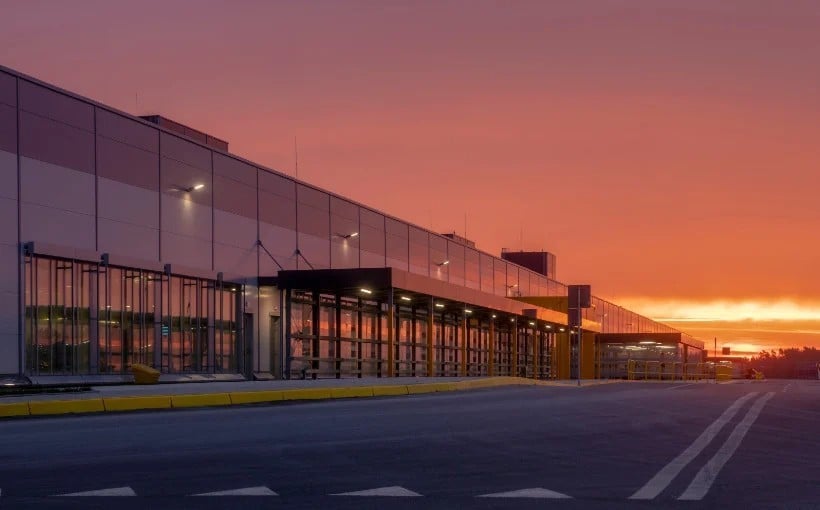
Large-scale warehouse leasing roared back in the second half of 2025, with new data from Cushman & Wakefield pointing to a renewed wave of big-box activity after a lull in 2023 and 2024. In its report titled Large-Format Deals Return, the firm highlights a marked increase in demand for warehouses larger than 500,000 square feet.
According to the research, leases for spaces exceeding 500,000 square feet climbed 32% year over year. Cushman & Wakefield notes that third-party logistics providers and manufacturers were the primary drivers of this resurgence, accounting for nearly two-thirds of all large-format leasing during the period covered by the report.
The acceleration in demand has translated into tighter fundamentals for the segment. The vacancy rate for big-box warehouses declined by 104 basis points year over year, underscoring how quickly new leasing has absorbed available inventory at the upper end of the size spectrum.
Jason Price, Americas head of logistics and industrial research at Cushman & Wakefield, said the data reflects a clear return of large-format users to the market. He observed that companies are consolidating operations, upgrading into higher-quality facilities, and taking a more strategic approach to how and where they deploy logistics and manufacturing space.
The report identifies a pronounced flight to quality, as occupiers seek modern warehouses with specifications that can support more efficient operations. That trend is helping to fuel additional build-to-suit activity, with tenants turning to customized development when existing options fall short of current operational needs.
For investors and landlords, the combination of rising demand and a constrained development pipeline is shaping the outlook. Cushman & Wakefield notes that the industrial construction pipeline is now near an eight-year low, and suggests that this limited new supply, when paired with reaccelerating large-format leasing, is expected to support improving occupancy across key distribution markets.
While the report focuses on broad national and sector-level dynamics, the findings collectively point to a big-box warehouse segment that has moved past its recent slowdown and is once again attracting significant attention from large logistics and manufacturing users.