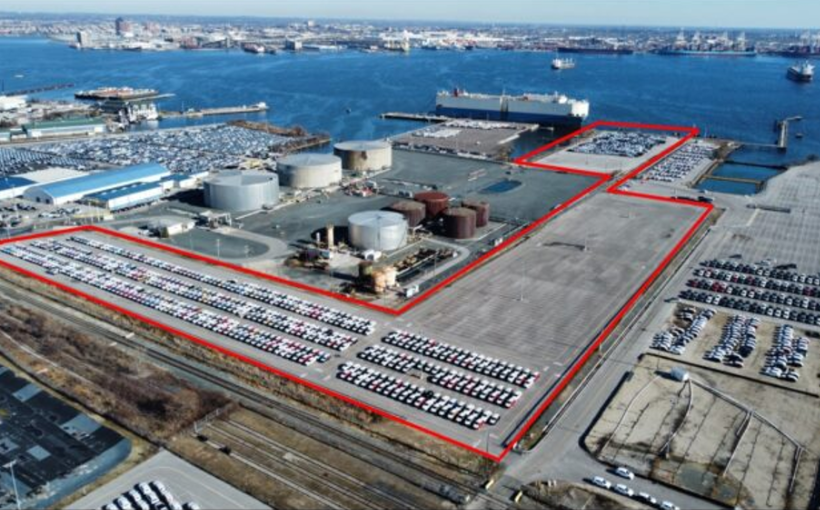
Miami-based Chesapeake Terminals has acquired a waterfront industrial property in Baltimore, with Gold and Company, LLC arranging the transaction. The income-producing site, located at 1935 and 1999 Chesapeake Ave. in the Fairfield Maritime Industrial District, spans a reported 16.5 acres and sits within the Port of Baltimore industrial corridor.
The property consists of two separate parcels that together form a fully improved industrial site. According to Gold and Company, the land is fully paved, fenced, and lighted, and it benefits from an existing bulkhead of approximately 400 feet, positioning the asset for continued port-related use. The purchase price was reported at $11.1 million.
Senior Vice President Jim Chivers and Vice President Will McCullough of Gold and Company brokered the sale. The firm, which focuses on commercial real estate in the Baltimore metropolitan area, handled the transaction between the unnamed seller and Chesapeake Terminals. No additional transaction terms or financing details were disclosed.
The property is currently subject to a long-term land and bollard lease with AMPORTS, a tenant active in the energy and automotive sectors. That lease structure provides ongoing income at the site and reflects its embedded role in the region’s port logistics and auto-processing ecosystem.
In a statement accompanying the announcement, Chivers noted that the sale highlights the long-term value of prime port real estate in Baltimore. He added that Gold and Company continues to observe strong investment interest and elevated transaction activity in the Fairfield Industrial District in South Baltimore, an area he described as heavily dominated by the auto processing industry.
The combination of waterfront access, existing bulkhead infrastructure, and an established logistics tenant under a long-term lease underscores the property’s position as a specialized industrial asset tied to port operations. While the seller and further financial metrics such as cap rate or yield were not disclosed, the transaction contributes to the ongoing flow of investment capital into Baltimore’s port-oriented industrial submarket.