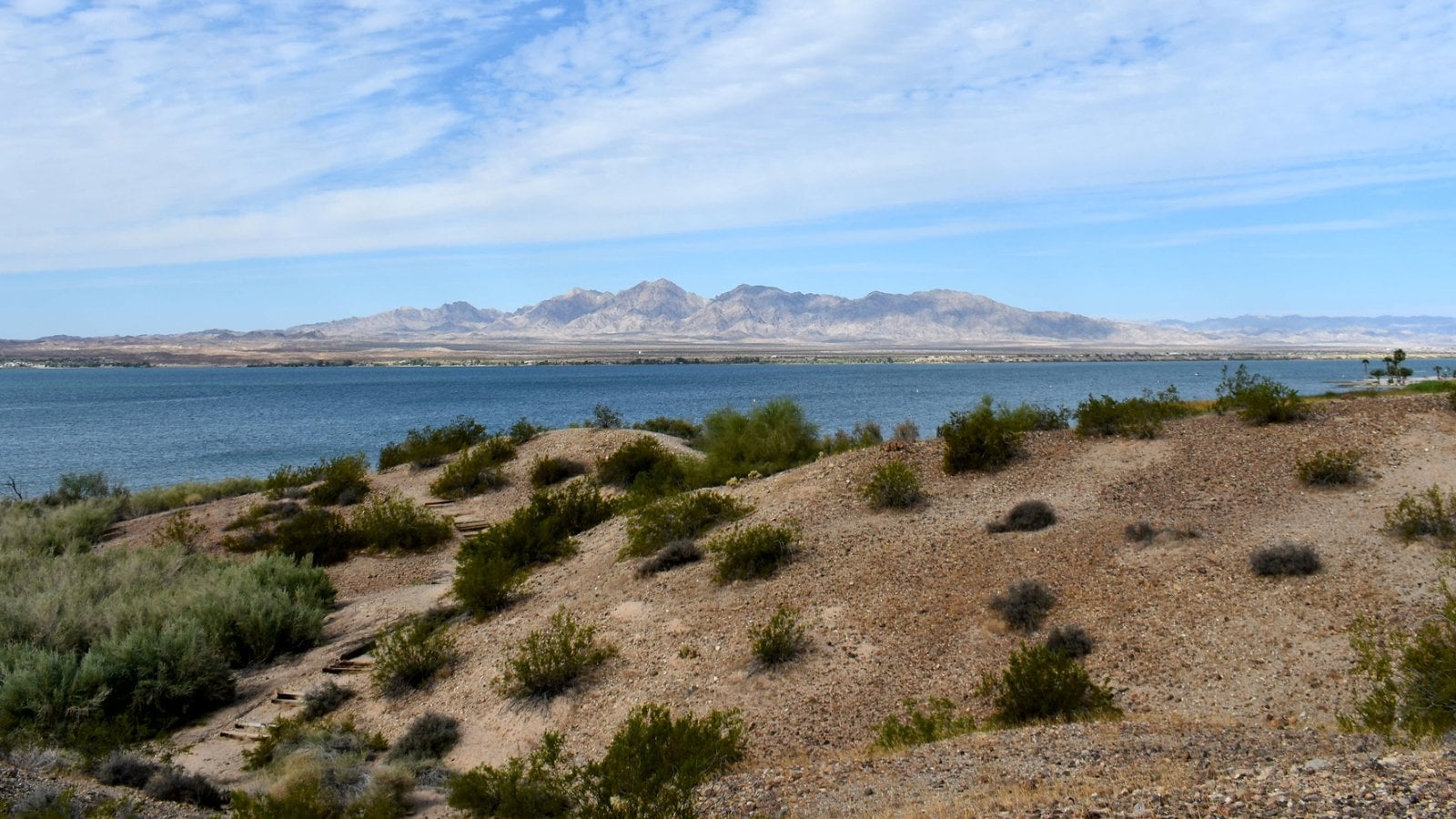
The Chemehuevi Indian Tribe has outlined a 50-year master plan to guide redevelopment of its 34,000-acre reservation along the California and Arizona border, aiming to create a long-term framework for housing, hospitality, commercial and recreational uses. Working with architecture and planning firm AO, the Tribe is positioning the California side of Lake Havasu for future investment while seeking to address longstanding community needs.
The reservation’s remote location has contributed to challenges around housing availability, job creation and transportation access for tribal members. The new plan sets out a phased roadmap to expand development opportunities, support economic growth and encourage tribal members to return to the community. At the same time, it seeks to enhance the reservation’s role as a destination for tourism, business and recreation by leveraging its Lake Havasu waterfront.
A central element of the master plan is a new town center that would concentrate mixed-use and commercial activity. The vision contemplates retail, civic and cultural spaces co-located in a core area, with space for tribal-owned enterprises and opportunities for outside commercial developers. This town center is intended to provide both daily services for residents and amenities that appeal to visitors.
Housing is another key focus, with the plan calling for a broader mix of residential options to support long-term population growth. Concepts include short-term rentals geared toward seasonal workers, dedicated tribal housing and permanent multigenerational residences. By diversifying housing types, the Tribe aims to better serve current members and future generations who may choose to relocate back to the reservation.
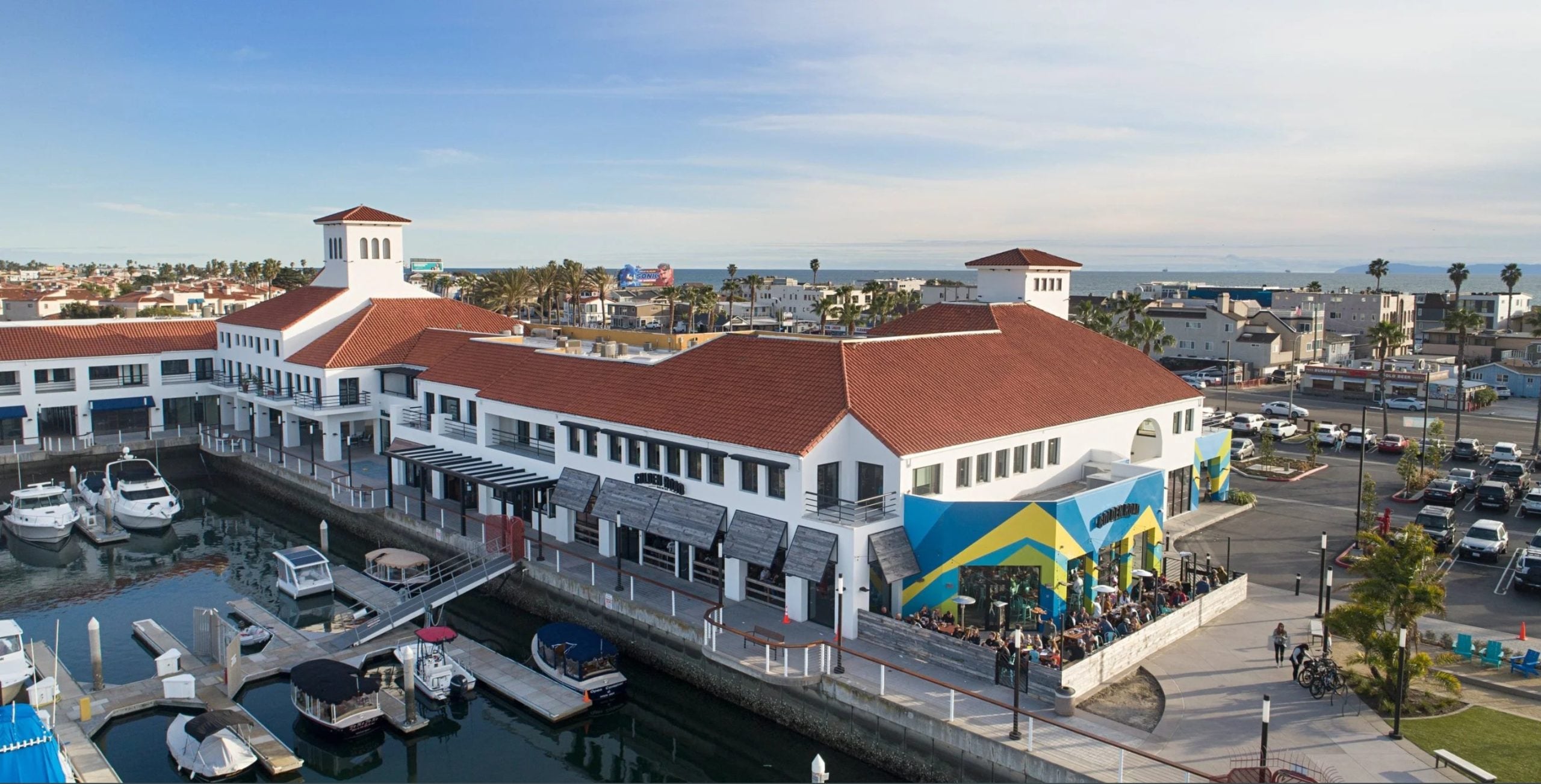
On the hospitality and tourism side, the master plan envisions new hotels, restaurants, marinas and recreational attractions along the California shoreline of Lake Havasu. These uses are intended to build on the area’s appeal as a water-oriented destination, drawing additional visitor traffic while creating jobs and new revenue streams.
Infrastructure and access improvements are also embedded in the long-range vision. The plan looks at new marina access points, roadway enhancements and an expansion of Chemehuevi Valley Airport to improve connectivity by land, water and air. These upgrades are framed as essential to supporting both community needs and future commercial activity.
Conservation and cultural priorities are woven throughout the strategy. The Tribe aims to preserve sacred sites and natural landscapes, while considering ways to restore agriculture and incorporate renewable energy into the reservation’s future land use. This balance of development and stewardship is intended to protect cultural heritage as the community grows.
Under the master plan, the Chemehuevi Indian Tribe would retain ownership of the land while making select parcels available for development via ground leases to outside commercial partners. Construction of the first project on the reservation under this long-term framework is anticipated to begin in 2027, marking the initial implementation phase of the 50-year vision.