Shopping center owners are increasingly reconsidering how they use small pockets of space, and automated retail is emerging as a flexible option that goes beyond traditional vending. Linda Johansen-James, founder and CEO of International Retail Group (IRG), told Connect CRE that when thoughtfully executed, automated formats can generate revenue, broaden a center’s brand mix and introduce new concepts to shoppers.
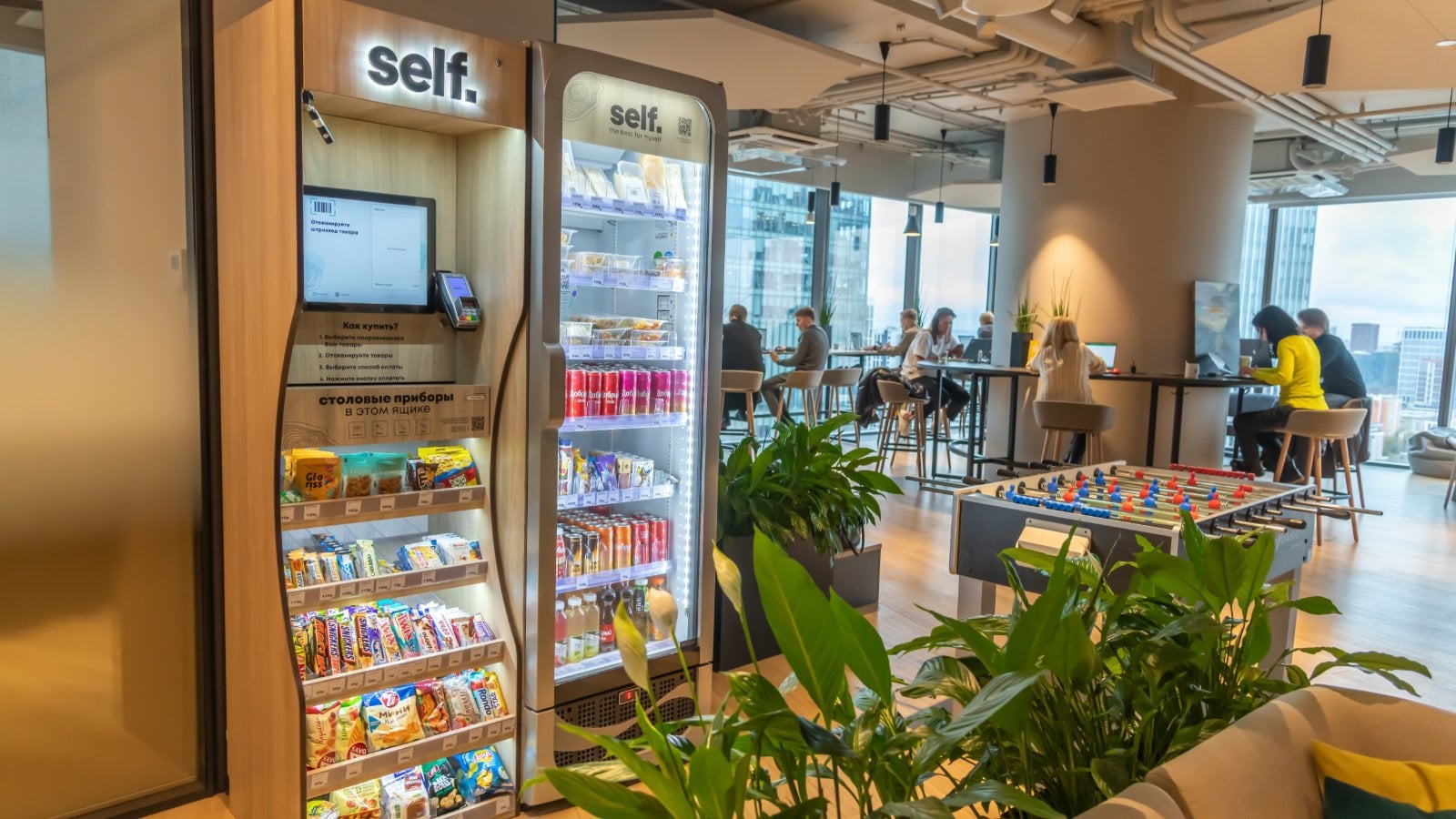
Johansen-James defines automated retail as a shopping experience delivered to consumers via technology rather than a live cashier. While the units may be unmanned, they are not unattended: people behind the scenes handle merchandising, restocking, maintenance and customer support. Done properly, this creates a curated retail presence that occupies a small footprint but operates like a store.
For specialty leasing teams, automated retail offers variety and agility. Johansen-James notes that operators can feature categories from beauty and electronics to collectibles and food, adjusting assortments as performance data comes in. Transaction and engagement data can reveal what shoppers are buying, which products they pass on and what information could have converted interest into a sale.
That same technology allows landlords to test new brands before committing to a full lease. With the right equipment, graphics and merchandising can be swapped relatively easily, while modular hardware enables changes to shelving, product mix and the customer interface. An automated retail wall can also activate an otherwise empty storefront, turning a visibly vacant space into a revenue-generating experience while ownership markets the space to a long-term tenant.
Johansen-James cautions, however, that automated retail is not simply upgraded vending. Location, visibility, access and an understanding of the customer are as important as they are for in-line tenants. She argues that units should be placed in high-traffic, well-lit areas near complementary retailers, food courts or busy entrances rather than in back corridors.
Operators must also have the capital and operations in place to keep the experience reliable and appealing. Clear agreements between owners and operators should spell out the approved location and footprint, merchandise parameters, utility needs, service expectations, insurance and removal obligations. Johansen-James is explicit that the landlord’s management office should not become the de facto customer service line if something goes wrong.
Marketing support matters as well. She encourages brands to list automated locations on their websites, use social media to highlight these points of sale and stage exclusive product drops to give shoppers a reason to return, which can benefit neighboring tenants by adding traffic.
Looking ahead, Johansen-James expects automated retail to be integrated into the early planning stages of shopping center developments and renovations. That means reserving strategic locations and designing for power, lighting, connectivity and pedestrian flow from the outset. Her broader vision is “retail without walls,” in which technology-enabled formats complement traditional stores by meeting customers where they are while still supporting a sense of human connection on the property.