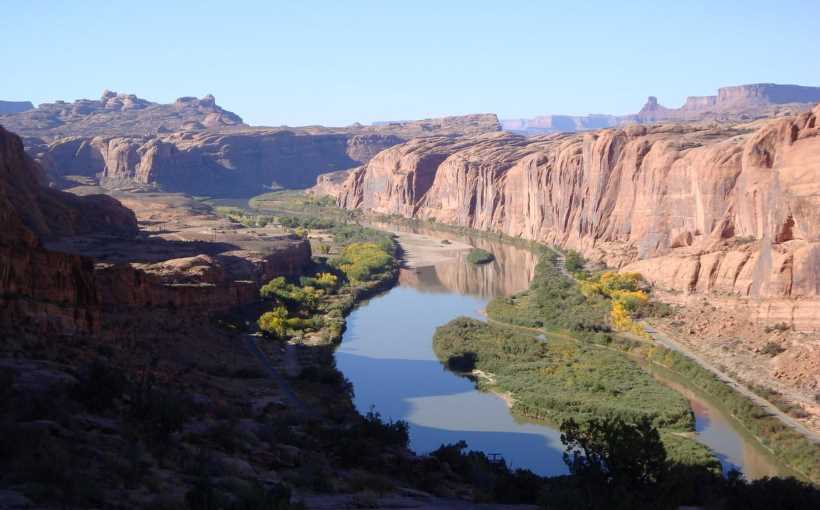
Apartment investors and homebuilders in the Phoenix area are getting clearer visibility on a critical underwriting variable: long-term water availability. Local business and economic development leaders are welcoming a new three-state agreement under which Arizona, California, and Nevada will proactively cut their use of Colorado River water.
The proposal, which calls for conserving more than 3.2 million acre-feet of additional water through 2028, is framed as a collaborative response to the prolonged drought affecting the Western U.S. By committing to meaningful reductions, the participating Lower Basin states aim to show that they remain focused on practical solutions rather than reactive measures.
For real estate stakeholders who depend on consistent water supplies to justify new multifamily and residential projects, the agreement is being viewed as a stabilizing step. The arrangement is described as a bridge that can buy time for the overall river system, giving policymakers and water managers room to pursue longer-term strategies while shoring up current conditions at key reservoirs.
According to the announcement, the three states are targeting immediate impacts on the health of Lake Mead and Lake Powell, two of the most important storage points on the Colorado River. By tightening usage now, the parties aim to support continued operations and maintain water service for the approximately 40 million people whose communities and regional economies depend on the system.
Within the package of conservation commitments, California has agreed to reduce its Colorado River usage by about 13%. Arizona and Nevada are highlighted for continuing what is characterized as a long-standing pattern of measurable conservation efforts designed to bolster the river's resilience. Collectively, these steps are intended to provide a margin of safety for both municipal and economic users across the Lower Basin.
For the Phoenix-area multifamily market and residential development sector, the signal is that regional leaders are working to address one of the most material climate and infrastructure risks facing growth projections. While this agreement does not eliminate long-run water challenges, it offers near-term reassurance that current residents and planned communities are less exposed to abrupt supply disruptions stemming from reservoir stress.
The focus on proactive conservation also underscores the importance of resource planning as a factor in market viability. As investors evaluate the sustainability of population and employment growth in the Desert Southwest, policies that prioritize predictable access to water can help support confidence in both existing assets and future pipeline projects tied to the Colorado River.