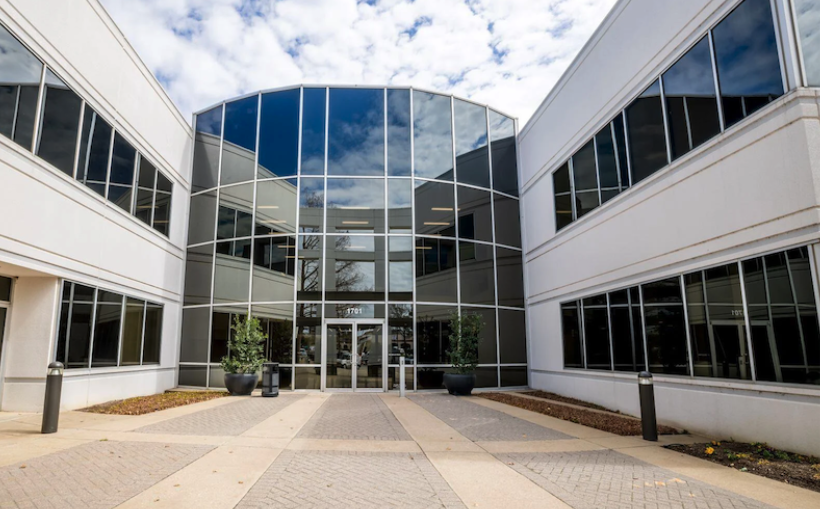
Amazon has transitioned from tenant to owner at the Chattahoochee Logistics Center in South Fulton, acquiring the large industrial facility it had previously leased. The company originally signed on as lessee in 2020 and has now purchased the property, which spans approximately 1.3 million square feet at the corner of Fulton Industrial Boulevard and Campbellton Road.
The acquisition covers roughly 153 acres, giving Amazon control over both the existing building and the larger logistics site. According to the reported transaction details, the company paid $129.8 million to acquire the property. Walton Street Capital, which previously held the asset, served as the seller in the deal.
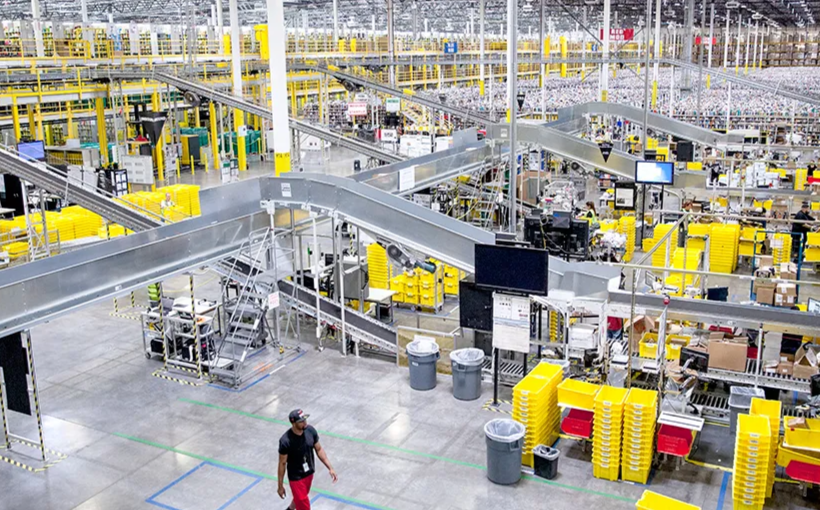
Local reporting indicates that Amazon received preliminary approval from Fulton County for a tax incentive package to support the transaction and planned improvements. The approval covers an estimated $16 million in tax breaks spread over 10 years. These incentives are intended to facilitate both the purchase and a future renovation of the facility, with the building expected to be repositioned as a first-mile fulfillment center within Amazon’s broader logistics network.
The move aligns with Amazon’s ongoing efforts to optimize its distribution and fulfillment footprint, particularly in key logistics corridors. The property’s location along Fulton Industrial Boulevard and Campbellton Road positions it within an established industrial and distribution corridor, giving the company direct control over a significant node in its regional operations. Owning the building also provides Amazon with greater flexibility for capital investment and facility upgrades tied to its first-mile fulfillment strategy.
This transaction stands out against Amazon’s historical pattern of favoring leases over ownership for much of its logistics real estate. The company has traditionally occupied buildings developed by third parties, which then realized significant profits by selling stabilized, Amazon-leased assets to institutional investors. In this case, the dynamic is reversed, with Amazon acquiring a property from an institutional owner after initially entering as a tenant.
The combination of direct ownership, planned renovation into a first-mile fulfillment facility, and county-backed tax incentives underscores the strategic importance of this South Fulton location to Amazon’s supply chain. It also illustrates how public incentives and corporate real estate decisions can intersect in competitive logistics markets, particularly where large-format distribution and fulfillment assets play a central role in regional economic activity.