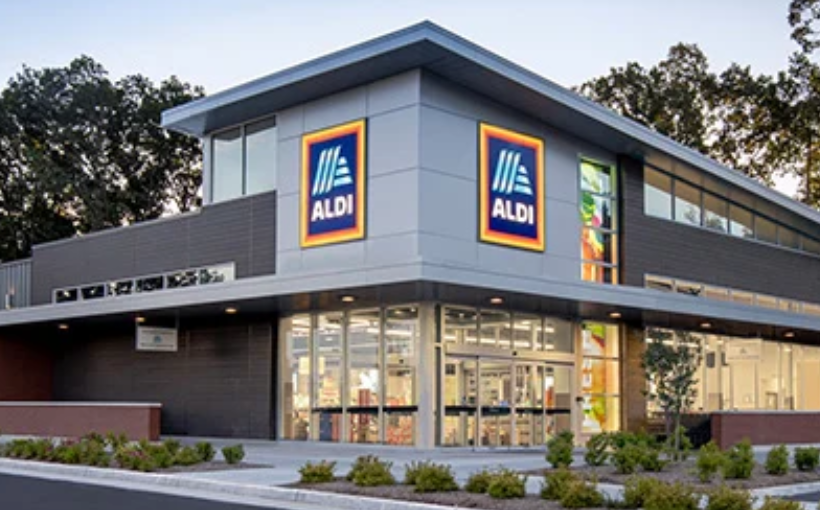
Aldi is preparing to enter the Colorado market with two new grocery stores planned for the Denver area, marking the first phase of a broader regional expansion strategy. The discount grocer, known for streamlined store formats and a no-frills shopping model, is moving ahead with locations in Denver’s Central Park neighborhood and in northeast Denver.
The first store is planned within a retail property in the Central Park neighborhood of Denver. According to reporting cited from the Denver Business Journal, the future store will be located at 9111 E. 40th Ave., at the southeast corner of Interstate 70 and Central Park Boulevard. Plans call for a 19,132-square-foot grocery store that will also offer beer and wine sales, positioning the location as a full-service neighborhood grocery option within an established retail setting.
A second Aldi store is proposed for a 2.37-acre site in northeast Denver, at the intersection of East 57th Avenue and Tower Road. Site plans describe a 19,957-square-foot store supported by 86 parking spaces, along with 4 additional accessible parking spaces incorporated into the development. The configuration underscores a conventional, auto-oriented suburban grocery format designed to serve surrounding residential and commuter traffic in the corridor.
These two planned stores are part of Aldi’s previously announced growth push in Colorado. In January, the grocer detailed its intention to open more than 50 stores across the Denver and Colorado Springs areas over the next two years. The Central Park and northeast Denver projects represent early steps in that rollout, signaling the brand’s commitment to establishing a footprint in multiple population centers within the state.
Aldi’s operating model emphasizes smaller footprints and an efficient, no-frills shopping experience, allowing the chain to focus on core grocery offerings and private-label products. By advancing these two Denver-area projects in tandem with a larger multiyear store plan, the company is aligning its growth strategy with continued demand for grocery-anchored retail locations that can serve dense neighborhoods and expanding suburban districts.