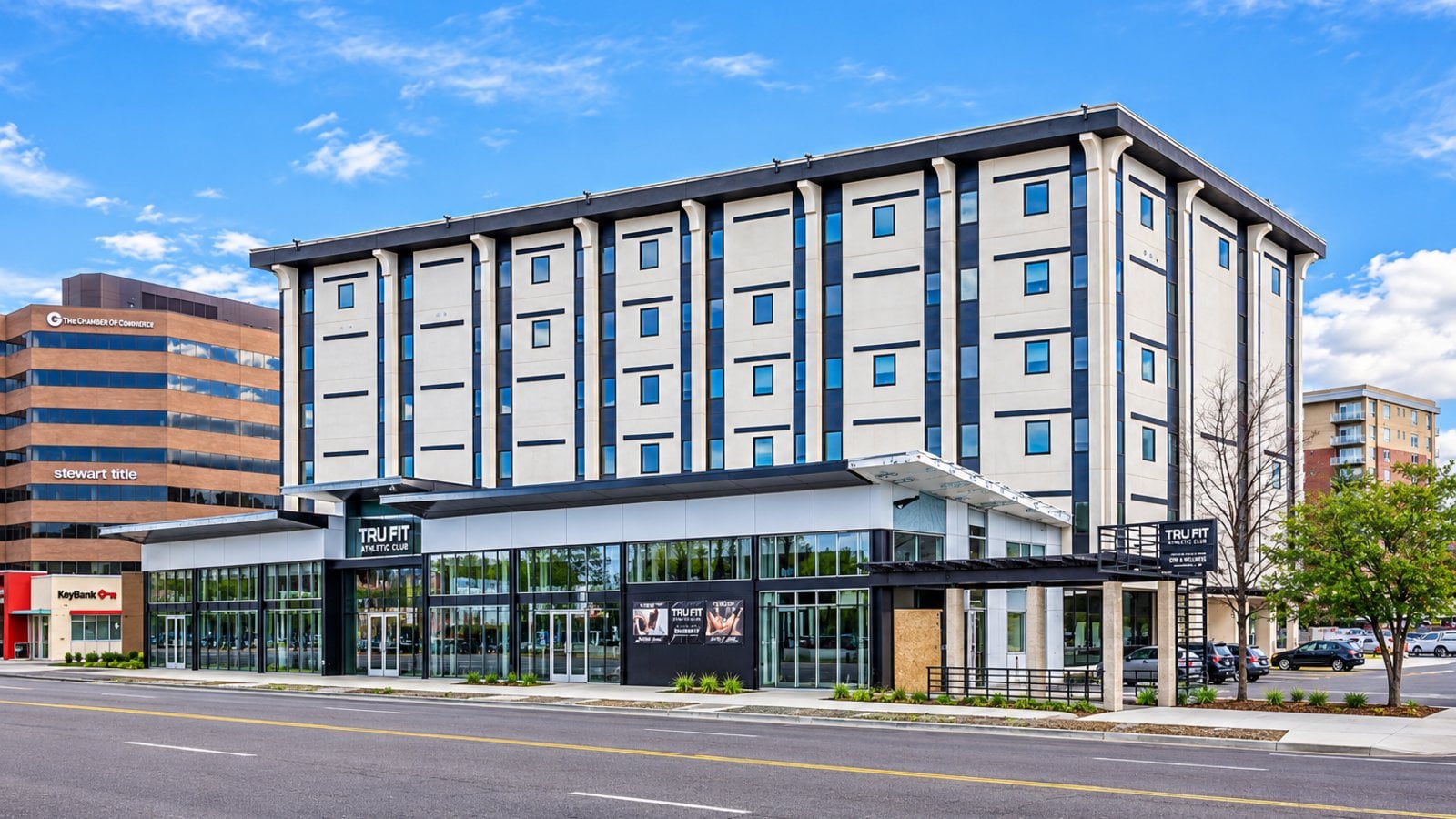
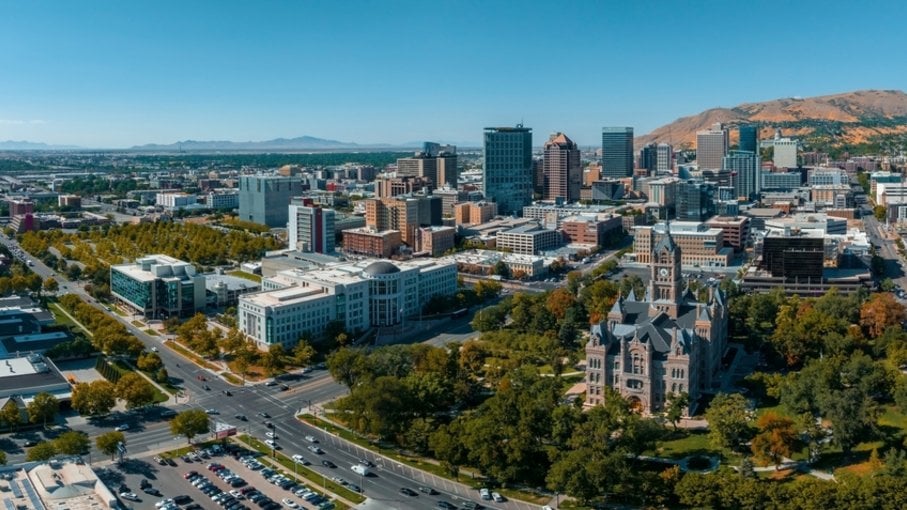
Salt Lake City’s office market is undergoing a notable shift as more space moves out of the competitive leasing pool and into long-term ownership by its occupiers. Research from Cushman & Wakefield indicates that since 2022, more than 2,500,000 square feet of office space has been removed from the market as public institutions, government entities and other owner-users have opted to purchase buildings rather than continue leasing them.
Over the past five years, these acquisitions have been concentrated among users with stable, long-term space needs. Public institutions account for approximately 685,000 square feet of purchases, government entities for about 845,000 square feet, and other owner-users for nearly 1,000,000 square feet, according to the report. Each of these categories represents occupiers that typically make long-duration commitments, effectively taking space out of circulation for years to come.
This pullback in leaseable inventory is occurring at the same time that new construction has come to a standstill. Cushman & Wakefield notes that 2026 did not see the delivery of any major office projects in Salt Lake City, and there is nothing in the current development pipeline. The firm characterizes this as the first time in the market’s history that there is no significant office product under development.
The implications for fundamentals are clear in the brokerage’s forecast. Overall office vacancy in the Salt Lake City market is projected to decline from 21.3% by the end of 2026 to 19.6% at year-end 2027 and 18.9% by the close of 2028. At the same time, average asking rents are expected to edge higher from $26.75 at year-end 2026 to $27.19 in 2027 and $27.43 in 2028, reflecting a gradually tightening balance between supply and demand.
Rebecca Lloyd, research manager at Cushman & Wakefield in Salt Lake City, attributes the move toward ownership to rising occupancy costs, long planning horizons and a desire for more strategic control over real estate decisions. She notes that public institutions and government organizations, in particular, are choosing to own so they can secure high-quality assets in desirable locations, create greater cost certainty and preserve operational flexibility while reducing exposure to swings in the leasing market.
Lloyd adds that the combination of accelerating owner-user purchases and a lack of new development is already reshaping competitive dynamics. With fewer options available, especially among large floor plates and well-located properties, competition for remaining leaseable space is intensifying, a trend that is expected to support further vacancy compression and rent growth.
Sales activity data supports the view that capital is actively targeting the Salt Lake City office sector, even amid broader market headwinds. Office transaction volumes in the metro have strengthened in recent years, with 2024 and 2026 registering the highest levels of sales over the past five-year period. Both years approached 1,000,000 square feet of deals, and 2026 has already outpaced 2024’s total, underscoring sustained investor and owner-user interest despite the lack of new construction.