Airports are evolving from pure transportation hubs into complex real estate ecosystems that can generate durable economic, social and financial value. A recent Cushman & Wakefield report frames airports as long-duration, capital-intensive assets whose landholdings often rank among the largest contiguous sites in their metro areas. This scale and strategic positioning create opportunities that extend far beyond airside operations and passenger processing.
The report emphasizes that value creation does not occur automatically. Airport owners need an integrated commercial real estate strategy that looks across the entire property, rather than treating each component as a standalone zone. By doing so, they can establish a framework for more informed investment decisions, stronger asset performance and sustained growth across the full airport footprint.
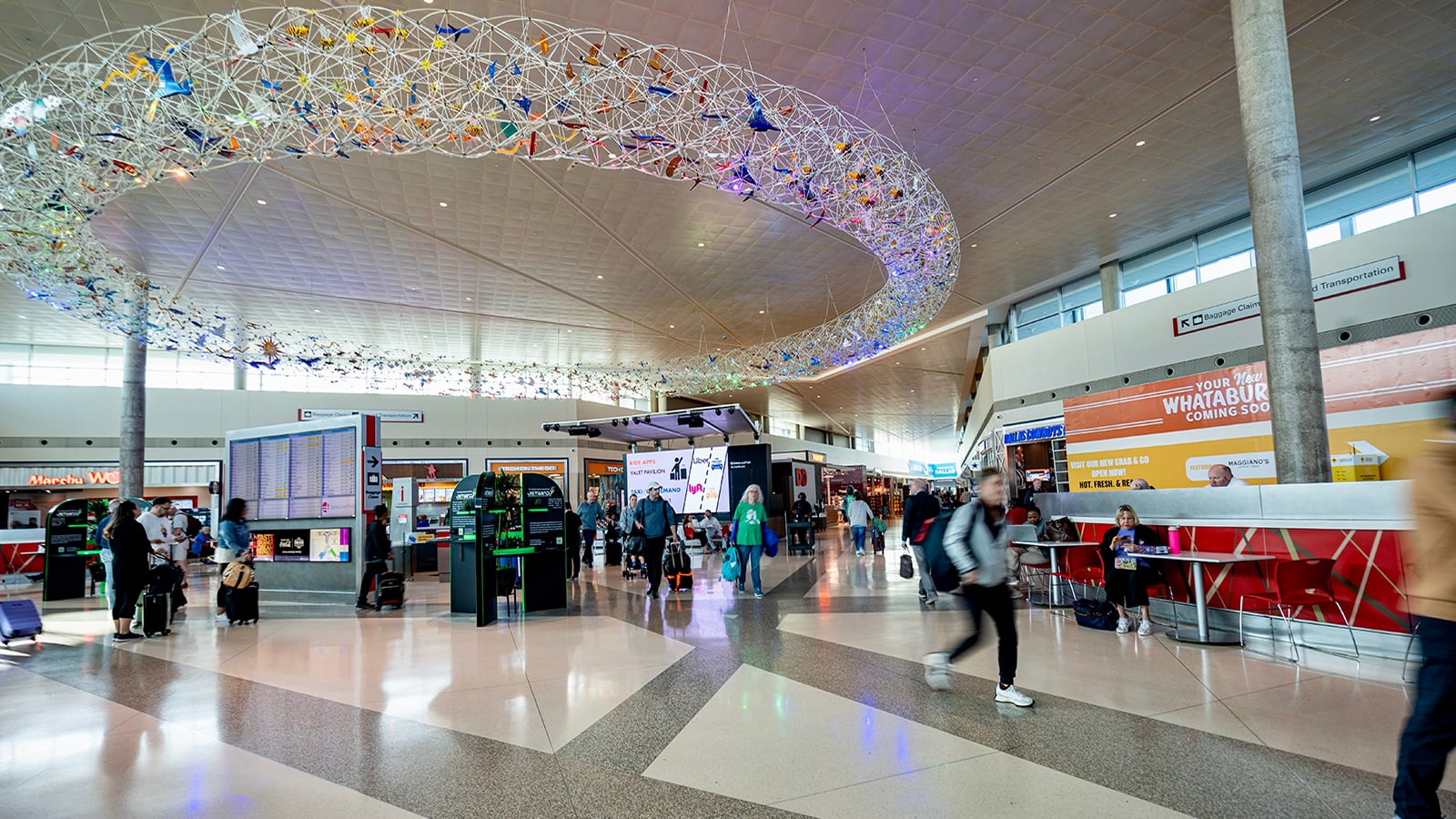
Within that framework, Cushman & Wakefield identifies three interconnected domains where real estate value is most actively shaped: in-terminal, airside and landside. In-terminal space has shifted from basic circulation and waiting areas to revenue-generating environments. Passenger dwell time has become a critical lever, as time saved at check-in, security and customs can translate into greater spending on retail, food and beverage, premium services and lounge access. The report notes that maximizing this opportunity requires meticulous planning and execution to reduce delays and control cost escalation in terminal projects.
On the airside, constrained secure-area land is subject to extensive safety, security and regulatory considerations. Despite these limitations, demand is growing for cargo facilities, maintenance, repair and overhaul space, and aviation-linked industrial uses. The report suggests that strategy in this zone should prioritize long-term operational scenarios shaped by cargo expansion, automation, evolving aircraft technology, sustainability requirements and regulatory change, rather than focusing solely on near-term revenue.
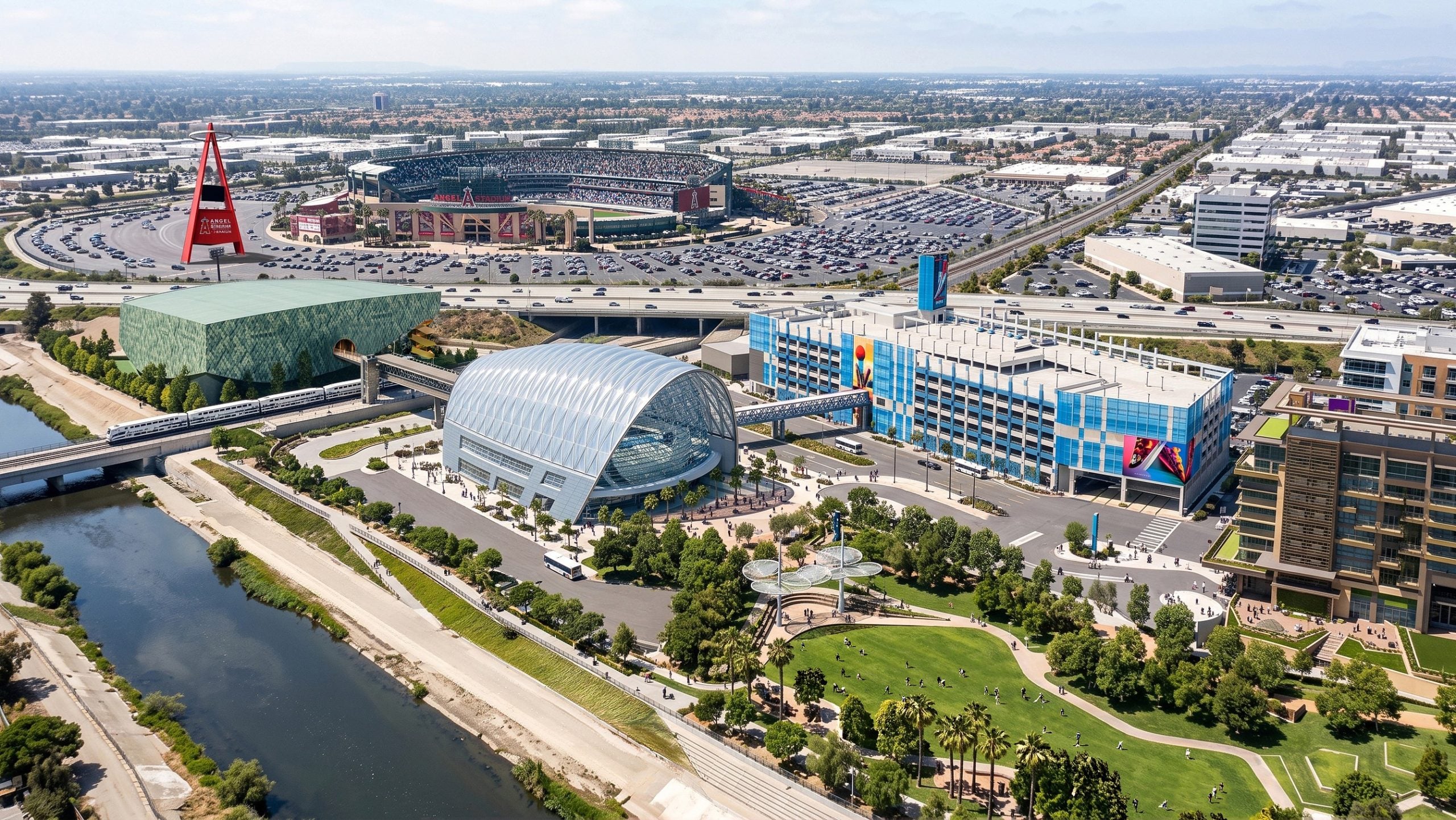
Landside areas, outside the secure perimeter, are characterized as anchors of urban and regional activity. Here, airport owners are encouraged to assess both current and future potential by examining target users, utilization mixes and the appropriate scale of development. Cushman & Wakefield highlights the importance of establishing a clear, placemaking-driven vision as the starting point for landside initiatives, recognizing that these districts can influence broader regional growth and investment patterns.
Across all three domains, the report argues that airports should be viewed as integrated real estate systems. Coordinated analysis, land development and asset optimization can help airport owners build resilient income streams and long-term land value. At the same time, such strategies can reduce operating friction for airlines, offer more predictable revenue for retailers and shape the competitive landscape for local authorities and adjacent landowners.