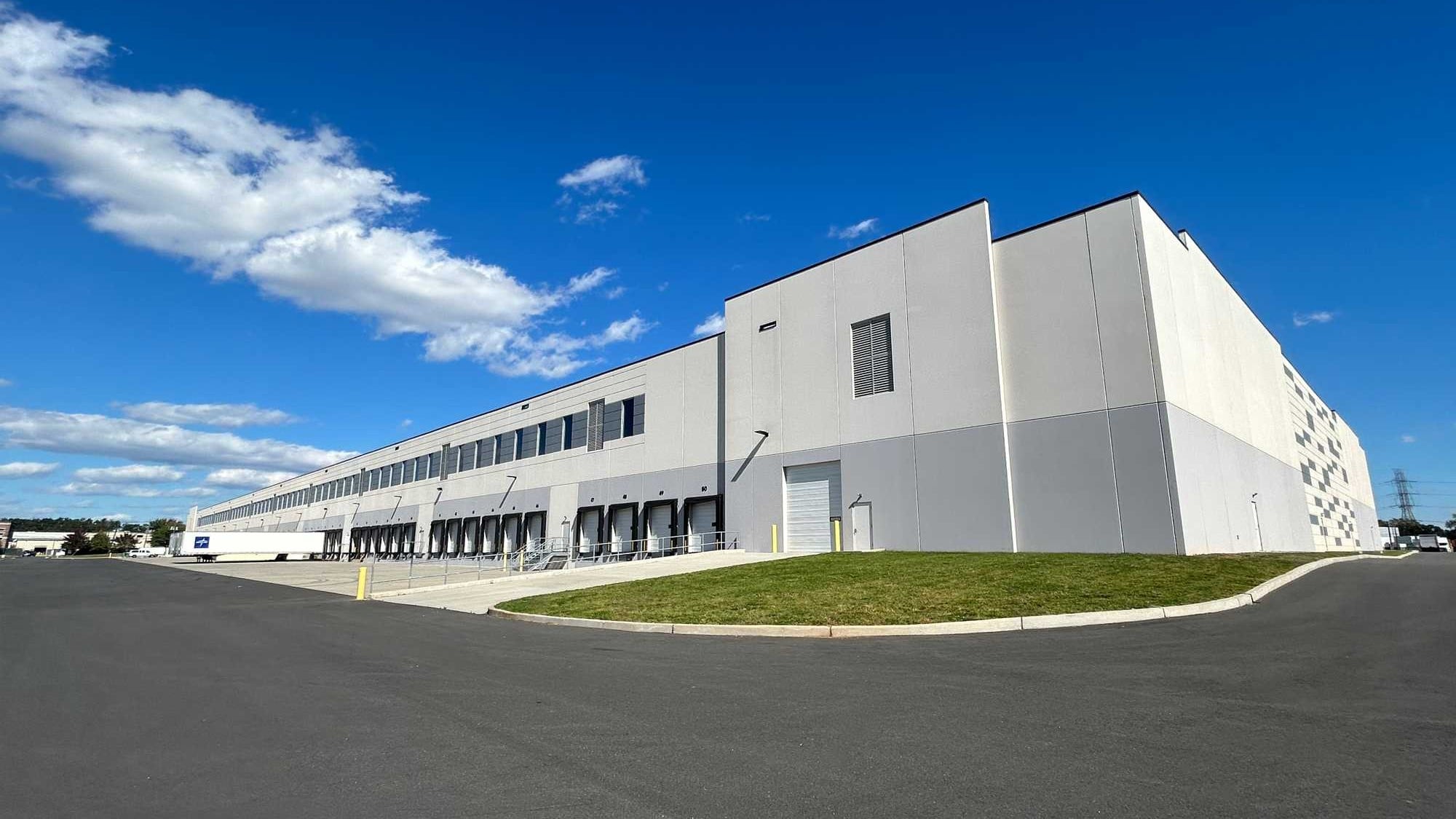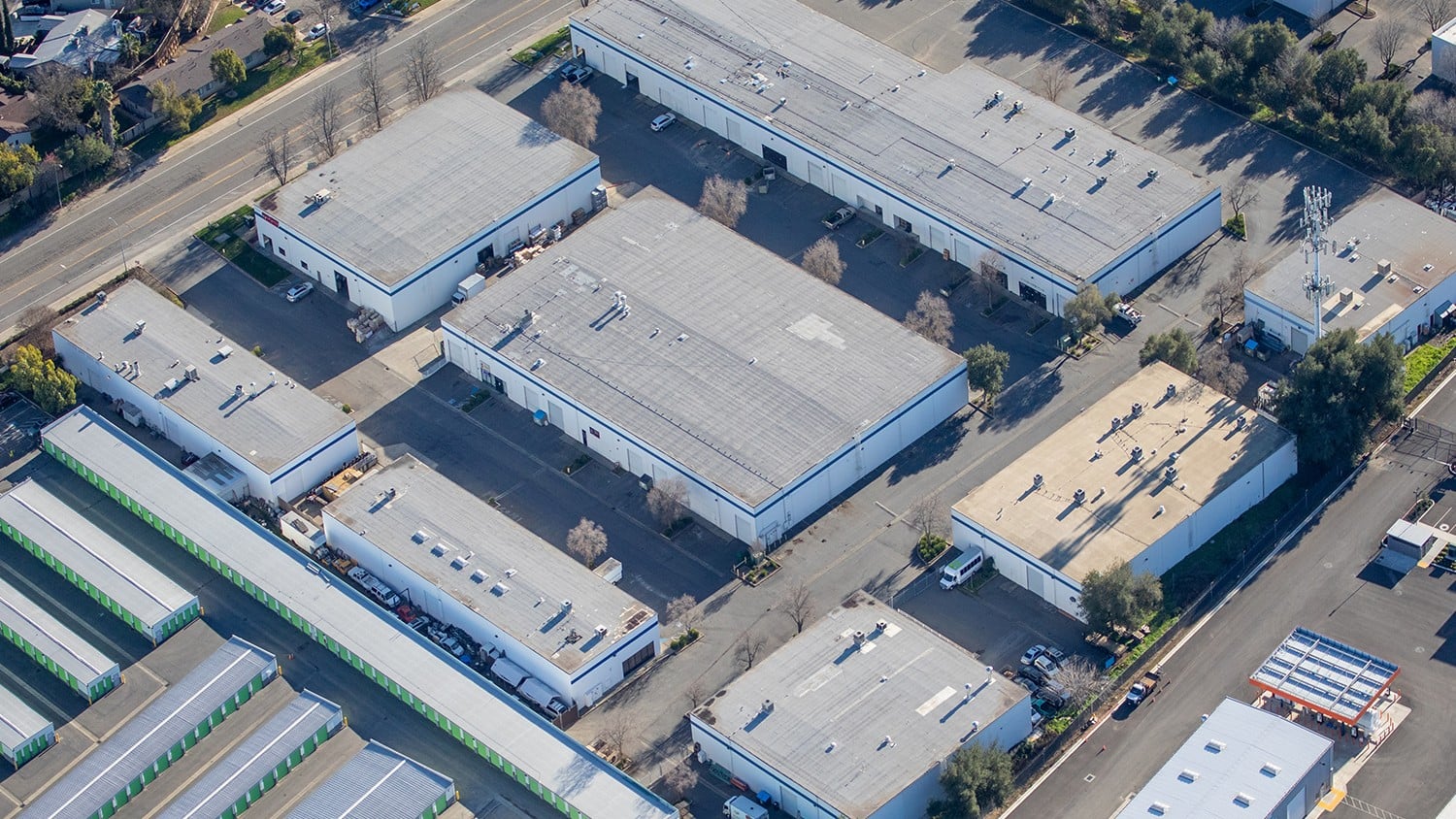
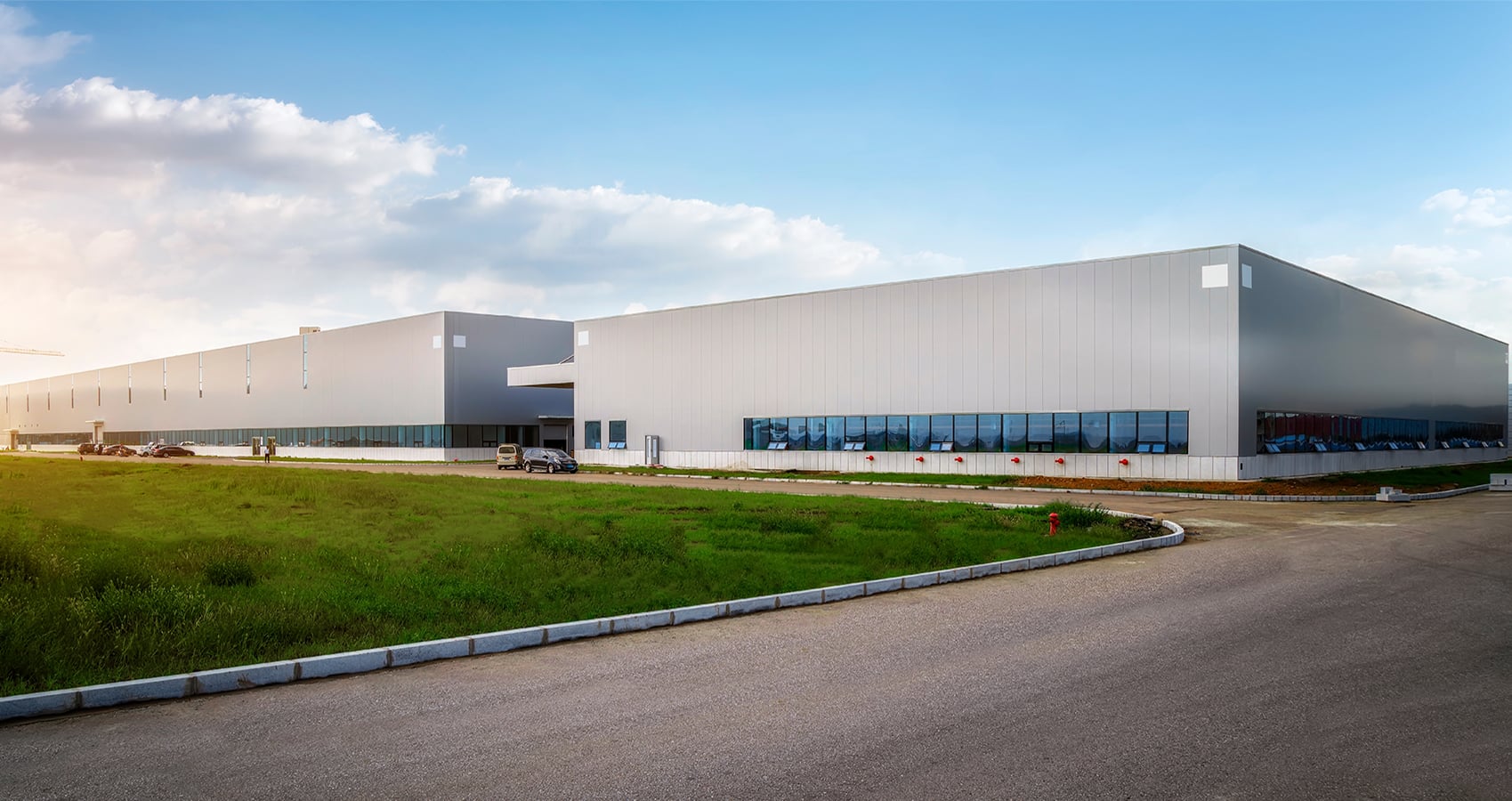
The U.S. industrial sector shifted away from recent oversupply concerns in the third quarter of 2026, with major brokerages reporting stronger occupier demand, firmer leasing and early signs of a pickup in development. Market analyses from CBRE, JLL, Colliers, Cushman & Wakefield and Plante Moran Realpoint provide a mixed but generally improving picture for logistics and industrial space.
Net absorption was a key bright spot, with several firms indicating multi-year highs. CBRE reported the strongest quarterly absorption since late 2022, while JLL noted that year-to-date absorption has already exceeded the full-year total for 2025, even though Q3 absorption eased from the prior quarter. Colliers and Cushman & Wakefield also tracked higher absorption, with inland markets accounting for the bulk of demand and port markets seeing renewed activity. Colliers highlighted the South and Midwest as regional leaders.
Demand is broadening beyond the newest product. Both CBRE and Cushman & Wakefield found that warehouses delivered between 2000 and 2019 are stabilizing or gaining occupancy. JLL observed that modest losses in Class B space are more consistent with a flight to quality than with tenants exiting the market.
Leasing indicators were similarly constructive. JLL posted its strongest quarter since 2022, and Cushman & Wakefield reported its best six-month leasing stretch in more than four years. CBRE said its leasing activity rose year over year, with the number of deals 700,000 square feet and larger nearly doubling. JLL also pointed out that many occupiers are expanding in place rather than relocating due to limited availability of large blocks, while Cushman & Wakefield reported that manufacturers represented more than one-quarter of its year-to-date leasing volume.
Vacancy trends were generally stable to improving. CBRE, Colliers and Cushman & Wakefield all cited national vacancy declines, with Colliers noting a second consecutive quarterly drop and JLL describing flat vacancy quarter over quarter. Larger warehouses saw some of the sharpest vacancy decreases, especially in several Midwestern markets, although Colliers noted that vacancy remains higher year over year in the Northeast and South.
On the supply side, four of the five firms reported that construction pipelines are expanding again, reaching their highest levels since 2024. JLL, Colliers and Cushman & Wakefield said build-to-suit and owner-user facilities now constitute roughly one-third of projects as major users seek customized buildings. Pre-leasing for speculative developments, however, remains limited in many areas. Rents are climbing faster, with JLL calling out the strongest growth since 2024 and Cushman & Wakefield noting three consecutive quarters of accelerating gains. Double-digit rent increases were reported in Dallas-Fort Worth and several Southern and Midwestern markets, while California, New Jersey and Miami saw softer advances.
Plante Moran Realpoint offered a more cautious interpretation. Using a trailing 12-month view and CoStar data, the firm said vacancy remains elevated and that abundant space is giving tenants more options. It found that leasing has slowed modestly over the past year and is tracking near pre-pandemic levels, with new supply still weighing on many markets. According to its analysis, large warehouse and distribution facilities have the highest space availability, while smaller industrial buildings remain well occupied due to limited new construction. Plante Moran also cited the slowest annual rent growth in more than a decade and a pullback in construction starts linked to higher costs and labor constraints.
Looking ahead, most brokerages expect further tightening into 2027, including modest vacancy declines led by high-growth inland markets, gradual rent growth acceleration and development focused in locations with strong leasing performance. At the same time, they warn that diesel costs, trade policy uncertainty, rate volatility and macroeconomic risks could temper momentum, and JLL noted that weak pre-leasing on new speculative projects may slow future vacancy compression.