New rental data highlights a split performance across the U.S. apartment market, with national asking rents still edging down while a handful of metros post meaningful gains. Realtor.com reported that September marked the 38th straight month of year-over-year rent declines at the national level, yet two distinct groups of markets are breaking from that trend: AI-driven Bay Area hubs and lower-cost metros benefiting from affordability-seeking migration.
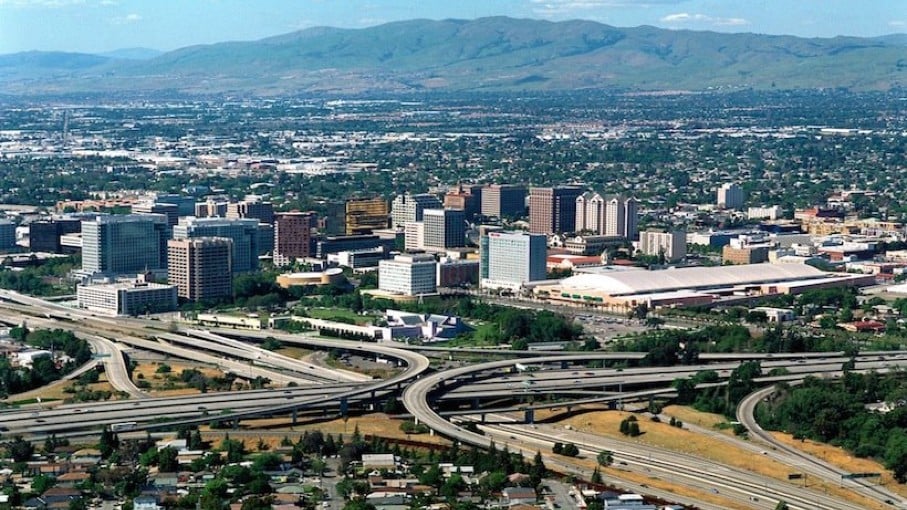
In the Bay Area, surging demand tied to the artificial intelligence sector is supporting the strongest rent growth in the country. San Jose is leading the advance, as young professionals attracted by AI-related job opportunities push up apartment demand. Median asking rent in San Jose climbed 6.0% year over year to reach a new high of $3,565 in September, underscoring renewed pricing power in that market.
San Francisco is also seeing solid rent momentum alongside San Jose. According to Realtor.com, median asking rent in San Francisco increased 4.8% year over year to $3,057. While that figure remains slightly below the metro’s summer 2022 pandemic-era peak, the gap has narrowed to just $48, indicating that rents are approaching prior highs even as national averages continue to soften.
Outside the Bay Area, rent performance is improving in a set of more affordable markets scattered across the Midwest, South and West. Realtor.com noted that metros including St. Louis, Minneapolis, Virginia Beach, Riverside and Las Vegas have moved from year-over-year rent declines back into positive territory. The shift suggests that renters are increasingly willing to relocate in search of lower housing costs relative to nearby high-priced cities.
Migration patterns from larger gateway markets are playing a visible role in some of these gains. Both St. Louis and Minneapolis have attracted renters from Chicago, according to Realtor.com. That inflow is helping to stabilize and lift rents in those metros even as more expensive regional anchors remain a source market for outbound demand.
At the national level, however, rents remain under modest downward pressure. The U.S. median asking rent in September fell 0.4% from a year earlier. While still negative, this is the smallest annual decline in three years, pointing to a gradual moderation in the pace of rent softening. The divergence between high-demand tech hubs, affordability-driven destinations and the broader national average underscores how local labor market dynamics and relative cost of living are shaping near-term multifamily rent trends.