Slatt Capital has arranged a $12,000,000 refinancing for Gene Autry Plaza, a multi-tenant retail property in Palm Springs. The center totals 60,629 square feet and was developed in 2009. The new financing was sourced from a life insurance company and structured as a permanent loan.
The financing package includes a five-year loan term paired with a 30-year amortization schedule. According to Slatt Capital, the structure is partial recourse, offering the lender some level of credit support while still providing long-term, fixed real estate financing to the borrowing entity. The lender was not disclosed, and the borrower was described only as an unnamed ownership group.
Michael Kaplan, president of Slatt Capital, led the assignment on behalf of the borrower. He was supported by colleague Andrew Friedeberg in arranging and closing the life company execution. Kaplan noted that Gene Autry Plaza aligns well with the underwriting priorities of institutional lenders, citing both the tenancy profile and the market characteristics.
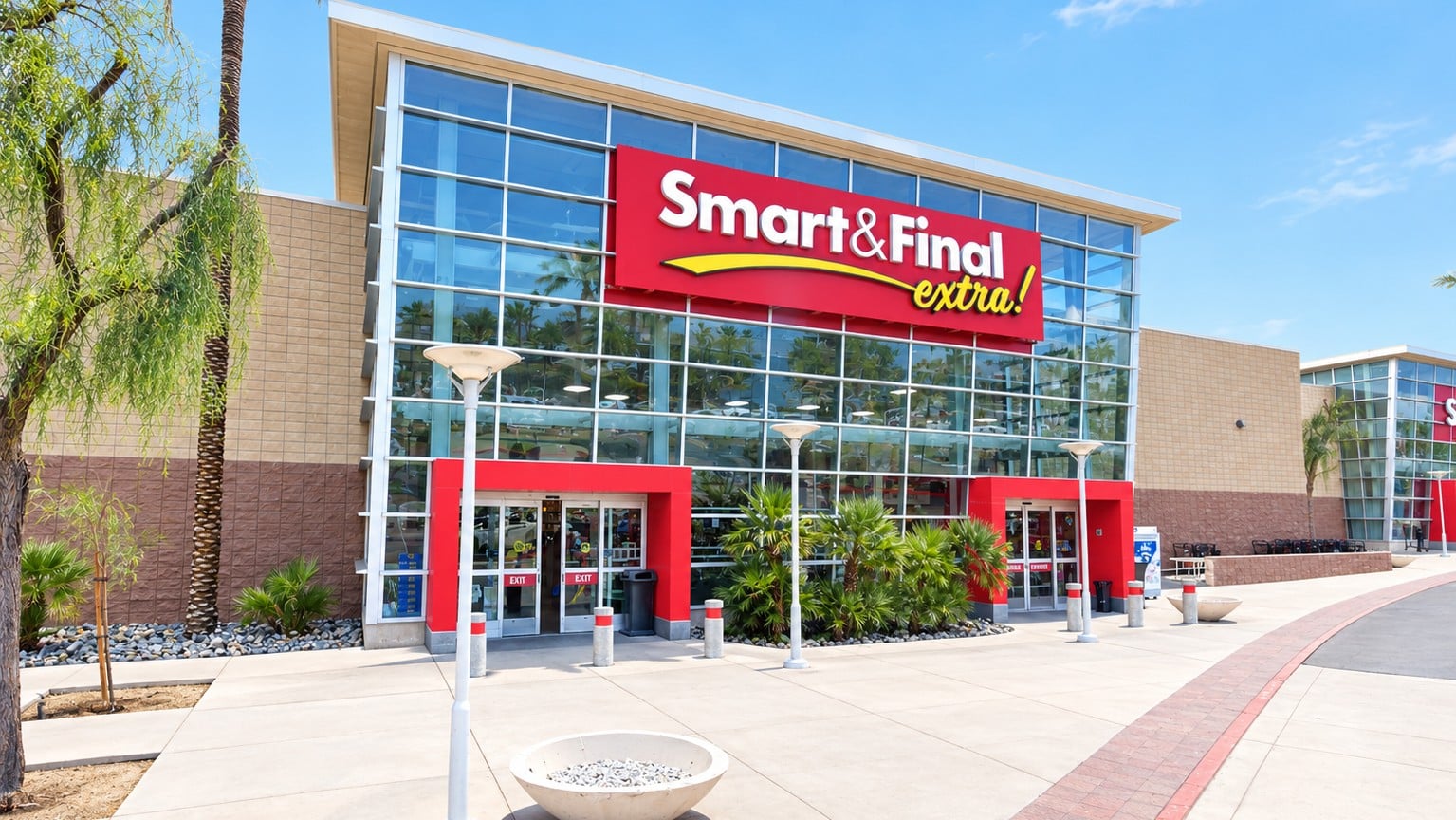
The property is described as grocery-anchored in an affluent trade area, with tenants oriented around daily needs. The roster includes operators in food, fitness, and health categories, which are positioned to generate consistent customer visits and recurring sales. This tenant mix is presented as a key component of the center’s income durability across different points in the economic cycle.
Kaplan also pointed to the center’s location next to Palm Springs Airport and within the Gene Autry Business District as additional drivers of lender interest. The proximity to an airport and established business activity provides an ongoing customer base for the retail mix and supports the long-term viability of the asset.
Property management services at Gene Autry Plaza are provided by Upland-based 1st Commercial Realty Group. The firm oversees day-to-day operations for the center on behalf of ownership. With the new life company loan in place, the ownership group has secured a fresh tranche of long-term, institutional debt capital for the asset, supported by its necessity-based retail orientation and location advantages.