Luxury retail leasing in the U.S. has shifted notably over the last two years, with brands signing for less space overall while sharpening their focus on where and how they occupy brick-and-mortar locations. According to JLL, luxury leasing activity in 2025 surpassed 500,000 square feet, with 277,000 square feet completed in the first half of that year. In contrast, during the first half of 2026, luxury retailers leased 123,334 square feet, indicating a slower pace of new store commitments.
Industry research points to strategic retrenchment rather than a wholesale pullback from physical retail. Deloitte’s Global Powers of Luxury report found that 39.3% of luxury executives are prioritizing network optimization, emphasizing a smaller number of higher-quality locations over a broader door count. This suggests that many brands are deliberately pruning and upgrading their store fleets, concentrating on placements that best support brand positioning and profitability.
JLL also notes that quarterly leasing data offers additional nuance. Luxury leasing has been uneven since 2023, with activity tending to spike in the second half of the year. Brands often time major openings to coincide with holiday shopping periods and to close out capital plans before the fiscal year ends, which can make first-half figures appear softer even in otherwise active years.
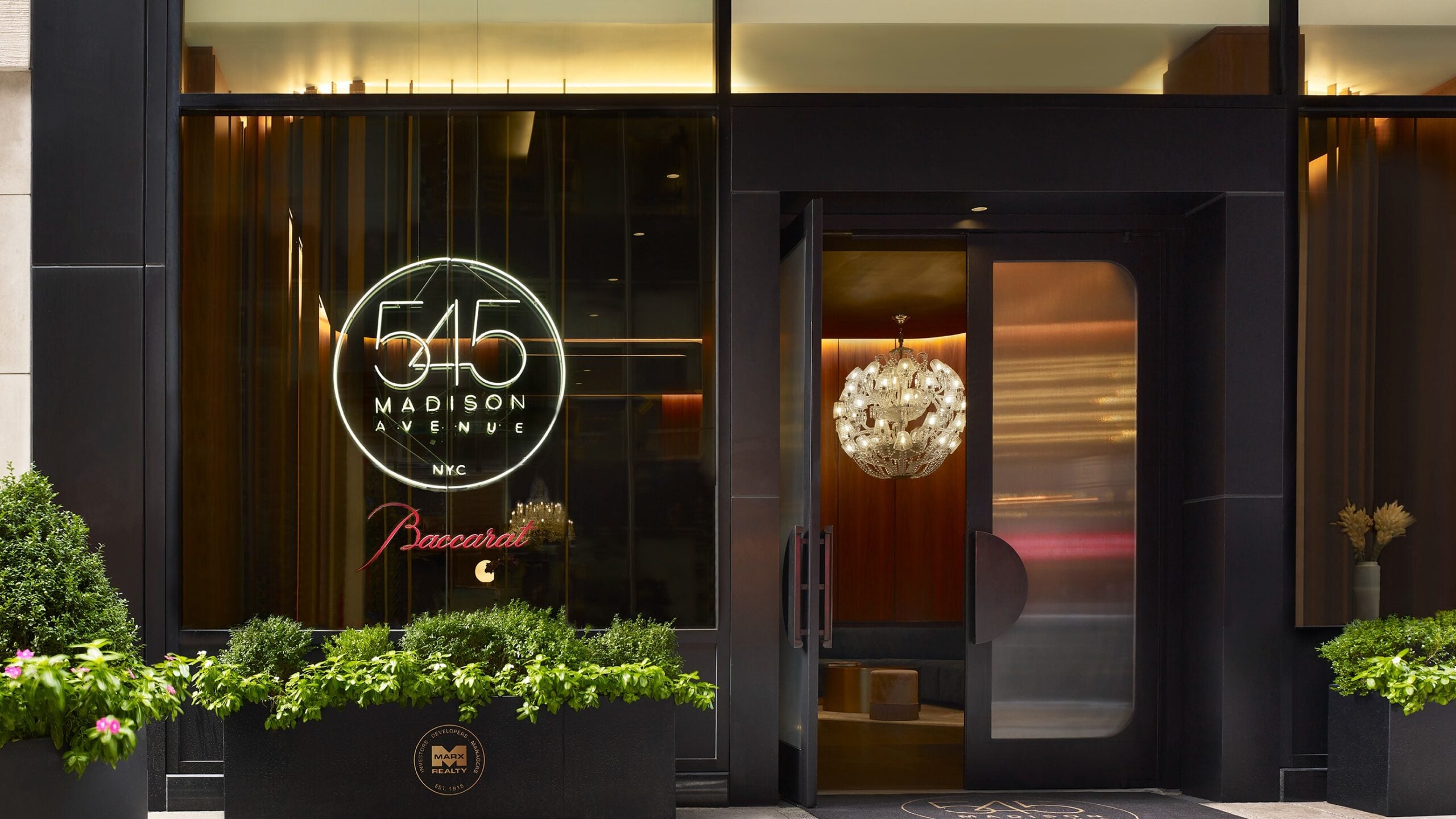
Location quality is a central theme in recent openings. JLL reports that three of five U.S. stores larger than 10,000 square feet opened on street-front locations in New York and Los Angeles, and that prime shopping corridors captured 30 of 45 street retail openings. Rather than expanding across secondary streets, brands are clustering on a limited set of high-profile addresses where visibility, foot traffic and co-tenancy are strongest.
Store size distribution further underscores the shift toward more compact footprints. Nearly half of all recorded openings, or 48.4%, were under 2,500 square feet. Another 29.5% of openings fell between 2,500 and 5,000 square feet, while 16.8% were in the 5,000 to 10,000 square foot range. Only 5.3% of new luxury stores exceeded 10,000 square feet, illustrating how large-format locations have become the exception rather than the rule.
At the same time, some of the largest and most prominent stores are evolving into experiential destinations. New flagship locations are increasingly incorporating cafés, dining rooms, gallery and exhibition areas, and flexible zones that can host traveling pop-ups and installations. These added uses call for additional square footage and specialized infrastructure beyond traditional sales floors.
JLL concludes that corridors and shopping centers able to meet these more complex flagship requirements are best positioned to secure major luxury tenants. Properties that cannot accommodate expanded experiential concepts are more likely to compete for the smaller, more compact store formats that now account for the majority of new luxury retail openings.