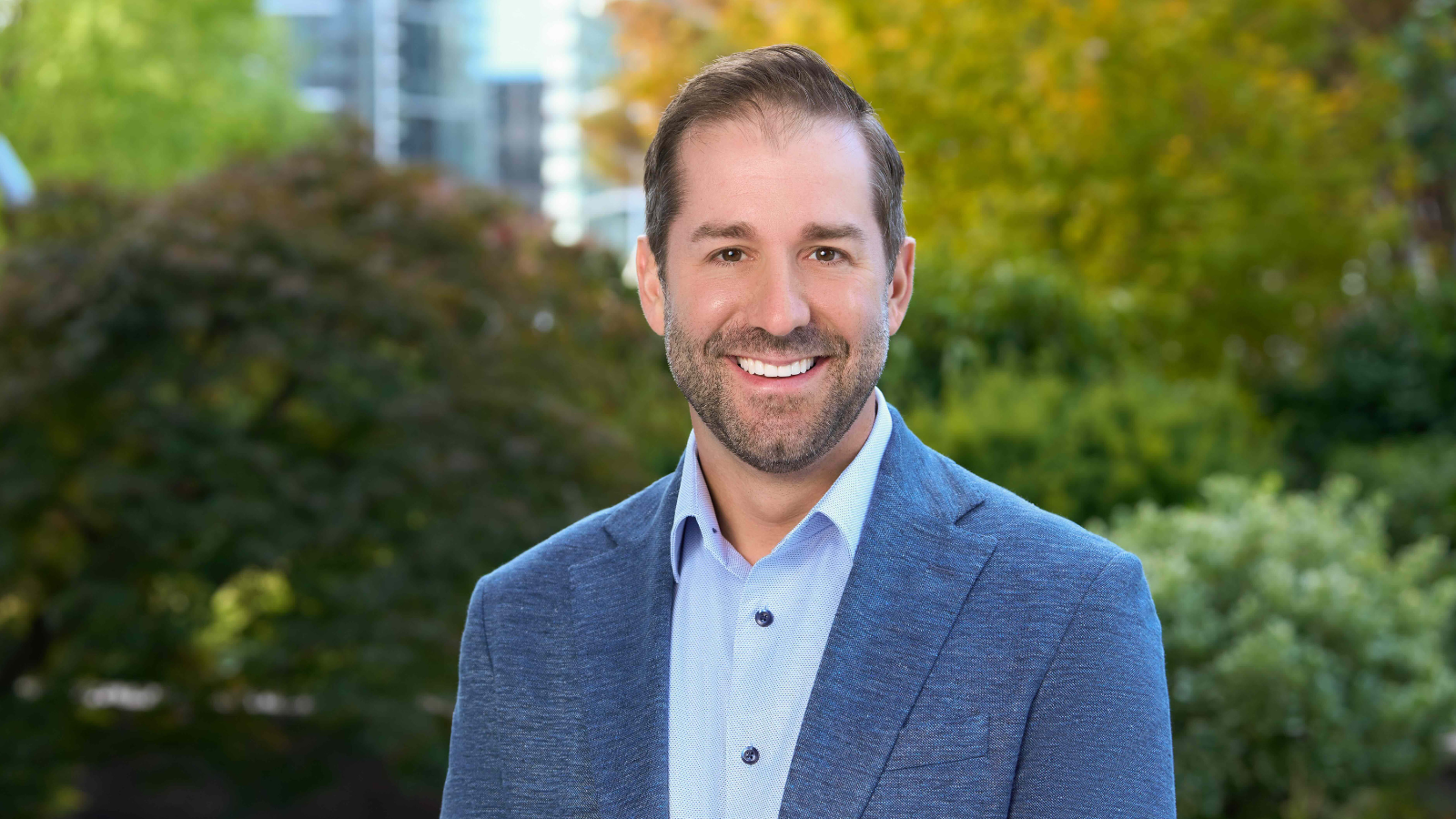
HITT Contracting, a national contractor with 16 U.S. offices, has been active in California for more than two decades and now operates offices in Los Angeles, Santa Clara, and San Francisco. Executive vice president Trevor Coffey, who oversees the West Coast and Southwest regions, says the firm sees its early involvement in design as a key differentiator as project demands in the state grow more complex.
Coffey notes that California, and particularly Southern California, has become increasingly important in the aerospace, defense technology, hard-tech, and advanced manufacturing ecosystem. He points to the region’s existing talent base, strong military presence, and rising capital investment as major drivers. By midyear 2026, funding into defense tech, aerospace, and hard tech had already exceeded the more than $9 billion raised in 2025.
In the South Bay of Los Angeles, including Hawthorne, El Segundo, Torrance, and Long Beach, startups and established players continue to cluster. Coffey highlights El Segundo’s business-friendly tax policies and streamlined permitting, and he cites Anduril’s forthcoming large development in Long Beach alongside its Costa Mesa campus as examples of the ecosystem’s momentum. Activity around SpaceX, Northrop Grumman, NASA’s Jet Propulsion Laboratory, and the Space Systems Command at Los Angeles Air Force Base further reinforces the area’s pull, while federal demand linked to the Golden Dome initiative and increased Space Force activity adds another layer of support.
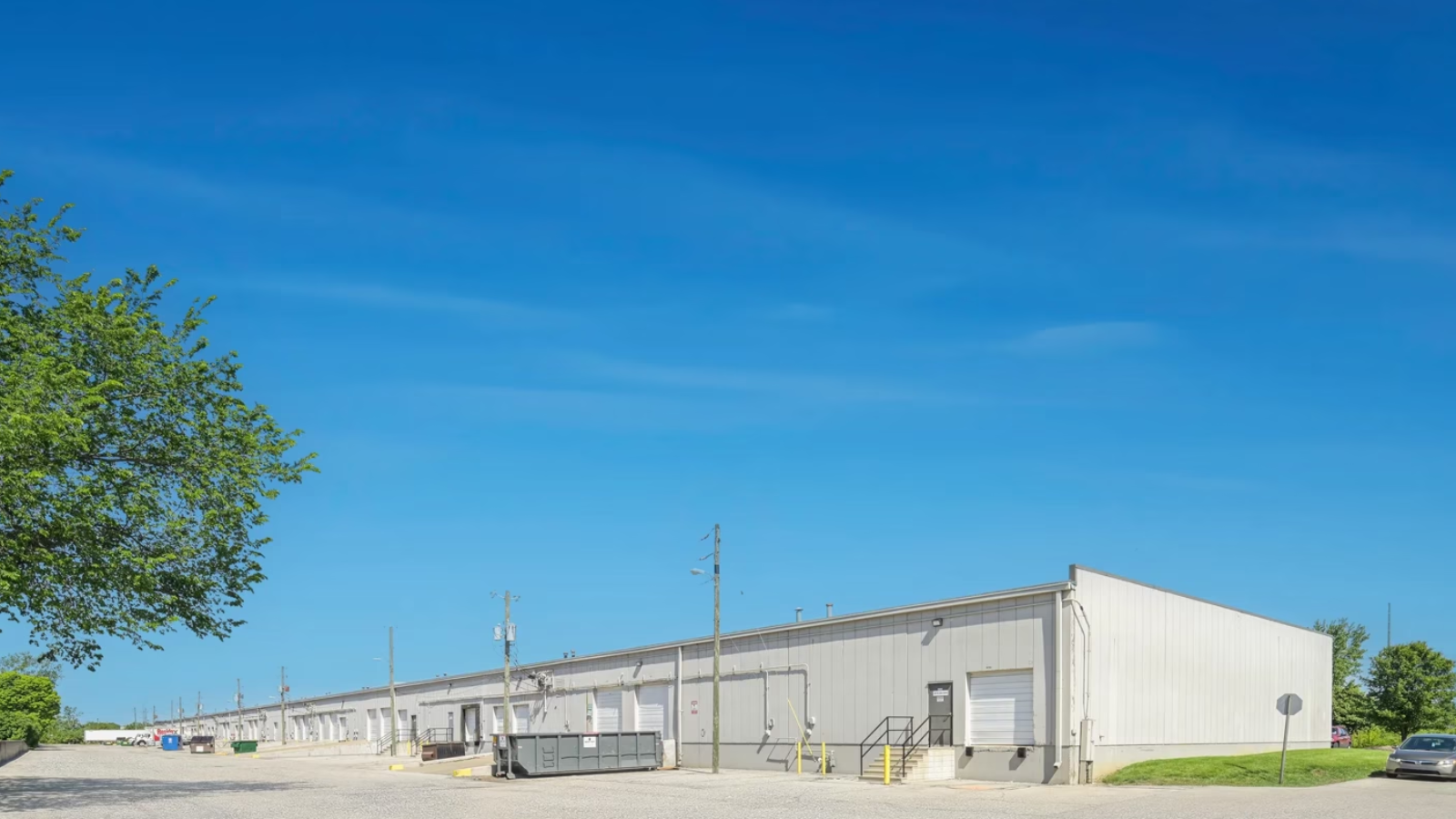
Coffey says Southern California’s long-standing base of large industrial and logistics facilities near the Ports of Los Angeles and Long Beach gives the market a supply of big-box buildings, but customization limits and long ground-up timelines mean many users must adapt existing space. That dynamic makes speed-to-market, careful site selection, and strategic planning central to projects.
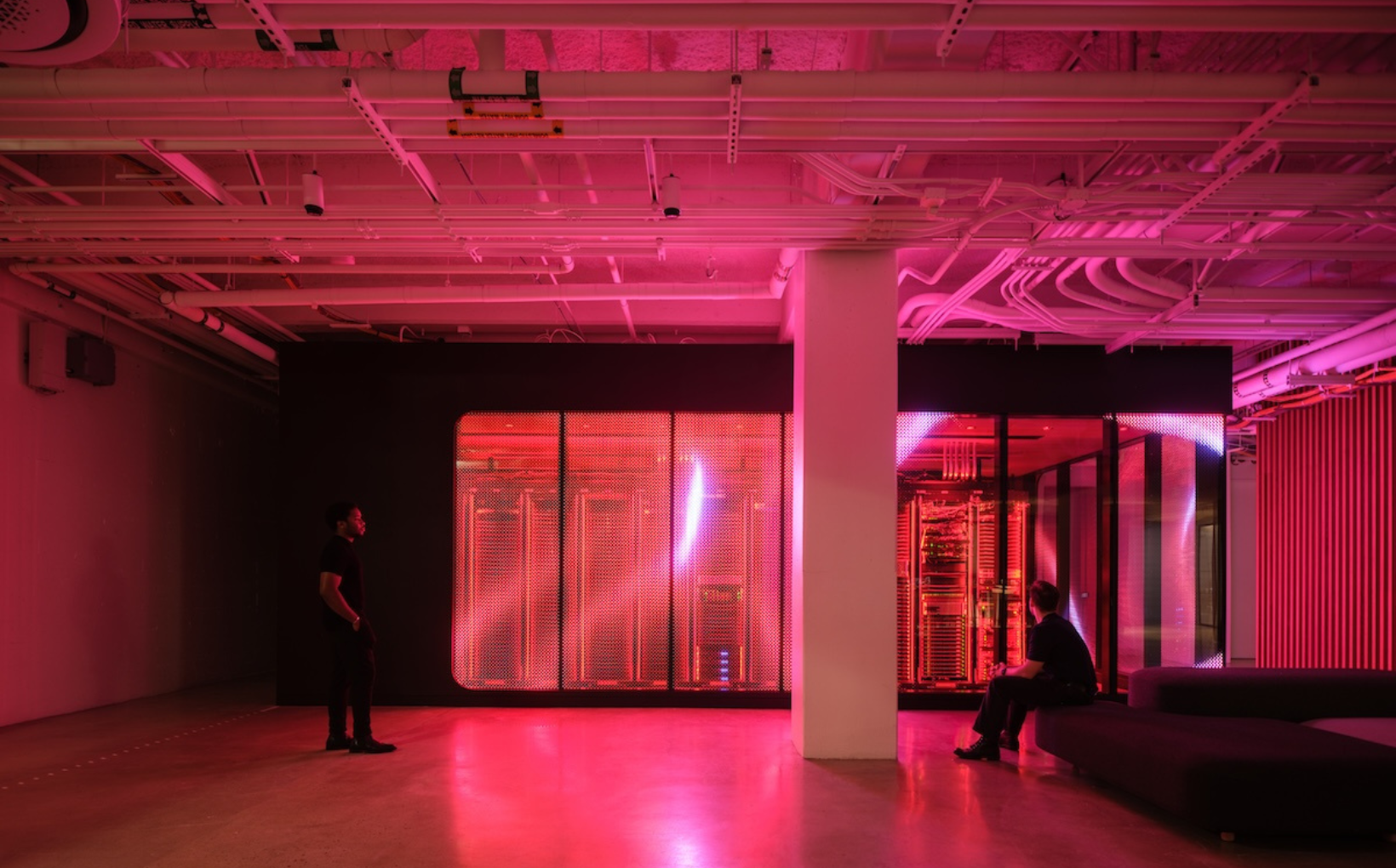
As demand grows for advanced manufacturing space and mission critical facilities like data centers, Coffey observes that each advanced manufacturing project can have a unique product, process, equipment package, and supply chain, with increased emphasis on domestic fabrication. HITT seeks to differentiate itself through technical competency, the ability to anticipate issues early, and access to a national network of specialized trade partners and suppliers. He notes that advanced manufacturing facilities typically require higher power capacity, more engineer-dense office components, specialized equipment such as environmental chambers and large additive manufacturing machines, and more secure perimeters and separated parking, especially for classified work.
Safety, Coffey adds, becomes especially critical where projects involve chemicals, gases, rare earth materials, or specialized processes. He emphasizes that managing these risks must be embedded in the entire project team’s daily practices rather than handled solely by a safety department.
On complex assignments, Coffey says that delays in key decisions can quietly ripple through schedules and budgets. HITT prioritizes early engagement, design-build delivery with partners such as NVIDIA, delegated authority thresholds, and tracking tools like client input logs and trend logs to keep critical decisions visible. The company closely monitors funding cycles and leans on procurement-led scheduling, prefabrication, and repeatable design to reduce on-site decision pressure.
Power infrastructure and site readiness, Coffey notes, increasingly shape both site selection and facility design. He sees more projects treating these as parallel processes and more interest in alternative energy, microgrids, and on-site generation. As an example, he cites Microsoft’s Alviso data center, where on-site generation is incorporated to meet backup power requirements and work around utility constraints.
To sustain delivery capacity, HITT is investing heavily in workforce development. Its HITT Futures entry-level program, launched in 2005, now includes more than 300 participants, who start in the field and work with site-operations sponsors for at least 12 months. Coffey, a Futures graduate himself, underscores the value of learning on active jobsites. He also points to HITT University and cohort-based learning that mix team members from across departments, as well as annual seminars for California site-operations leaders, as ways to drive knowledge transfer. Amid industrywide labor shortages, Coffey says the firm’s focus is on creating a culture and career path that retain the next generation of builders and leaders.