New research indicates that the long-awaited recovery in the U.S. office sector is beginning to take shape, but in a notably uneven fashion. Marcus & Millichap reports that office absorption has turned positive, national vacancy is edging down, and investment activity is tracking close to pre-pandemic norms, signaling that the worst of the pullback may be behind the sector.
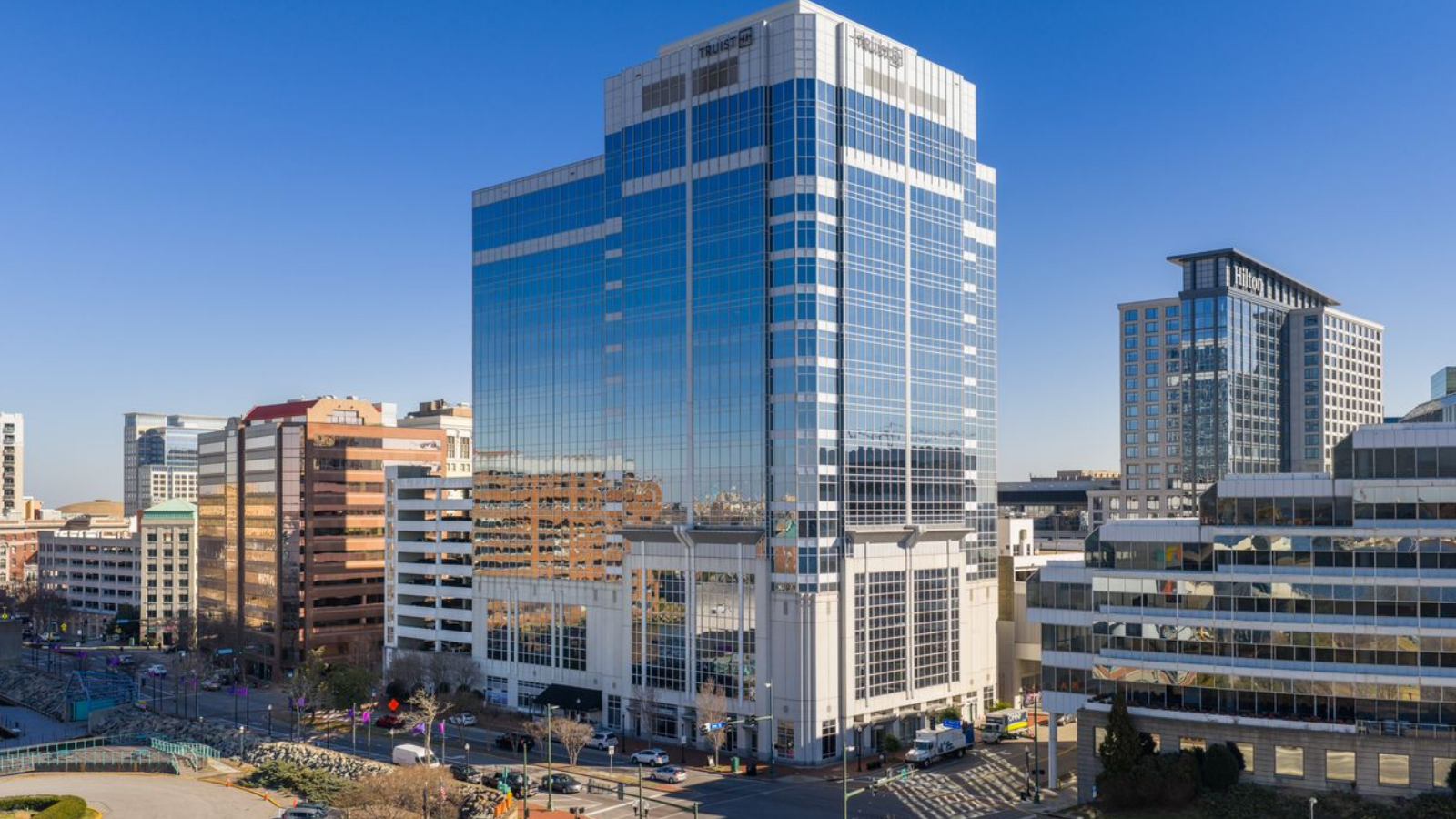
The firm notes, however, that performance is sharply divided by asset quality. Older office properties are still wrestling with elevated vacancies, while newer, high-end buildings are generally reporting full or near-full occupancy and achieving healthy rent growth. This contrast underscores how tenant demand is concentrating in modern, amenitized space, leaving many legacy buildings struggling to keep pace.
Marcus & Millichap characterizes the environment as a fragmented recovery, with office attendance and utilization on an upward trajectory but not yet translating into consistent gains across the entire inventory. As more companies execute return-to-office strategies and refine space needs, incremental demand is expected to support further occupancy improvement, particularly in the best-located and highest-quality properties.
At the same time, the current landscape is presenting potential opportunities for investors willing to underwrite more complex business plans. The report highlights that distressed office assets continue to sell at substantial discounts, opening the door for redevelopment, repositioning, and operational turnarounds where investors have the expertise and risk tolerance to execute.
Stable cap rates have helped sustain a steady pace of trading, but valuation spreads remain wide across quality tiers. Premier, well-leased buildings are maintaining pricing power, while challenged assets are repricing to clear the market. These gaps reflect differing expectations around lease-up risk, capital expenditure requirements, and long-term competitiveness.
Looking ahead, Marcus & Millichap suggests that near-term office performance will hinge on the durability of the return-to-office momentum, as increased utilization drives space demand and underpins further gains in occupancy. Yet the firm emphasizes that investment strategies will need to be highly targeted, with rigorous asset-level analysis and hands-on execution capabilities, especially for value-add and repositioning plays.
For market participants, the emerging theme is a bifurcated office landscape: a cohort of newer, premier properties benefiting from solid fundamentals, and a sizable pool of older buildings that may require significant capital and strategic repositioning to remain competitive.